Mustard: Nutritional Profile, Bioactive Glucosinolates, and an Authentic Homemade Artisan Recipe

| Diets Premium Expert Alicja Kowalska | min read 3 min | Scientifically reviewed by a clinical dietitian 23.10.2026 |
Smart Voice
•Listen to the article content live
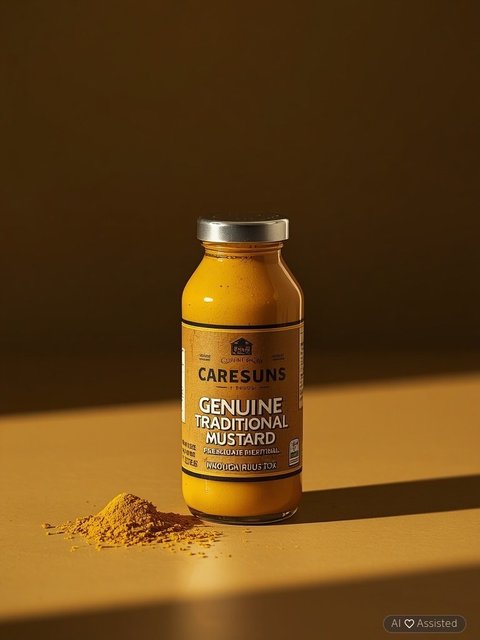
Mustard is one of the most venerable and biologically active condiments in culinary history. Produced from crushed mustard seeds (white, black, or brown cultivars) blended with vinegar, water, and aromatics, it unites sharp organoleptic bite with potent health properties. Rich in glucosinolates, allyl isothiocyanate, and polyphenols, it stimulates gastric acid secretion, aids bile flow, and possesses antimicrobial actions. This guide explores the nutritional science of mustard and provides a traditional artisanal recipe free of industrial additives.
Want to apply these guidelines in your daily diet?
Our smart diet generator creates a tailored meal plan in 3 minutes based on the recommendations in this article.
Mustard – Botanical Heritage, Seed Varieties, and Culinary Craft
All authentic mustards rely on seeds from the Brassicaceae botanical family: milder yellow/white mustard (Sinapis alba) versus pungent black (Brassica nigra) and brown/Indian mustard (Brassica juncea). Pungency is absent in dry whole seeds; it triggers only upon aqueous hydration, when the enzyme myrosinase hydrolyzes glucosinolates into volatile pungent isothiocyanates.
Health Benefits – Digestive Secretion and Antimicrobial Action
Regular dietary consumption of traditional mustard delivers notable physiological advantages:
- Digestive catalyst: Pungent glucosinolates stimulate salivary, gastric, and biliary secretions, facilitating breakdown of dietary proteins and heavy fats.
- Antimicrobial potency: Allyl isothiocyanate exerts bacteriostatic effects against enteric pathogens including E. coli and H. pylori.
- Anti-inflammatory synergy: Phenolic antioxidants from brassica seeds, reinforced by natural turmeric coloring, counter cellular inflammation.
Is Mustard Healthy? Nutritional Evaluation and Homemade Recipe
Pure artisanal mustards (Dijon, whole-grain, spicy brown) are exceptionally low in calories (approx. 10–15 kcal per tablespoon), free of added fats, and rich in selenium and magnesium. However, commercial honey or sweet barbecue variations often hide substantial sucrose or glucose-fructose syrup additions.
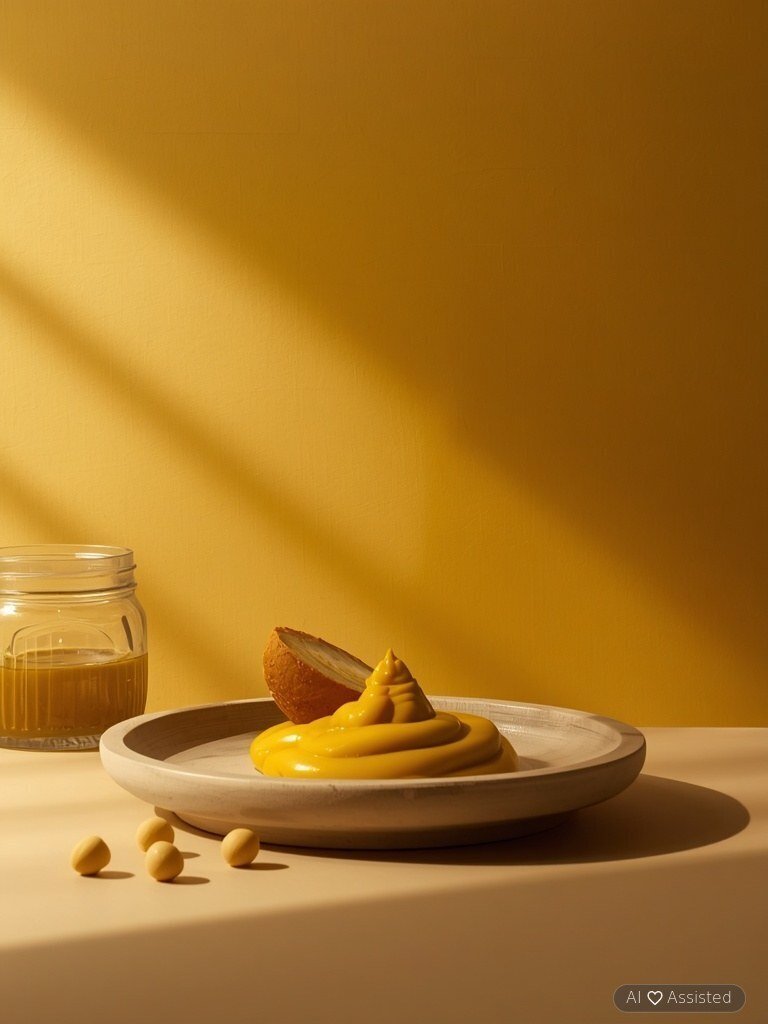
Artisanal Homemade Mustard Recipe: 50 g mustard seeds (equal blend of yellow and brown), 50 ml raw apple cider vinegar, 50 ml water, 1/2 tsp unrefined sea salt, 1/3 tsp ground turmeric. Soak seeds in liquids for 24 hours until plump, blend to preferred coarse or smooth texture, and cure in glass jars for 48 hours in the refrigerator.
Tags

Alicja Kowalska
✓Diets Premium Expert
Diets Premium team expert. Specializes in nutrition plans, strength sports, and training plans.
View Profile →