Pork carcass: Anatomical breakdown of primal cuts, nutritional composition, and culinary applications

| Diets Premium Expert Felix Weber | min read 3 min | Scientifically reviewed by a clinical dietitian 23.10.2026 |
Smart Voice
•Listen to the article content live
Pork has traditionally represented one of the most prominent pillars of European gastronomic culture. Modern agricultural breeding standards and feed regimens have rendered contemporary pork significantly leaner than that of previous decades. This guide outlines the precise anatomical breakdown of pork carcasses into primal and sub-primal cuts (tenderloin, loin, ham, shoulder, neck), analyzing their nutritional values and ideal culinary preparation methods.
Want to apply these guidelines in your daily diet?
Our smart diet generator creates a tailored meal plan in 3 minutes based on the recommendations in this article.
Pork carcass grading, meat quality standards, and classification
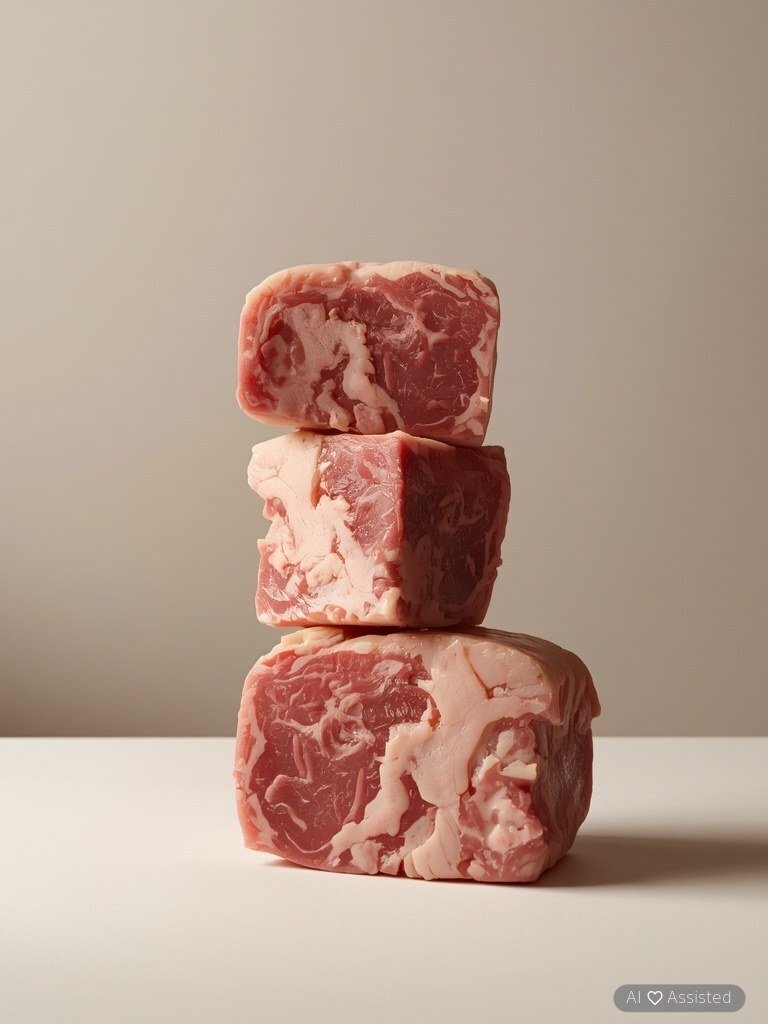
A pork carcass comprises the slaughtered, bled, eviscerated body of domestic swine, typically split longitudinally along the spine into symmetrical halves. Within the European Union, carcasses are systematically evaluated under the SEUROP classification framework, which grades lean meat content percentage (with class S surpassing 60% lean mass). High-grade pork displays a clean light-to-deep pink coloration, firm resilient texture, and delicate intramuscular marbling that confers juiciness and culinary flavor upon preparation.
Anatomical division of pork primal and sub-primal cuts
The fabrication of a pork side separates cuts differing substantially in muscle fiber thickness and connective tissue concentration. Foremost among premium culinary cuts are: tenderloin (the exquisitely tender psoas major), loin (yielding chops and roasts), ham (subdivided into top round, bottom round, and knuckle), shoulder/butt, neck/collar (richly marbled), pork belly, ribs, and hocks. Collateral parts – including jowl, trotters, tail, and head – feature prominently in artisanal charcuterie, terrines, rustic broths, and aspic preparations.
Nutritional profile of pork: High-biological-value protein, B-vitamins, and heme iron
Pork provides a rich source of complete, highly bioavailable dietary protein containing all essential amino acids required for tissue repair. Lean selections – such as trimmed tenderloin and center-cut loin – supply merely 120-150 kcal per 100g serving while delivering over 20-22g of protein with less than 3-5g of lipid content. Pork outclasses virtually all other meats in its concentration of thiamine (vitamin B1), alongside generous amounts of pyridoxine (B6), cobalamin (B12), zinc, and readily absorbable heme iron that protects against anemia.
Culinary applications and optimal thermal cooking methods for each cut
Matching appropriate cooking methods to the structural properties of each specific pork cut is critical for culinary success. Lean cuts (tenderloin, center loin) demand swift, gentle thermal exposure (pan-searing, brief roasting, sous-vide) to prevent desiccation; internal core temperature should peak around 68-70°C for optimal tenderness. In contrast, collagen-rich and connective-tissue-dense segments (shoulder, collar, hocks, ribs) achieve succulent tenderness through prolonged low-temperature braising, slow-roasting, or stewing, wherein tough collagen fibers steadily hydrolyze into unctuous gelatin.
Tags

mgr Felix Weber
✓Diets Premium Expert
Diets Premium team expert. Specializes in nutrition plans, strength sports, and training plans.
View Profile →