Whole Grain Flour vs. Refined White Flour – Why Making the Switch Matters

| Diets Premium Expert Max Müller | min read 3 min | Scientifically reviewed by a clinical dietitian 23.10.2026 |

Smart Voice
•Listen to the article content live
Flour is a staple across households worldwide, yet conventional refined white flour delivers isolated starches stripped of essential micronutrients. This guide explains why switching to whole grain flour improves glycemic control, digestive health, and cardiovascular wellness.
Want to apply these guidelines in your daily diet?
Our smart diet generator creates a tailored meal plan in 3 minutes based on the recommendations in this article.
Milling Differences and Whole Grain Anatomy
A whole cereal grain encompasses three distinct anatomical layers:
- Endosperm: Accounting for roughly 83% of the grain, consisting almost entirely of starchy carbohydrates and storage proteins.
- Bran: The multi-layered protective outer husk dense in dietary fiber, B-vitamins, and phytochemicals.
- Germ: The embryo core concentrated in essential fatty acids, tocopherols (vitamin E), and zinc.
Refined white flour strips away both the bran and germ, retaining only isolated starch. In contrast, 100% whole grain flour grinds the entire kernel, preserving the complete physiological matrix.
Nutritional Profile: Fiber, Minerals, and Glycemic Index
Direct nutritional comparison highlights the immense biochemical superiority of whole grains:
- Dietary fiber: Whole grain flour delivers 10–12 grams of fiber per 100 g versus an impoverished 2–3 grams in white flour.
- Micronutrient density: Whole grain retains 300–400% more magnesium, iron, zinc, potassium, and thiamine.
- Glycemic Index (GI): Refined flour triggers sharp postprandial glucose surges, whereas the intact fiber matrix of whole grain blunts glycemic response.
Impact on Metabolic Health, Satiety, and Digestion
Prospective cohort studies consistently associate high whole grain intake with profound chronic disease prevention:
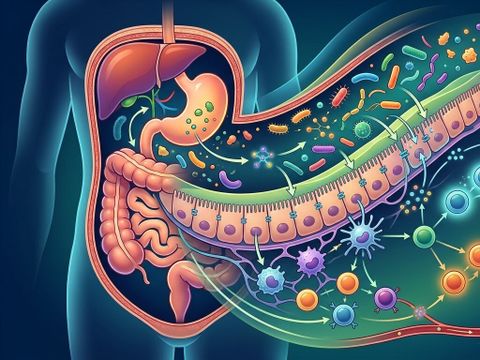
- Gastrointestinal microbiome: Prebiotic fermentable fibers promote short-chain fatty acid (SCFA) production, supporting colonocyte barrier integrity.
- Cardiovascular protection: Viscous fibers bind intestinal bile acids, facilitating endogenous clearance of circulating LDL cholesterol.
- Type 2 Diabetes mitigation: Enhanced insulin sensitivity and satiety signaling lower long-term cardiometabolic risk.
Culinary tip: Transition smoothly by blending 50% whole wheat with 50% traditional flour in baked goods before progressing to 100% whole grain.
Tags

mgr Max Müller
✓Diets Premium Expert
Diets Premium team expert. Specializes in nutrition plans, strength sports, and training plans.
View Profile →