Whole-Grain Wheat and Rye Bread – Nutritional Value, Metabolic Benefits, and How to Identify Authentic Loaves

| Diets Premium Expert Tomasz Jankowski | min read 2 min | Scientifically reviewed by a clinical dietitian 23.10.2026 |
Smart Voice
•Listen to the article content live
Want to apply these guidelines in your daily diet?
Our smart diet generator creates a tailored meal plan in 3 minutes based on the recommendations in this article.
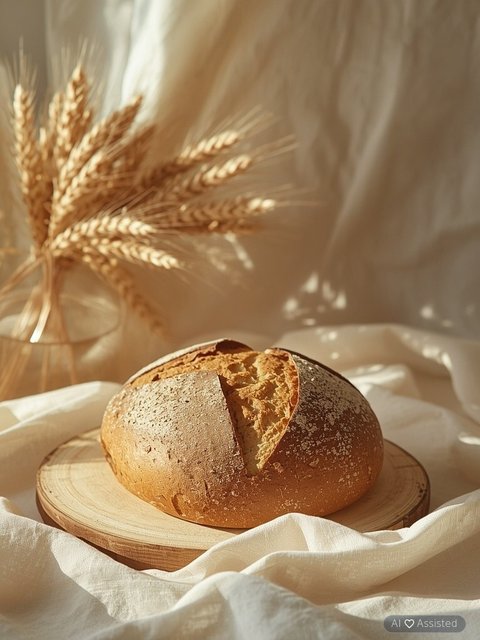
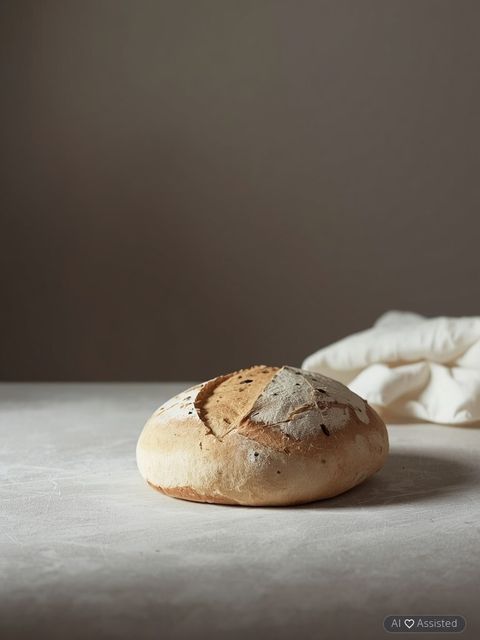
Whole-grain rye roll: Nutritional composition and comprehensive health benefits
Whole-grain rye roll – nutritional properties and dietary applications
Impact of Whole Grains on Glycemic Control, Lipid Metabolism, and the Gut Microbiome
Whole-grain wheat and rye breads exhibit substantially reduced glycemic indices and glycemic loads compared to refined wheat products. This metabolic advantage is predominantly mediated by soluble dietary fiber fractions—arabinoxylans and beta-glucans—which form viscous hydrogels within the gastrointestinal lumen, attenuating alpha-amylase activity and delaying intestinal glucose absorption. This blunts reactive postprandial hyperinsulinemia and protects against peripheral insulin resistance.
Furthermore, fermentable fiber fractions and resistant starch undergo anaerobic fermentation by beneficial colonic taxa, yielding short-chain fatty acids (SCFAs), notably butyrate, propionate, and acetate. Butyrate fuels colonocyte integrity, tight junction assembly, and systemic immune tolerance, whereas absorbed propionate exerts hepatic regulation over HMG-CoA reductase, systematically lowering circulating LDL cholesterol levels.
Reading Bakery Labels: Distinguishing Genuine Whole-Grain Loaves from Caramel-Dyed Counterfeits
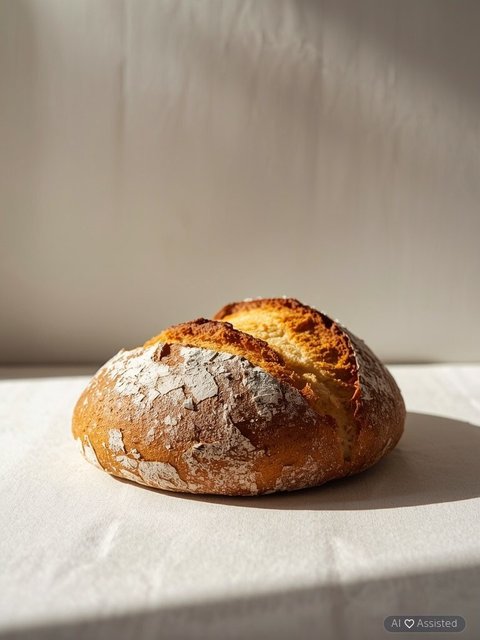
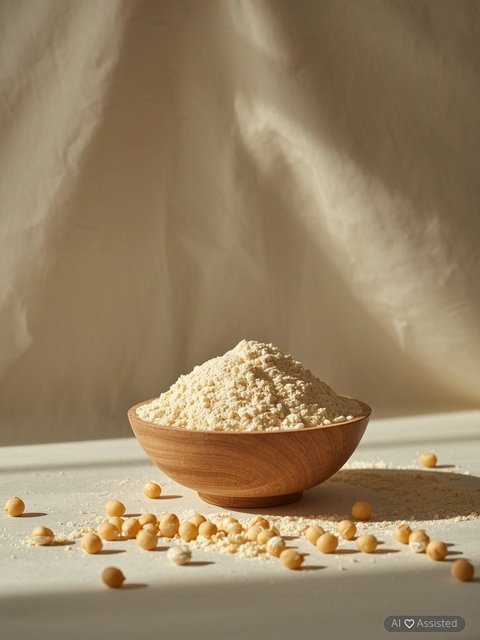
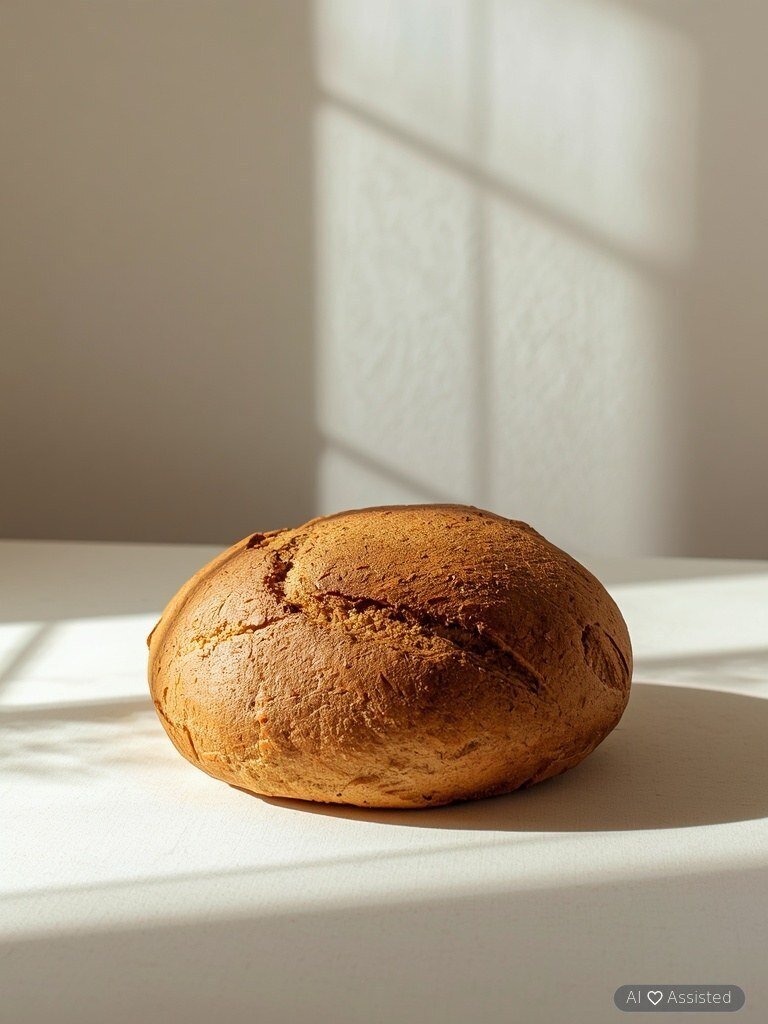
Consumers seeking healthful whole-grain products frequently encounter misleading commercial marketing. A deep brown crust or crumb is not an inherent guarantee of nutritional quality; commercial bakeries routinely color refined white wheat flour with caramel colorings, dark barley malt extract, or roasted rye malt. An authentic whole-grain loaf must list whole-grain meal (type 1850 or 2000 in Central European grading) as its primary ingredient, presenting a dense, pleasantly heavy, and slightly moist crumb.
Prioritizing naturally fermented sourdough loaves devoid of synthetic dough conditioners, emulsifiers, and industrial yeast accelerates phytate breakdown. Prolonged microbial fermentation activates endogenous phytases, neutralizing phytic acid in bran layers and significantly enhancing the bioavailability of vital minerals including elemental zinc, magnesium, calcium, and iron.
Tags

mgr Tomasz Jankowski
✓Diets Premium Expert
Diets Premium team expert. Specializes in nutrition plans, strength sports, and training plans.
View Profile →