Durum Wheat (Triticum durum): Semolina Properties, Health Attributes, and Selection Criteria for Premium Pasta

| Diets Premium Expert Katarzyna Mazur | min read 3 min | Scientifically reviewed by a clinical dietitian 23.10.2026 |
Smart Voice
•Listen to the article content live
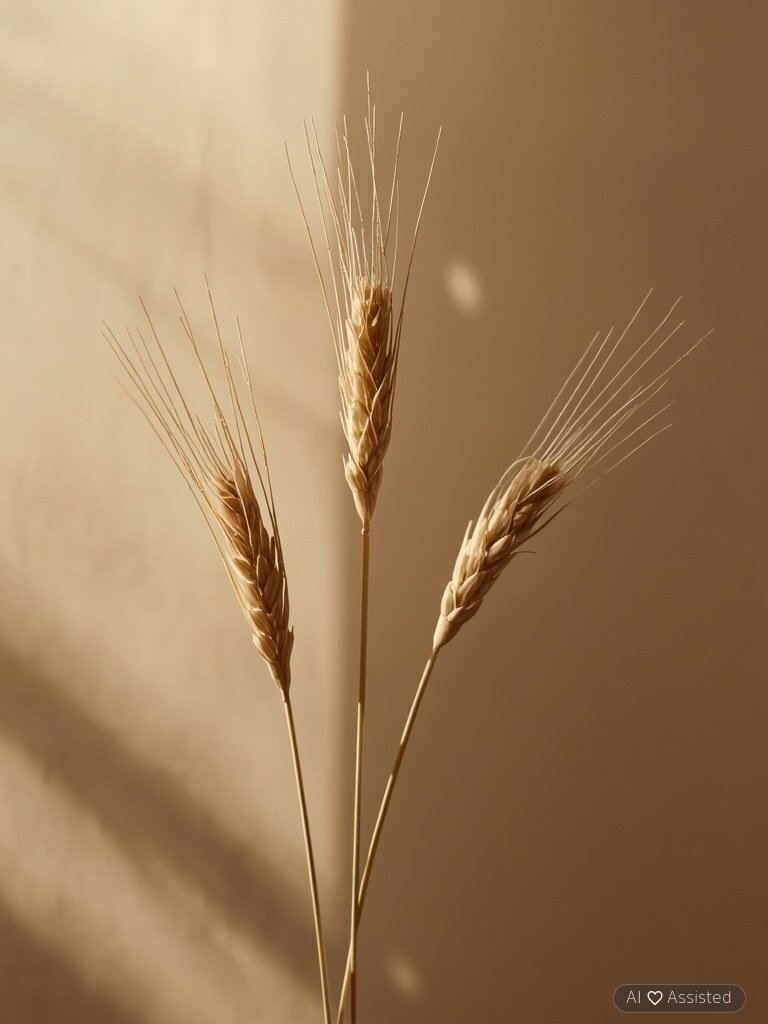
Durum wheat (Triticum durum) represents a distinguished tetraploid cereal species with ancient roots across the Mediterranean basin. It is botanically characterized by extraordinarily hard, vitreous amber kernels possessing high concentrations of natural antioxidant carotenoids, particularly lutein. Coarsely milled durum yields semolina—the premier golden flour revered globally as the benchmark standard for authentic Italian pasta craftsmanship. Compared to conventional common wheat pasta, authentic durum semolina pasta provides superior protein density, a significantly lower glycemic index, and the unmistakable, resilient al dente toothsome bite.
Want to apply these guidelines in your daily diet?
Our smart diet generator creates a tailored meal plan in 3 minutes based on the recommendations in this article.
Durum Wheat Botany and Molecular Divergence from Common Bread Wheat
Durum wheat is a tetraploid cereal (28 chromosomes), distinctly separate from common hexaploid bread wheat (Triticum aestivum, 42 chromosomes). Durum kernels are remarkably dense, vitreous, and physically hard. This physical hardness is governed by its distinct glutenin-gliadin molecular matrix. When kneaded with water, durum gluten forms an impermeable, cohesive protein scaffold that tightly entraps gelatinizing starch granules during boiling, preventing their leaching into the cooking water. Consequently, durum pasta resists overcooking, avoids stickiness, and delivers genuine springiness. Furthermore, durum concentrates double the ocular-protective lutein of common wheat.
Durum Semolina: Nutritional Density, Carotenoids, and Low Glycemic Response
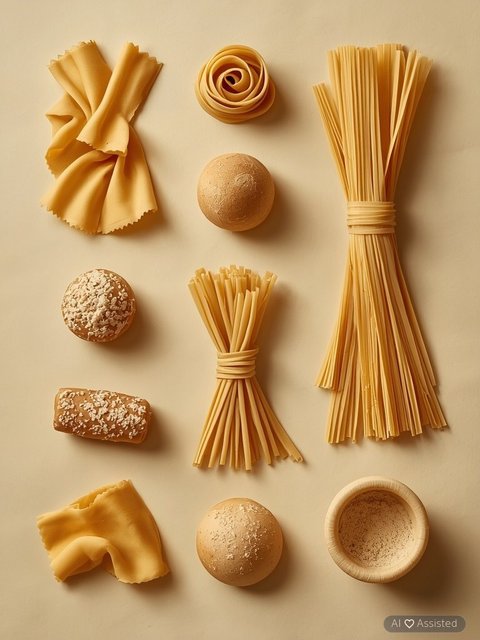
Milling durum wheat yields golden semolina (semola di grano duro) or finely re-milled flour (semola rimacinata), historically prized for rustic artisanal breads and focaccia. Delivering 12–14 g of protein per 100 g, semolina is enriched with thiamine, riboflavin, niacin, folate, iron, and magnesium. Its paramount metabolic virtue is a modest glycemic index (GI 40–45 when cooked al dente). The compact gluten network physically shields starch granules from rapid enzymatic hydrolysis by salivary and pancreatic alpha-amylases. Glucose absorption is gradual and steady, attenuating insulin spikes and sustaining satiety, making it an excellent complex carbohydrate for metabolic health.
Durum Wheat Pasta: Why Cooking Al Dente Matters Metabolically
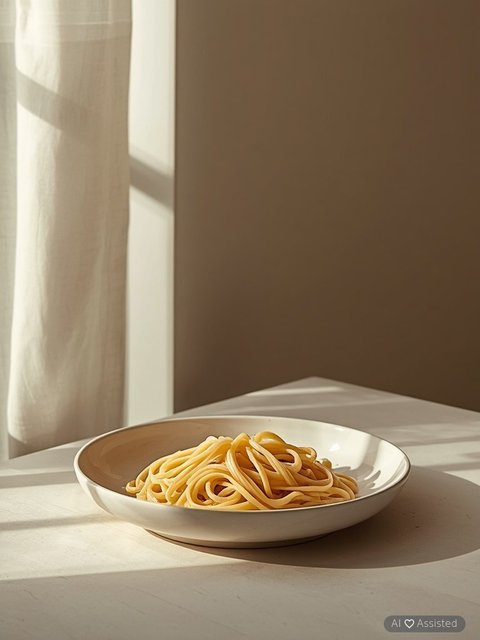
The Italian culinary canon of cooking pasta al dente (literally to the tooth) is not merely an aesthetic choice, but a clinical metabolic imperative. When pasta retains a slight resistance in its core, starch granules remain partially encapsulated within unruptured protein strands, requiring thorough mastication and slow amylolytic digestion. Al dente durum pasta yields a glycemic index around 40. Conversely, overcooking pasta ruptures the protein network, allowing complete gelatinization of starches and catapulting the glycemic index above 70, inducing acute postprandial hyperglycemia. Practicing culinary vigilance by boiling pasta 1–2 minutes less than package instructions preserves optimal metabolic responses.
Quality Markers: Bronze Extrusion (Trafilata al Bronzo) and Slow Low-Temperature Drying
Not all durum pasta lines offer equivalent culinary and biological quality. Discerning consumers identify premium artisanal pasta via two manufacturing benchmarks:
1. Bronze Die Extrusion (trafilata al bronzo): Classic bronze extruders carve a microscopic rough, chalky texture onto pasta surfaces. This porous exterior grips sauces, emulsifying fats and liquids perfectly, unlike slick, glassy surfaces from industrial Teflon dies.
2. Slow Low-Temperature Drying (essiccazione lenta, under 45–55°C for 24–48 hours): Gentle desiccation preserves essential heat-sensitive amino acids (particularly lysine), retains natural carotenoids, and protects sweet wheat flavors, avoiding the heat damage generated by industrial flash-drying at 100°C.
Tags

Katarzyna Mazur
✓Diets Premium Expert
Diets Premium team expert. Specializes in nutrition plans, strength sports, and training plans.
View Profile →