2 min read
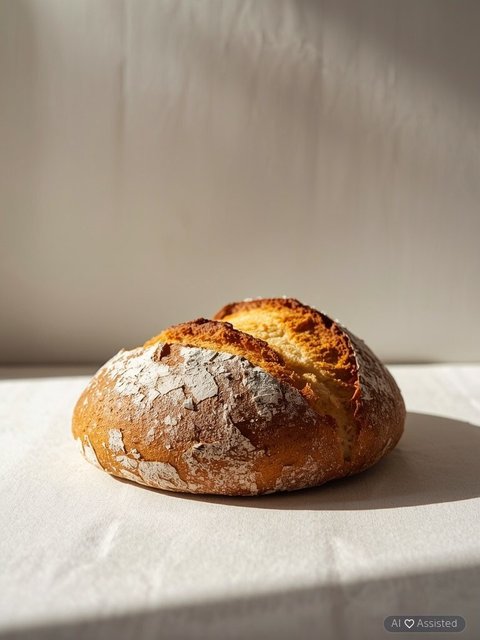
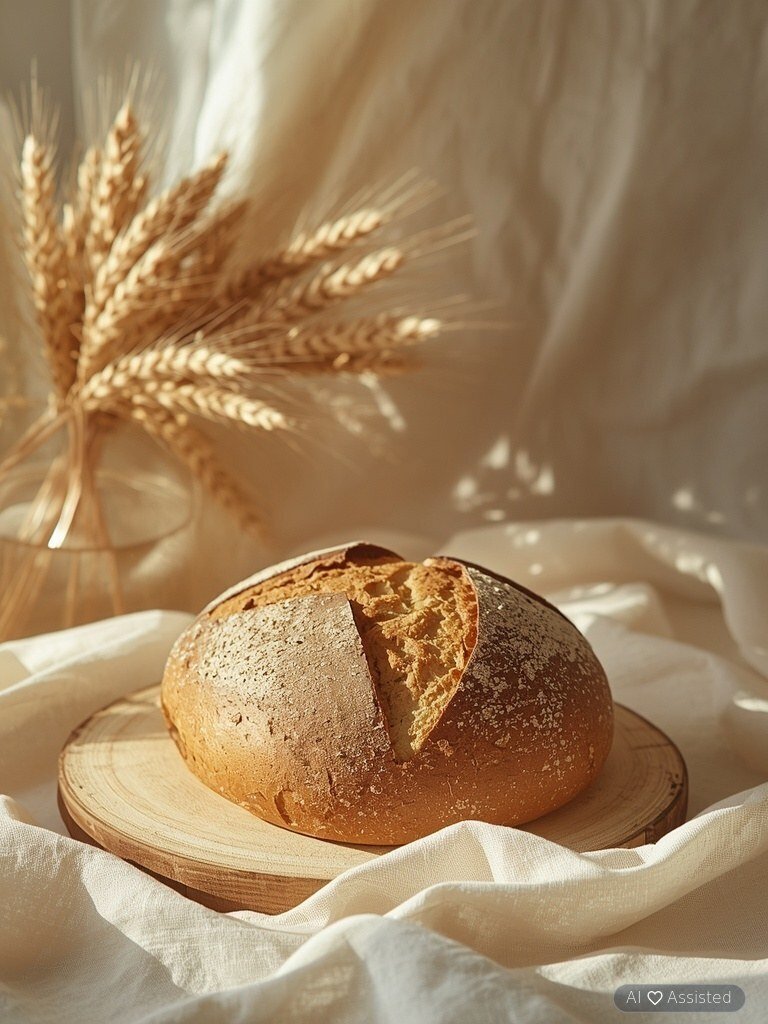
Rye bread – nutritional value, calories, and health benefits

Tomasz Jankowski
✓
Diets Premium Expert • 23.10.2026
✓
Scientifically reviewed by a clinical dietitian:
This article has been peer-reviewed for adherence to IŻŻ, WHO, and PTGiP clinical nutritional standards.
| Diets Premium Expert Tomasz Jankowski | min read 2 min | Scientifically reviewed by a clinical dietitian 23.10.2026 |
Smart Voice
•Listen to the article content live
0:00
/
0:00
Key Takeaways
Traditional sourdough rye bread is an essential staple with superior nutritional properties. Rich in dietary fiber, B-complex vitamins, and essential minerals like zinc, magnesium, and iron, rye bread offers a low glycemic index, promotes steady blood sugar levels, and provides long-lasting satiety. Discover the science-backed health benefits of including high-quality rye bread in a balanced diet.
Meal Plan
Want to apply these guidelines in your daily diet?
Our smart diet generator creates a tailored meal plan in 3 minutes based on the recommendations in this article.
Nutritional Properties of Rye Bread – Vitamins and Minerals
Rye flour is exceptionally rich in B-complex vitamins (including thiamine, riboflavin, and niacin) and essential minerals such as zinc, phosphorus, and magnesium. Whole rye grain products contain bioavailable lignans and alkylresorcinols, natural compounds with documented antioxidant and cholesterol-lowering properties. Furthermore, natural sourdough fermentation breaks down phytic acid, significantly boosting mineral absorption and supporting healthy gut microbiota.
Caloric Value – How Many Calories Are in Rye Bread?
100 grams of standard wholemeal rye bread provides approximately 220–240 kcal, with 6.8 g of protein, 1.8 g of fat, and 44.7 g of complex carbohydrates, accompanied by roughly 6–8 g of dietary fiber. A single slice (around 35–40 g) delivers only about 75–85 kcal. Due to its dense structure and rich soluble fiber content, rye bread digests slowly, preventing insulin spikes and making it ideal for weight management and diabetic diets.
Rye Bread in the Daily Diet – Meal Composition and Practical Uses
Wholemeal rye bread serves as an outstanding base for balanced breakfasts and nutrient-dense lunches. Pairing rye bread with high-quality protein sources (such as eggs, cottage cheese, lean poultry, or wild fish) and fresh vegetables further lowers the meal's glycemic index and enhances micronutrient synergy. Its dense crumb makes it perfect for open-faced sandwiches, toasts, and nutritious snacks throughout the day.

mgr Tomasz Jankowski
✓Diets Premium Expert
Diets Premium team expert. Specializes in nutrition plans, strength sports, and training plans.
View Profile →