Durum Wheat, Semolina, and Couscous – Nutritional Profile and Culinary Virtues

| Diets Premium Expert Felix Weber | min read 6 min | Scientifically reviewed by a clinical dietitian 23.10.2026 |
Smart Voice
•Listen to the article content live
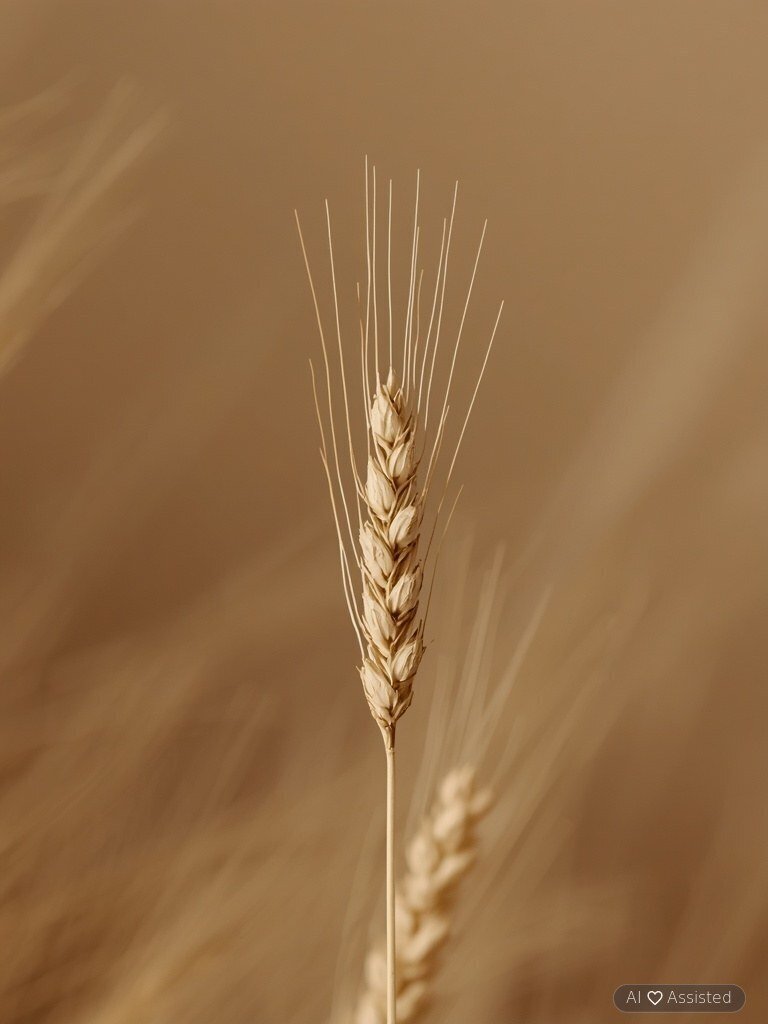
Durum wheat (Triticum durum) represents the undisputed gold standard for artisanal Italian pasta and traditional North African couscous. How does hard amber durum differ from standard soft wheat, and what biochemical advantages does semolina offer for glucose regulation?
Want to apply these guidelines in your daily diet?
Our smart diet generator creates a tailored meal plan in 3 minutes based on the recommendations in this article.
This article is professional premium content (PRO) provided in its entirety.
Fundamentals: Durum Wheat, Semolina, and Couscous
Clarifying core botanical and culinary terminology:
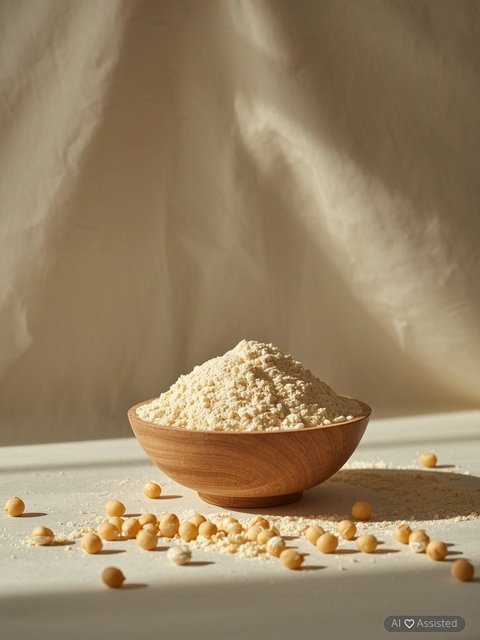
- Durum Wheat (Triticum durum): A tetraploid cereal grain characterized by high vitreous kernel hardness and elevated natural carotenoid pigment (lutein) content.
- Semolina: The coarsely ground endosperm of durum wheat, renowned for gluten protein strength that guarantees 'al dente' pasta structure.
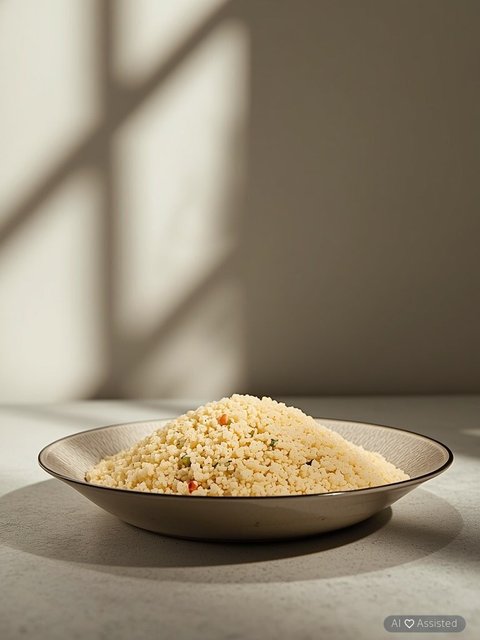
- Couscous: Steamed granules formed by rolling moistened durum semolina into small pearls.
Nutritional Profile and Glycemic Advantage of Semolina
Compared to standard soft wheat flours, durum semolina exhibits major nutritional and metabolic advantages:
- Superior protein density: Provides 12–14% protein with an exceptionally compact gluten matrix that traps starch granules during boiling.
- Lower glycemic index: The starch-protein encapsulation impedes amylase cleavage; authentic 'al dente' durum pasta exhibits a modest GI around 45–50.
- Micronutrient richness: Supplies notably higher levels of lutein, folate, magnesium, and selenium.
Semolina in Sports Nutrition and Active Lifestyles
For athletes and individuals managing metabolic health, durum pasta cooked 'al dente' represents an optimal fuel source:
- Delivers steady, extended glycogen replenishment without insulin spikes.
- Easily tolerated by the gastrointestinal tract prior to endurance competition.
Culinary note: Always cook pasta 'al dente' and pair with extra virgin olive oil, herbs, and lean proteins for an optimal Mediterranean meal.
Tags

mgr Felix Weber
✓Diets Premium Expert
Diets Premium team expert. Specializes in nutrition plans, strength sports, and training plans.
View Profile →