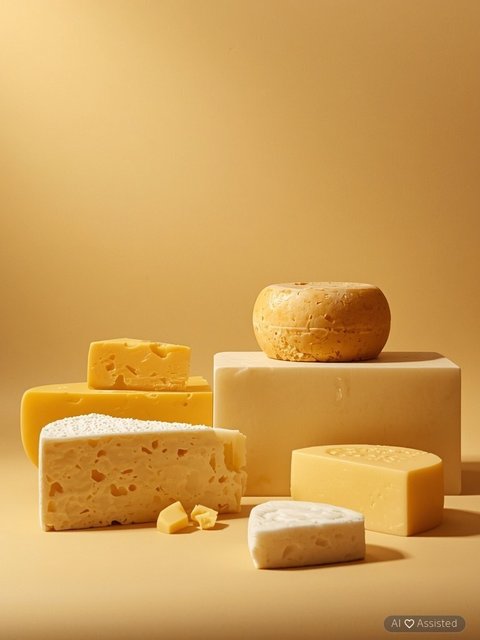
Crispiness versus tradition in bread: which option excels in health and sensory terms?

| Diets Premium Expert Mia Hoffmann | min read 4 min | Scientifically reviewed by a clinical dietitian 23.10.2026 |
Smart Voice
•Listen to the article content live
The nutritional value of bread is determined by grain processing methods and baking technology. Choosing between traditional sourdough bread and extruded crispbread profoundly impacts postprandial satiety, blood glucose dynamics, and micronutrient bioavailability. This evidence-based article systematically evaluates both bread varieties from nutritional and metabolic perspectives.
Want to apply these guidelines in your daily diet?
Our smart diet generator creates a tailored meal plan in 3 minutes based on the recommendations in this article.
Extruded Crispbread – Processing, Dietary Advantages, and Limitations
Crispbread is commonly produced through high-temperature, high-pressure extrusion cooking. Its key benefits include very low moisture content (under 5%), ensuring extended shelf stability without synthetic preservatives. A single slice weighs only 7–10 grams and supplies roughly 25–35 kcal, making it practical for portion control. However, its caloric density per 100 grams exceeds 350 kcal, and thermal extrusion gelatinizes starch granules, which may elevate the glycemic index and shorten postprandial satiety.
Traditional Sourdough Rye Bread – Fermentation and Nutrient Bioavailability
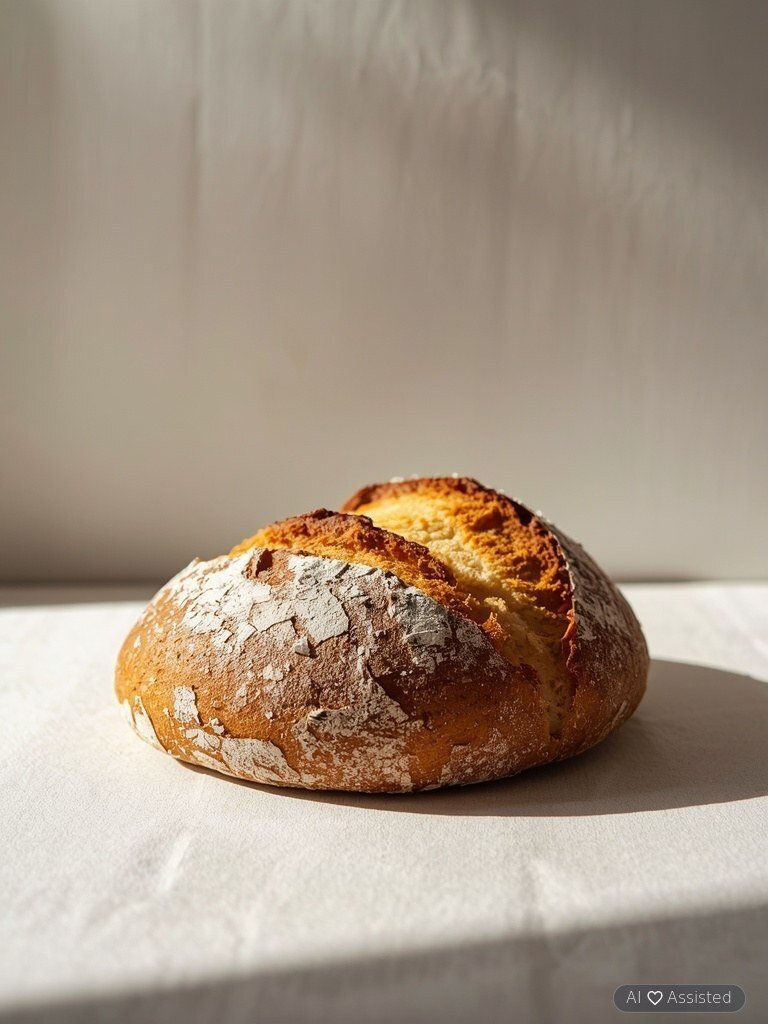
Classic rye sourdough bread relies on the natural fermentation kinetics of lactic acid bacteria (LAB) and wild yeasts. Acidification of the dough below pH 4.5 activates cereal phytases, effectively degrading phytic acid complexes. Consequently, the intestinal bioavailability of essential divalent minerals—including zinc, iron, magnesium, and calcium—is substantially enhanced. Furthermore, lactic and acetic acids blunt acute glucose responses and foster resistant starch formation, nourishing gut microbiome flora.
Satiety Index, Glycemic Load, and Practical Choices for Weight Management
In dietary weight reduction protocols, the satiety index serves as a primary determinant of compliance. Two slices of whole-grain sourdough rye bread (approx. 70–80 g) provide roughly 160 kcal and 6–8 g of dietary fiber, maintaining satiety for 3–4 hours. An isocaloric serving of crispbread (approx. 5 slices) possesses smaller visual volume and is chewed rapidly, blunting physiological satiety signaling (CCK and GLP-1). Therefore, fresh whole-grain sourdough should form the daily staple, while crispbread serves as a practical, shelf-stable travel option.

Mia Hoffmann
✓Diets Premium Expert
Diets Premium team expert. Specializes in nutrition plans, strength sports, and training plans.
View Profile →