3 min read
How to Prepare Corn

Katarzyna Mazur
✓
Diets Premium Expert • 25.09.2026
✓
Scientifically reviewed by a clinical dietitian:
This article has been peer-reviewed for adherence to IŻŻ, WHO, and PTGiP clinical nutritional standards.
| Diets Premium Expert Katarzyna Mazur | min read 3 min | Scientifically reviewed by a clinical dietitian 25.09.2026 |
Smart Voice
•Listen to the article content live
0:00
/
0:00
Key Takeaways
Golden, sweet corn - How to cook it and what else can you create with it in the quiet of your home kitchen? Is it safe for diabetics?
Meal Plan
Want to apply these guidelines in your daily diet?
Our smart diet generator creates a tailored meal plan in 3 minutes based on the recommendations in this article.
Maize: Nutritional Profile, History, and Gluten-Free Dietary Applications
Although commonly misclassified as a vegetable, maize constitutes one of the world’s most historically significant cereal crops, with cultivation records dating back approximately 4,500 years in South America. Revered by the Maya and Aztecs to the extent of becoming a sacred cult object, its global dissemination followed the colonization of the Americas, reaching Europe, Australia, and Asia, with Polish cultivation emerging only in the 18th century. The plant is distinguished by its minimal soil requirements and rapid growth rate, rendering it highly advantageous for agricultural systems. Nutritionally, the maize cob comprises primarily water (70 g per 100 g), supplemented by carbohydrates (23 g/100 g), modest protein content (3–4 g/100 g), and trace fats (1.5 g/100 g). While frequently consumed as boiled kernels, it also serves as the raw material for flour, flakes, oil, starch, porridge, corn syrup, and popcorn. Rich in magnesium, phosphorus, potassium, vitamin C, thiamine (B1), and folic acid, maize offers a relatively low caloric density (approx. 100 kcal/100 g) and necessitates thorough mastication, which promotes prolonged satiety. Numerous cultivars exist, differentiated primarily by vegetative periods—ranging from early-maturing, food-grade varieties to ornamental types with seed colors spanning deep red to near-black hues. Naturally gluten-free, maize is an invaluable dietary component for individuals with celiac disease, gluten allergies, or intolerances. Cornmeal, though less pliable than wheat flour and prone to drying in baked goods, functions effectively as a substitute in bread, pancakes, or as a thickening agent for sauces. Optimal results are achieved by blending it with other gluten-free flours (e.g, buckwheat, rice, hemp) and incorporating chia or flaxseeds, whose mucilaginous properties enhance moisture retention and extend the freshness of dough-based products.
Glycemic index chart: understanding GI and GL values in diabetic and insulin-resistant diets
Individuals diagnosed with diabetes or insulin resistance must carefully evaluate how consumed foods affect blood glucose concentrations, a process facilitated by the glycemic index (GI). This metric quantifies the extent to which a specific food item elevates blood sugar levels relative to pure glucose, which serves as the baseline reference. Higher GI values correlate with more rapid and pronounced spikes in glucose, prompting dietary guidelines to advise against or limit foods with high GI (>70) and moderate GI (56–69), while favoring those with low GI (≤55). Corn kernels exhibit a GI ranging from 55 to 69 depending on measurement methodology and data sources, positioning them at the threshold of acceptability. However, processed corn derivatives such as cornflakes (GI=84) and popcorn (GI=72) demonstrate significantly less favorable profiles. Equally critical is the glycemic load (GL), which accounts for both the quality *and* quantity of carbohydrates consumed in a given serving. Calculation involves multiplying the carbohydrate content of the portion by the food’s GI, then dividing by 100. Mirroring the approach to GI, nutritionists recommend prioritizing foods with low GL (<10) to support glycemic stability.
Step-by-Step Guide to Cooking Perfect Corn: A Culinary Handbook for Beginners and Experienced Cooks Alike
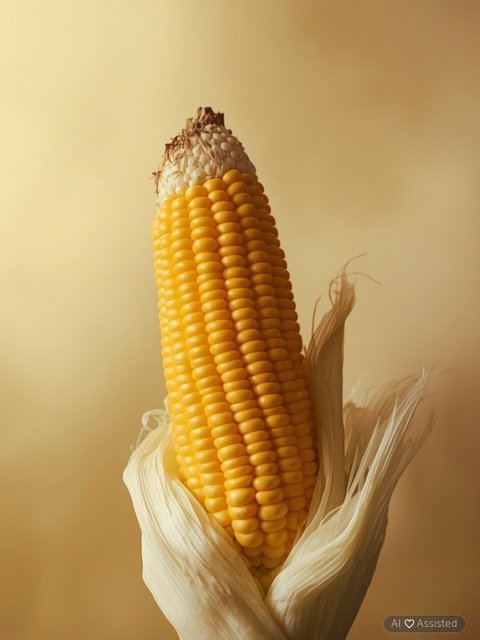
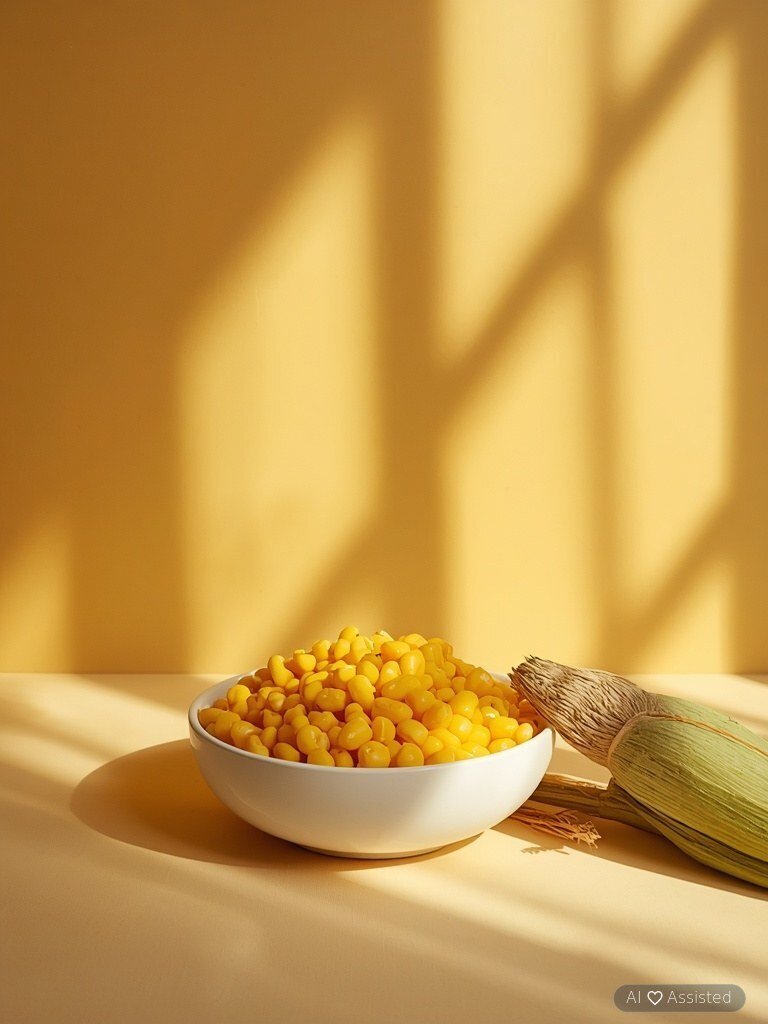
Preparing corn constitutes an exceptionally straightforward culinary procedure that does not demand advanced cooking skills. The pivotal initial phase involves the meticulous selection of cobs—their husks should exhibit a vibrant, healthy green hue, adhering closely to the kernels without signs of wilting or detachment. The kernels themselves must display a uniform golden-yellow coloration, possess a firm yet resilient texture, and remain entirely free from mechanical damage or mold traces. Most consumers intuitively identify premium-quality produce based on visual appeal and an overarching impression of reliability. Following the thorough removal of outer husks and all residual silk fibers, the cobs should be rinsed under running water to eliminate any potential contaminants. The subsequent step entails boiling a generous quantity of water in a spacious pot—optionally enhanced with a modest addition of granulated sugar to accentuate the corn’s inherent sweetness, though this remains non-obligatory; a light salting suffices as an alternative. Individuals managing diabetes should abstain from sweetening the water altogether. The boiling process typically spans ten to fifteen minutes, with doneness indicated by the kernels achieving a tender yet slightly crisp consistency. Serving the cooked corn with a thin layer of melted butter significantly amplifies its flavor profile. Canned corn, conversely, requires no thermal preparation; once drained of its liquid, it is immediately ready for consumption. Furthermore, it serves as an excellent ingredient in heated dishes, particularly within Mexican cuisine, where it pairs harmoniously with beans, tomatoes, and piquant seasonings. Additionally, corn complements seafood such as tuna, crab sticks, and cocktail shrimp, creating sophisticated gastronomic combinations.
Corn Recipes (5 Delicious and Healthy Culinary Ideas)
The ingredients are: tuna salad with corn, 120 g (1 can), canned corn and Greek yogurt, 220 g (1 carton of pickled maize), peppercorn sauce, 3 tablespoons of chopped maize, Greek yoghurt, 4 tablespees of red onion, 30 g (0.5 small), red pepper, 240 g (1.5 small) in a single bowl of salted tuna, corn on the cob, rice, and rice flour. When canned, it is better to process the black maize in a small bowl. However, the same potatoes can be processed with the red maize sauce as well. You can cook it with the salted onion to the red sauce. Then you can prepare it with a salted sauce until the salty sauce and salted dough until the whole sauce has been cooked.

Katarzyna Mazur
✓Diets Premium Expert
Diets Premium team expert. Specializes in nutrition plans, strength sports, and training plans.
View Profile →