4 min read
Sources of sulphur and their significance for health

Julia Wójcik
✓
Diets Premium Expert • 24.09.2026
✓
Scientifically reviewed by a clinical dietitian:
This article has been peer-reviewed for adherence to IŻŻ, WHO, and PTGiP clinical nutritional standards.
| Diets Premium Expert Julia Wójcik | min read 4 min | Scientifically reviewed by a clinical dietitian 24.09.2026 |
Smart Voice
•Listen to the article content live
0:00
/
0:00
Key Takeaways
The preservative and antioxidant properties of sulphuric acid have long been utilised in many industries, including wine and fruit and vegetable processing, in order to extend the shelf life of various products. Presently, there is a growing awareness among consumers and a demand for natural products, devoid of preservatives, that boast excellent flavour characteristics.
Meal Plan
Want to apply these guidelines in your daily diet?
Our smart diet generator creates a tailored meal plan in 3 minutes based on the recommendations in this article.
Application of sulphur-based additives (E220–E228) in food products not exceeding 10 millimetres in thickness
Sulphur-derived preservatives, designated by the E-numbers E220 through E228, are extensively employed within the fruit and vegetable processing sector as potent inhibitors of bacterial proliferation, with a secondary yet notable capacity to suppress the growth of moulds and yeasts. Additionally, these compounds serve as antioxidant agents, safeguarding food products against oxidative degradation. Their antimicrobial efficacy is maximised under acidic conditions characterised by low pH levels, whereas in neutral-pH food matrices, their preservative properties are substantially diminished. The vivid, appealing colouration observed in dried fruits such as apricots and peaches is a direct consequence of sulphur dioxide (E220) application, which concurrently inhibits the enzymatic activity of polyphenol oxidase. This inhibition effectively prevents the enzymatic browning reaction, thereby preserving the deep, natural hues reminiscent of freshly harvested produce. Such attributes confer tangible benefits to manufacturers in terms of product stability and to consumers through enhanced visual and organoleptic quality.
The Role and Application of Sulphur Compounds in Winemaking: From Natural Fermentation to Regulatory Standards
It is important to note that all wines—regardless of type—contain trace amounts of sulphur compounds that form naturally during alcoholic fermentation. Sulphur dioxide (SO₂) and sulphites (IV) play a pivotal role in the production of grape wines, fruit wines, and other wine-based beverages, primarily due to their ability to inhibit the growth of undesirable microorganisms. Additionally, their addition to must or finished wine prevents the oxidation of phenolic compounds, thereby safeguarding against undesirable color changes. Current legal regulations mandate that producers must disclose SO₂ content exceeding 10 mg/dm³ on the product label. The concentration of these compounds in wine depends on multiple factors, including grape quality, pH level, production methods, and storage and aging conditions. According to guidelines, dry wines should not exceed 150–200 mg/dm³ of SO₂ (depending on the wine type), whereas sweet wines may contain up to 400 mg/l, contingent on sugar content. To date, research has not identified adverse health effects from low levels of SO₂ in consumers, provided that established limits are adhered to.
Food products incorporating sulphur-based preservative compounds
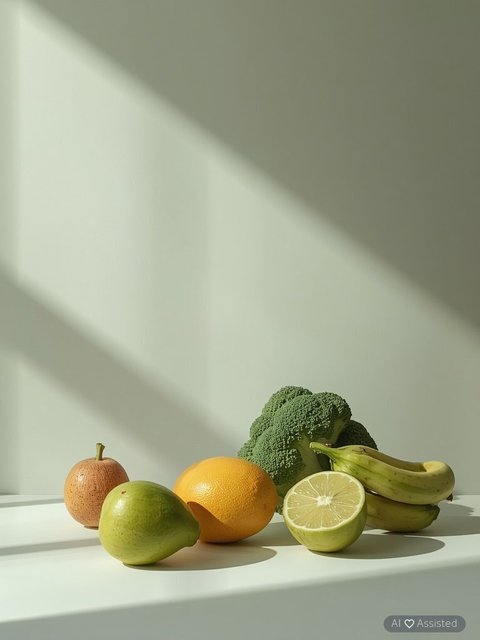
For centuries, sulphur-based compounds have served as indispensable preservatives within the food industry, employed extensively in the processing of semi-finished fruit and vegetable products, the manufacture of jams (refer to Table 1), edible gelatins, mustards, and the stabilization of fermented beverages such as wines and beers. Their primary function lies in the potent inhibition of microbial proliferation, including pathogenic bacteria and mould fungi. Additionally, sulphur dioxide (SO₂) and its saline derivatives are routinely applied during the dehydration of fruits—such as apricots, peaches, bananas, apples, and pears—to mitigate enzymatic browning reactions.
**Table 1.** **Permissible maximum levels of sulphur dioxide (SO₂) and its salts in selected food categories**
| **Food Product Type** | **Maximum Permitted Concentration [mg/kg or mg/l]** |
|------------------------------------|---------------------------------------------------|
| Pearled barley groats | 30 |
| Peeled potatoes | 50 |
| Jams, jellies, marmalades | 50 |
| Dried mushrooms | 100 |
| Fruit wines | 200 |
| Dried apples and pears | 600 |
| Dried bananas | 1000 |
| Dried apricots, peaches, grapes, plums, figs | 2000 |
It is worth noting that extensive thermal processing and boiling in large volumes of water may lead to the leaching of water-soluble sulfur compounds. Consequently, gentle steaming or brief sautéing represents the optimal culinary technique for brassica vegetables and legumes.
The health effects of sulfuric acid
The Acceptable Daily Intake (ADI) for sulfites is established at 0.7 mg per kilogram of body weight, meaning an average individual weighing 70 kg can safely ingest up to 49 mg of sulfites daily; this benchmark, however, does not apply to individuals with clinical hypersensitivity or underlying chronic conditions. The physiological impact of preservatives designated by codes E220–E228 is significant, particularly in hypersensitive populations (affecting an estimated 5–10% of asthmatic individuals), where exposure may trigger symptoms ranging from headaches, urticaria, Quincke's edema, and gastrointestinal distress to acute anaphylactic shock. Toxicological studies indicate that acute exposure to single sulfur dioxide doses of 4–6 g can induce severe gastric and mucosal irritation. Furthermore, prolonged chronic intake of even low concentrations of SO2 has been shown to compromise systemic immunocompetence. Consequently, processed foods preserved with sulfur compounds should be strictly avoided in the diets of young children whose immune systems remain immature, favoring fresh, whole, unprocessed foods instead. Sulfur(IV) derivatives frequently appear on food ingredient labels either as gaseous sulfur dioxide or as soluble salts (sodium sulfite – E221, sodium bisulfite – E222, sodium metabisulfite – E223, potassium metabisulfite – E224, calcium sulfite – E226, calcium bisulfite – E227, and potassium bisulfite – E228). While trace amounts are generally considered non-toxic in healthy metabolic systems, exceeding ADI thresholds frequently precipitates cephalalgia, nausea, and emesis. Consumers, especially those with atopic tendencies, are strongly advised to exercise vigilance and prioritize products with short, transparent ingredient lists, remembering the foundational principle of toxicology articulated by Paracelsus: 'All things are poison, and nothing is without poison; only the dose makes something not a poison.'

Julia Wójcik
✓Diets Premium Expert
Diets Premium team expert. Specializes in nutrition plans, strength sports, and training plans.
View Profile →