Prickly Pear (Opuntia ficus-indica): Botanical Profile, Health Benefits, and Nutritional Applications

Wojciech Wiśniewski
Wojciech Wiśniewski ✓
Diets Premium Expert • 23.10.2026
✓
Scientifically reviewed by a clinical dietitian: This article has been peer-reviewed for adherence to IŻŻ, WHO, and PTGiP clinical nutritional standards.
Diets Premium Expert Wojciech Wiśniewski min read 5 min Scientifically reviewed by a clinical dietitian 23.10.2026
Prickly Pear (Opuntia ficus-indica): Botanical Profile, Health Benefits, and Nutritional Applications

Smart Voice

•

Listen to the article content live

0:00 / 0:00
Key Takeaways

Prickly pear (Opuntia ficus-indica), historically revered across arid regions of the Americas and the Mediterranean basin, has emerged in modern nutritional science as an extraordinary functional food. From glycemic control and lipid modulation to cellular cytoprotection, this resilient xerophytic cactus offers significant therapeutic advantages.

Meal Plan

Want to apply these guidelines in your daily diet?

Our smart diet generator creates a tailored meal plan in 3 minutes based on the recommendations in this article.

Botanical Profile, Geographic Origin, and Morphology

Prickly pear (Opuntia ficus-indica) belongs to the diverse family Cactaceae, which encompasses approximately 150 to 200 recognized species. Indigenous to the arid and semi-arid plateaus of Mexico, the plant was introduced to the Mediterranean basin, southern Africa, Australia, and parts of Asia following transatlantic voyages in the 16th century, establishing itself effortlessly due to its exceptional drought resistance.

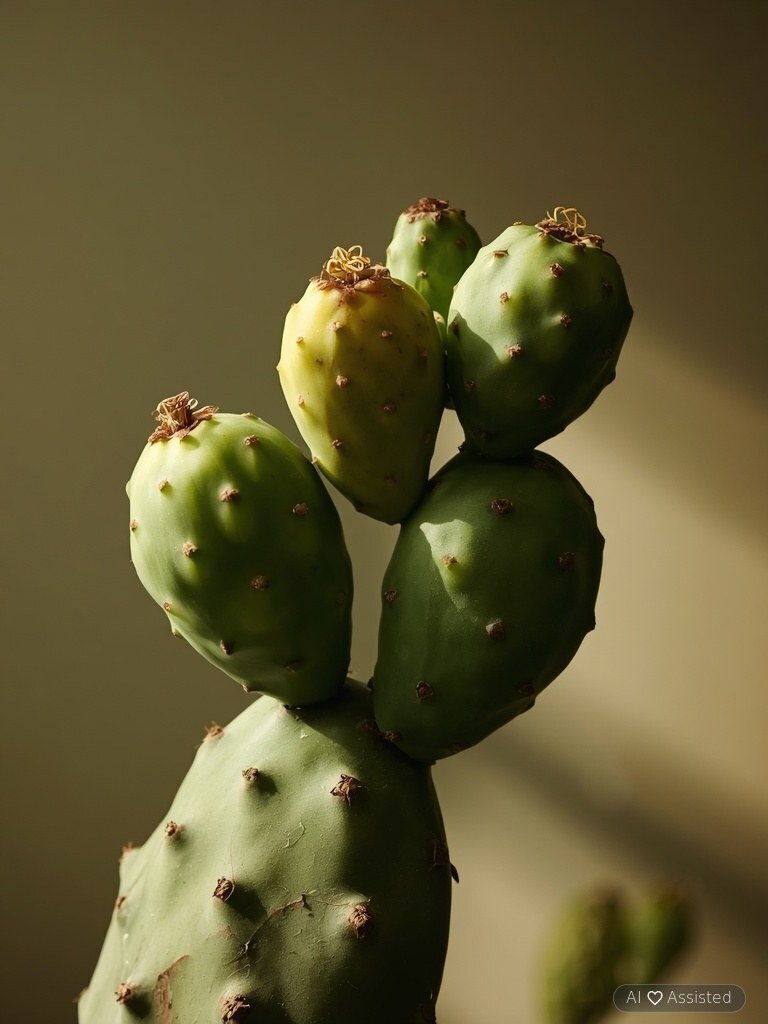
Morphologically, the cactus is characterized by flattened, photosynthetic stem segments known as cladodes (often termed nopales). These succulent pads perform Crassulacean Acid Metabolism (CAM) to conserve water, while reduced leaves form sharp spines and microscopic barbs called glochids.

The ovoid fruits, commonly called cactus figs or tunas, weigh between 100 and 160 grams at harvest. Depending on variety and betalain pigment concentration, their hues range from pale green and golden yellow to vivid orange and deep ruby red. The succulent pulp surrounds numerous small, hard seeds and represents both a versatile staple food and a potent nutraceutical matrix.

Phytochemical Composition and Nutritional Density

Both the fruits and tender cladodes of Opuntia ficus-indica possess a distinctive, nutrient-dense biochemical composition. Consisting of 85–92% water, they serve as concentrated reservoirs of vital micronutrients and protective phytochemicals:

  • Vitamins and Minerals: Rich in ascorbic acid (vitamin C, up to 40 mg/100 g), alpha-tocopherol (vitamin E), and group B vitamins (thiamine, pyridoxine). Essential minerals include potassium, bioavailable magnesium, and calcium, contrasted by exceptionally low sodium levels.
  • Soluble and Insoluble Fiber: High fractions of functional mucilage and pectins consisting of arabinose, galactose, rhamnose, and xylose, responsible for enhanced water retention and viscous gel formation in the intestinal tract.
  • Betalain Pigments: Potent water-soluble antioxidants classified into violet-red betacyanins (predominantly betanin) and yellow-orange betaxanthins (notably indicaxanthin), which exhibit strong anti-radical capacity.
  • Polyphenols and Organic Acids: Abundant in quercetin, kaempferol, isorhamnetin derivatives, and phenolic acids alongside tartaric, succinic, and malic acids.

Toxicological assessments categorize Opuntia biomass as safe and non-toxic. Mild adverse events are generally transient and gastrointestinal—such as loose stools, flatulence, or mild bowel fullness—typically arising only after very high single-dose fiber intakes without adequate hydration.

Pharmacological Actions and Clinical Evidence

Both preclinical assays and controlled human interventions corroborate the multifaceted therapeutic potential of Opuntia ficus-indica bioactive complexes:

  • Metabolic Regulation and Glycemic Control: Viscous soluble fibers delay gastric emptying and impede alpha-glucosidase activity, leading to a marked attenuation of postprandial blood glucose and improved peripheral insulin sensitivity in patients with metabolic syndrome.
  • Lipid Partitioning and Weight Management: Cladode-derived fiber fractions physically bind dietary triglycerides and cholesterol within the intestinal lumen, prompting fecal excretion and diminishing net caloric absorption. Clinical trials enrolling overweight cohorts documented superior weight loss, reduction of waist circumference, and favorable lipid shifts—including elevated protective HDL and reduced LDL levels.
  • Gastrointestinal Mucoprotection: The unique mucilage-pectin matrix acts as a biological shield across gastric epithelial surfaces. It accelerates mucosal repair, enhances local prostaglandin synthesis, and prevents ulcerative necrosis induced by chemical irritants such as ethanol or non-steroidal anti-inflammatory drugs.
  • Antioxidative Protection and Hangover Attenuation: Indicaxanthin and betanin cross biological barriers, scavenging reactive oxygen species and suppressing systemic inflammatory cytokines. Placebo-controlled clinical data indicate that pre-exposure administration of prickly pear extract significantly attenuates alcohol-induced inflammatory hangover symptoms (nausea, dry mouth, headache).

Culinary, Cosmeceutical, and Practical Applications

Due to its versatile biochemical properties, Opuntia ficus-indica enjoys widespread use across culinary, pharmaceutical, and dermatological disciplines:

In gastronomy, despinched tender cladodes (nopalitos) are treated as nutrient-rich green vegetables, utilized in salads, sautés, and stews throughout Mexican and Mediterranean cooking. The sweet fruits are consumed raw, pressed into artisanal juices, or converted into jams, purées, and functional beverages.

In pharmaceutical and dietary formulations, purified opuntia fiber serves as an active compound in weight-loss aids, postprandial glucose regulators, and liver support botanicals targeting systemic low-grade inflammation.

In cosmetic chemistry, prickly pear seed oil is renowned as a premier botanical elixir. Yielded via cold-pressing cactus seeds, it boasts unmatched levels of linoleic acid (up to 70%) and natural tocopherols. Topical applications strengthen the stratum corneum barrier, inhibit transepidermal water loss (TEWL), and offer remarkable anti-aging, firming, and skin-regenerating efficacy.

Wojciech Wiśniewski

Wojciech Wiśniewski

✓

Diets Premium Expert

Diets Premium team expert. Specializes in nutrition plans, strength sports, and training plans.

View Profile →
Recommended articles in this category

Related Articles

Discover similar publications and expert insights.

Damiana (Turnera diffusa) – Medicinal Properties, Methods of Application, and Therapeutic Precautions
Food & Ingredients
Damiana (Turnera diffusa) – Medicinal Properties, Methods of Application, and Therapeutic Precautions
⏱ 3 min czytania 📚 Food & Ingredients
#Bioactive Compounds #Traditional Medicine
Peppers (Genus Capsicum) – Vitamin C Powerhouse, Antioxidant Profile, and Culinary & Therapeutic Applications
Food & Ingredients
Peppers (Genus Capsicum) – Vitamin C Powerhouse, Antioxidant Profile, and Culinary & Therapeutic Applications
⏱ 2 min czytania 📚 Food & Ingredients
#Nutritional Composition #Traditional Medicine
Lapacho (Pau d'Arco): Medicinal Properties of Bark, Bioactive Naphthoquinones, and Safe Clinical Use
Nutritional Science
Lapacho (Pau d'Arco): Medicinal Properties of Bark, Bioactive Naphthoquinones, and Safe Clinical Use
⏱ 3 min czytania 📚 Nutritional Science
#Medicinal Plant Applications #Botanical Applications
Licorice root: medicinal properties, applications, beverages – safety considerations during pregnancy
Pregnancy & Motherhood
Licorice root: medicinal properties, applications, beverages – safety considerations during pregnancy
⏱ 3 min czytania 📚 Pregnancy & Motherhood
#Health Benefits #Bioactive Compounds
Garlic as a Functional Therapeutic Agent: Cardiovascular Protection, Immune Modulation, and Hepatobiliary Support
Blood Pressure Regulation
Garlic as a Functional Therapeutic Agent: Cardiovascular Protection, Immune Modulation, and Hepatobiliary Support
⏱ 3 min czytania
#Blood Pressure Regulation #Traditional Medicine
Nutritional Approach to Psoriasis: Anti-Inflammatory Principles
Nutrition
Nutritional Approach to Psoriasis: Anti-Inflammatory Principles
⏱ 6 min czytania 📚 Nutrition
#Nutrition #Tuna
White Bell Pepper – Unique Characteristics, Vitamin Profile, and Nutritional Value in the Modern Diet
Food & Ingredients
White Bell Pepper – Unique Characteristics, Vitamin Profile, and Nutritional Value in the Modern Diet
⏱ 2 min czytania 📚 Food & Ingredients
#Culinary Ingredient #Nutritional Value
Wild berries and bilberries – health-promoting properties and comprehensive applications in diet and natural medicine
Food & Ingredients
Wild berries and bilberries – health-promoting properties and comprehensive applications in diet and natural medicine
⏱ 3 min czytania 📚 Food & Ingredients
#Bioactive Compounds #Natural Pigments
Oat Bran and Byproducts of Oat Grain Processing – Nutritional Profile, Beta-Glucans, and Uses
Food & Ingredients
Oat Bran and Byproducts of Oat Grain Processing – Nutritional Profile, Beta-Glucans, and Uses
⏱ 3 min czytania 📚 Food & Ingredients
#Bioactive Compounds #Essential Minerals
Stinging nettle: Far more than a backyard irritant—a potent ally for health and vitality
Nutritional Deficiencies
Stinging nettle: Far more than a backyard irritant—a potent ally for health and vitality
⏱ 1 min czytania
#Nutritional Deficiencies #Traditional Medicine
Therapeutic properties and applications of argan oil in natural medicine and dermatological care
Culinary Traditions
Therapeutic properties and applications of argan oil in natural medicine and dermatological care
⏱ 4 min czytania
#Culinary Traditions #Traditional Dishes
Koumiss – traditional fermentation methods, nutritional biochemistry, and therapeutic properties of fermented mare's milk
Food & Ingredients
Koumiss – traditional fermentation methods, nutritional biochemistry, and therapeutic properties of fermented mare's milk
⏱ 4 min czytania 📚 Food & Ingredients
#Nutritional Composition Of Milk #Nutritional Composition
Common Walnut (Juglans regia): botanical characteristics, nutritional composition, and both time-honored and contemporary culinary applications
Food & Ingredients
Common Walnut (Juglans regia): botanical characteristics, nutritional composition, and both time-honored and contemporary culinary applications
⏱ 6 min czytania 📚 Food & Ingredients
#Nutritional Composition #Nutritional Ingredients
Peperoni Peppers – Botanical Origin, Nutritional Composition, Health Properties, and Culinary Uses
Food & Ingredients
Peperoni Peppers – Botanical Origin, Nutritional Composition, Health Properties, and Culinary Uses
⏱ 3 min czytania 📚 Food & Ingredients
#Nutritional Composition #Nutritional Properties
Cooking in a Food Steamer – Buying Guide, Steaming Rules, Health Benefits, and Healthy Recipes
Food & Ingredients
Cooking in a Food Steamer – Buying Guide, Steaming Rules, Health Benefits, and Healthy Recipes
⏱ 5 min czytania 📚 Food & Ingredients
#Culinary Techniques #Nutritional Value
Homemade raspberry infusion – traditional medicinal applications, therapeutic properties, and a recipe for an effective cold remedy
Bioactive Compounds
Homemade raspberry infusion – traditional medicinal applications, therapeutic properties, and a recipe for an effective cold remedy
⏱ 4 min czytania
#Bioactive Compounds #Traditional
Mustard seed-derived oil: comprehensive analysis of its properties, versatile applications, and hair health benefits – an in-depth exploration of this traditional remedy gaining traction in European markets
Bioactive Compounds
Mustard seed-derived oil: comprehensive analysis of its properties, versatile applications, and hair health benefits – an in-depth exploration of this traditional remedy gaining traction in European markets
⏱ 3 min czytania
#Bioactive Compounds #Cooking Ingredient
Prickly Pear – Characteristics, Properties, Uses
Health Benefits
Prickly Pear – Characteristics, Properties, Uses
⏱ 6 min czytania
#Health Benefits #Nutritional Value
The prickly pear (Opuntia ficus-indica) – a remarkable exotic fruit boasting distinctive flavor and nutritional benefits that deserves a place in your travel culinary experiences
Nutritional Benefits
The prickly pear (Opuntia ficus-indica) – a remarkable exotic fruit boasting distinctive flavor and nutritional benefits that deserves a place in your travel culinary experiences
⏱ 2 min czytania
#Nutritional Benefits #Culinary Traditions
Quince: Ten Key Health Benefits and Therapeutic Properties to Discover
Health Benefits
Quince: Ten Key Health Benefits and Therapeutic Properties to Discover
⏱ 3 min czytania
#Health Benefits #Nutritional Properties
Meat alternatives: how to replace classic meat products in your diet
Meat Alternatives
Meat alternatives: how to replace classic meat products in your diet
⏱ 4 min czytania
#Meat Alternatives #Meat Consumption
Teff - attributes, flour, flakes, cost, recipes
Traditional
Teff - attributes, flour, flakes, cost, recipes
⏱ 5 min czytania
#Traditional #Nutrition
Margarine Under Scrutiny: Ingredient Breakdown, Quality Assessment, and Health Comparison Against Traditional Butter – Which Option Supports Optimal Nutrition?
Food Science
Margarine Under Scrutiny: Ingredient Breakdown, Quality Assessment, and Health Comparison Against Traditional Butter – Which Option Supports Optimal Nutrition?
⏱ 5 min czytania 📚 Food Science
#Balanced Nutrition #Traditional
Therapeutic Effect of Plant Pith – for Joints and Varicose Veins. How to Prepare an Ointment from Pith?
Nutrition
Therapeutic Effect of Plant Pith – for Joints and Varicose Veins. How to Prepare an Ointment from Pith?
⏱ 5 min czytania 📚 Nutrition
#Traditional Medicine #Anti-inflammatory
Black beetroot juice: therapeutic characteristics, application, and contraindications
Traditional Medicine
Black beetroot juice: therapeutic characteristics, application, and contraindications
⏱ 4 min czytania
#Traditional Medicine #Beetroot Juice
Nigella Seeds – an unexpected treasure in tiny grains
Health
Nigella Seeds – an unexpected treasure in tiny grains
⏱ 7 min czytania 📚 Health
#Traditional Medicine #Black Cumin Seeds
Evening Primrose – Medicinal Properties, Cosmetic Benefits, and Evening Primrose Oil
Fruits
Evening Primrose – Medicinal Properties, Cosmetic Benefits, and Evening Primrose Oil
⏱ 4 min czytania 📚 Fruits
#Traditional Medicine #Fatty Acids
Black Cumin Seeds (Nigella sativa): Contraindications, Side Effects, and Safe Dosage
Traditional Medicine
Black Cumin Seeds (Nigella sativa): Contraindications, Side Effects, and Safe Dosage
⏱ 3 min czytania
#Traditional Medicine #Black Cumin Seeds
Can You Identify These Plants?
Traditional Medicine
Can You Identify These Plants?
⏱ 4 min czytania
#Traditional Medicine #Health Benefits
Cat’s Claw – Features, Uses, Cost, Reviews
Traditional Medicine
Cat’s Claw – Features, Uses, Cost, Reviews
⏱ 4 min czytania
#Traditional Medicine #Anti-inflammatory

Share