Stinging nettle: Far more than a backyard irritant—a potent ally for health and vitality

| Diets Premium Expert Anna Schmidt | min read 1 min | Scientifically reviewed by a clinical dietitian 23.10.2026 |
Smart Voice
•Listen to the article content live
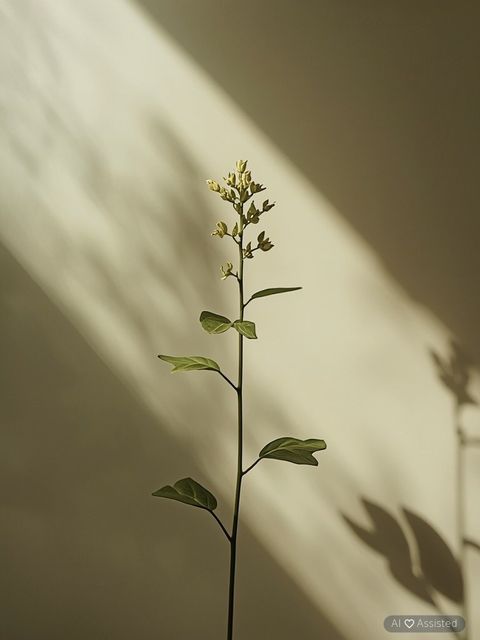
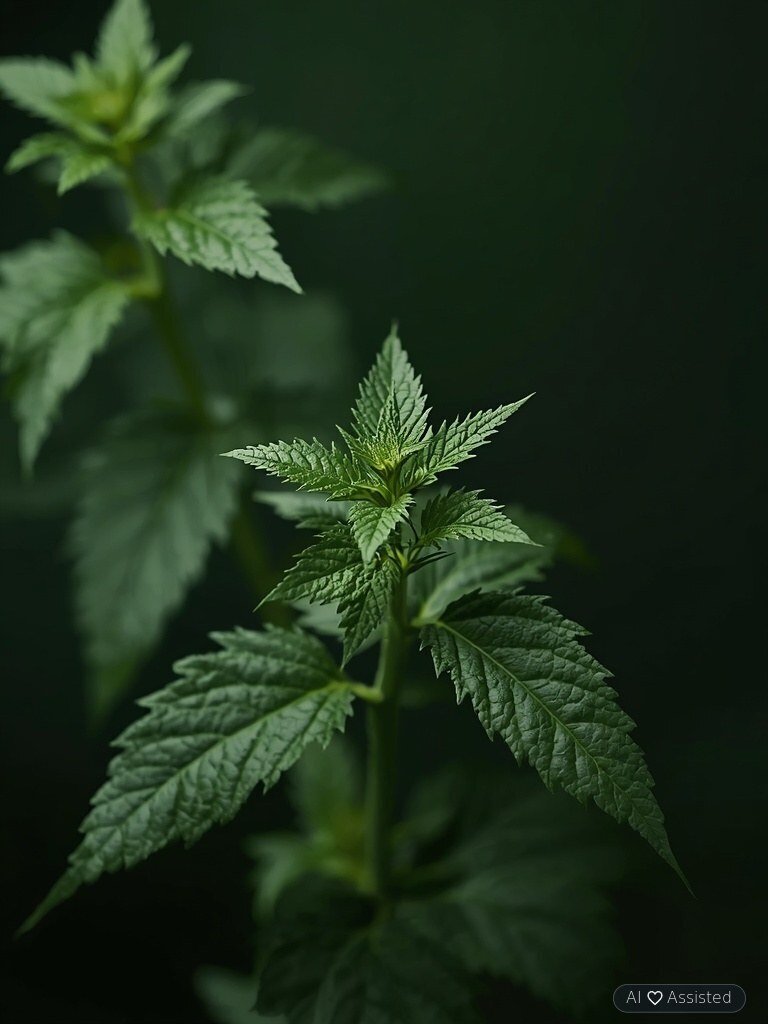
During strolls through meadows and woodlands, most people circumvent stinging nettle to avoid its fiery trichomes. Yet common stinging nettle (Urtica dioica) stands as one of the most therapeutically potent botanical treasures in phytotherapy, brimming with iron, bioavailable silicon, vitamins, and antioxidant flavonoids. This guide explores its therapeutic indications, practical recipes for juices and infusions, and its systemic role in physiological detoxication and anemia management.
Want to apply these guidelines in your daily diet?
Our smart diet generator creates a tailored meal plan in 3 minutes based on the recommendations in this article.
Nutritional and phytochemical profile of stinging nettle
Stinging nettle possesses exceptional nutritional density among wild edible herbs. Its young leaves harbor rich concentrations of iron, calcium, magnesium, potassium, and bioavailable silica, reinforcing vascular walls, skeletal bones, and dermal appendages. It serves additionally as an abundant reservoir of vitamin C, vitamin K (indispensable for healthy coagulation cascades), folate, chlorophyll, and beta-carotene. Bioactive flavonoids such as quercetin, kaempferol, and rutin endow nettle with significant radical-scavenging and anti-inflammatory capacity.
Home preparations: Freshly squeezed juice, herbal infusions, and extracts
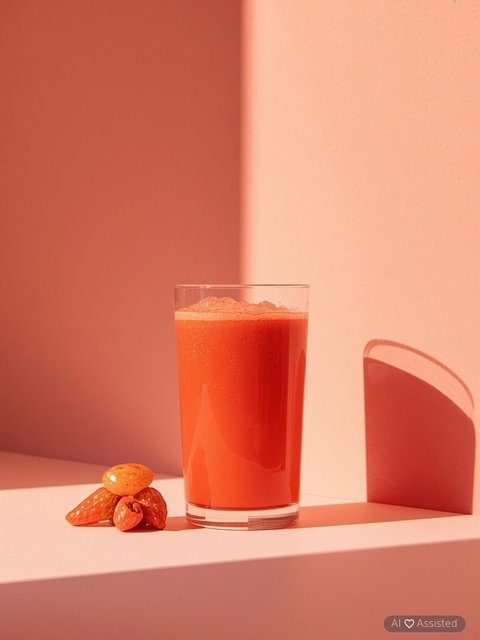
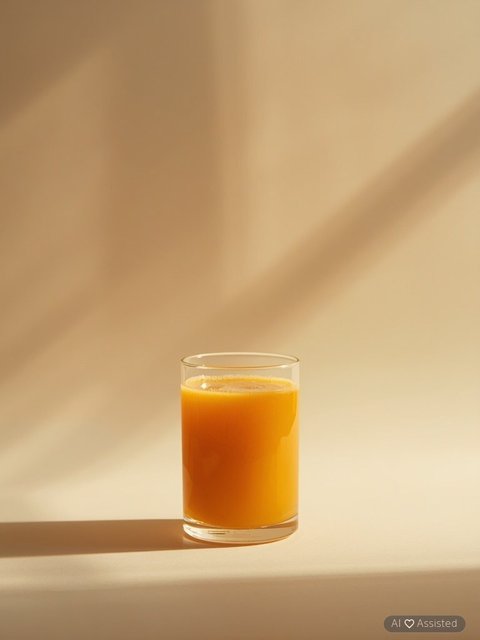
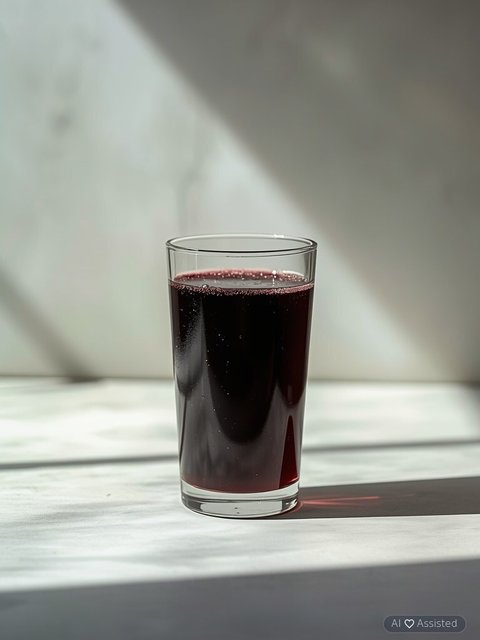
Integrating stinging nettle into home herbal practices is remarkably straightforward. The most concentrated therapeutic preparation is fresh spring sap pressed from young unblemished shoots, taken at 1-2 tablespoons daily as an invigorating natural tonic. Dried leaf infusions represent a widely accessible regimen: steeping 1 tablespoon of dried herb in freshly boiled water for 10 minutes produces a mild, cleansing diuretic tea. Furthermore, lightly blanched fresh nettle leaves can be incorporated into green smoothies, pestos, and spring vegetable soups as a nutrient-dense spinach substitute.
Diuretic action, metabolic detoxification, and anemia support
Nettle is celebrated primarily for its gentle saluretic and aquaretic diuretic activity, which promotes renal excretion of uric acid, urea, and excess sodium without depleting potassium. This property renders it valuable in the prevention of kidney stones, gout flares, and interstitial fluid retention. Simultaneously, the combination of organic iron, vitamin C, and folate stimulates bone marrow erythropoiesis, establishing nettle preparations as an exceptional nutritional adjunctive support for mild iron-deficiency anemia and fatigue.
Harvesting ethics, administration guidelines, and safety contraindications
Nettle foraging should occur exclusively in pristine habitats, far removed from automotive thoroughfares and synthetic agricultural spray zones; harvest the tender 4-6 apical leaf tiers prior to floral bloom. Despite a very favorable safety record, intensive nettle therapy is contraindicated in hormone-dependent gynecological pathologies (such as uterine fibroids or active endometriosis) and in severe congestive heart or renal failure where fluid intake is medically restricted. Individuals using diuretic or hypoglycemic medications should exercise prudence, as nettle may potentiate pharmacodynamic responses.

Anna Schmidt
✓Diets Premium Expert
Diets Premium team expert. Specializes in nutrition plans, strength sports, and training plans.
View Profile →