1 min read
Lemon Tea for Colds – Myths, Scientific Facts, and Proper Preparation Guidelines

Tim Klein
✓
Diets Premium Expert • 23.10.2026
✓
Scientifically reviewed by a clinical dietitian:
This article has been peer-reviewed for adherence to IŻŻ, WHO, and PTGiP clinical nutritional standards.
| Diets Premium Expert Tim Klein | min read 1 min | Scientifically reviewed by a clinical dietitian 23.10.2026 |
Smart Voice
•Listen to the article content live
0:00
/
0:00
Key Takeaways
Drinking piping hot tea garnished with a freshly cut lemon slice is perhaps the most universally practiced home remedy for viral colds and seasonal influenza. However, modern clinical biochemistry exposes significant scientific fallacies within this ritual. Plunging fresh lemon into boiling water causes rapid thermal denaturation of ascorbic acid, while combining citrus juice with unremoved tea leaves can leach toxic aluminum citrate into the infusion. This article details the thermolabile breakdown of vitamin C, the biochemical hazard of aluminum citrate, temperature thresholds for raw honey and ginger, and evidence-based hydration strategies during respiratory illness.
Meal Plan
Want to apply these guidelines in your daily diet?
Our smart diet generator creates a tailored meal plan in 3 minutes based on the recommendations in this article.
The scientific fallacy behind drinking hot lemon tea for colds: why it fails to deliver expected benefits
The widespread custom of drinking scalding lemon tea at the first onset of rhinorrhea and pharyngeal discomfort rests upon the conviction that an acute surge of vitamin C will arrest viral replication. However, extensive systematic reviews and clinical meta-analyses (including comprehensive Cochrane Collaboration evaluations) demonstrate that acute therapeutic administration of ascorbic acid initiated after symptoms appear does not significantly shorten illness duration or attenuate symptom severity in the general population. True immunoprotective benefits derive exclusively from consistent, year-round tissue saturation. Compounding this issue, high brewing temperatures promptly neutralize whatever ascorbic acid is introduced.
Thermolability of vitamin C: precise degradation temperatures and methods to preserve ascorbic acid bioactivity
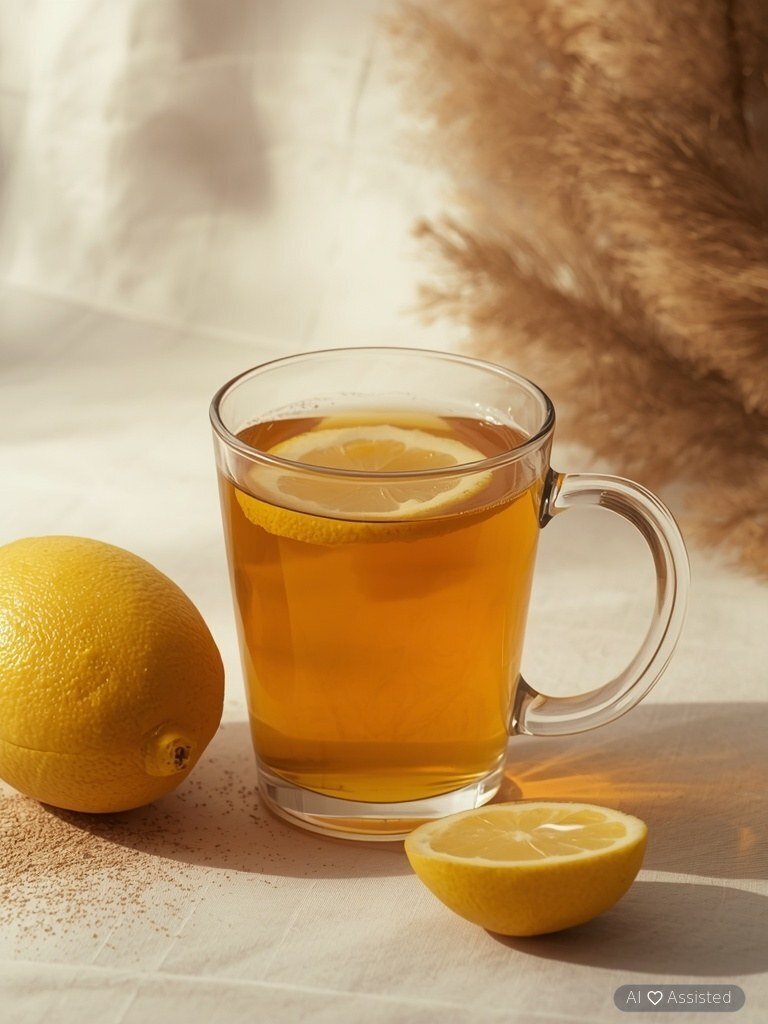
L-ascorbic acid is an inherently labile molecule vulnerable to environmental degradation from heat, oxygen, UV irradiation, and transition metal ions. Food chemistry assays demonstrate that thermal oxidation of ascorbic acid accelerates precipitously above 60°C (140°F), with over 80% to 90% of molecular potency irreversibly destroyed within seconds in boiling water (90–100°C). Consequently, submerging a lemon slice into a freshly poured mug of scalding tea oxidizes active ascorbic acid into biologically inert degradation byproducts. To safeguard its bioactivity, freshly squeezed lemon juice must only be introduced after the liquid cools below 50°C (122°F).
Aluminum citrate formation: the toxicological hazard of combining lemon with tea leaves and prevention tactics
An insidious and frequently neglected biochemical hazard involves the mobilization of aluminum from tea leaves into bioavailable solution. Camellia sinensis plants naturally bioaccumulate aluminum from acidic soils; in standard water infusions, this aluminum remains bonded in insoluble, non-absorbable colloidal complexes that pass harmlessly through the gastrointestinal tract. However, if lemon juice is introduced while tea leaves or bags are still steeping, citric acid reacts with bound aluminum to synthesize aluminum citrate. Unlike inorganic salts, aluminum citrate cross-migrates easily across intestinal enterocytes into systemic circulation, crossing the blood-brain barrier where it exerts neurotoxic and osteopathic effects. To eliminate this risk, tea leaves must be completely strained out prior to adding lemon.
Raw honey, ginger, and warming spices: temperature thresholds for preserving natural antibacterial enzymes
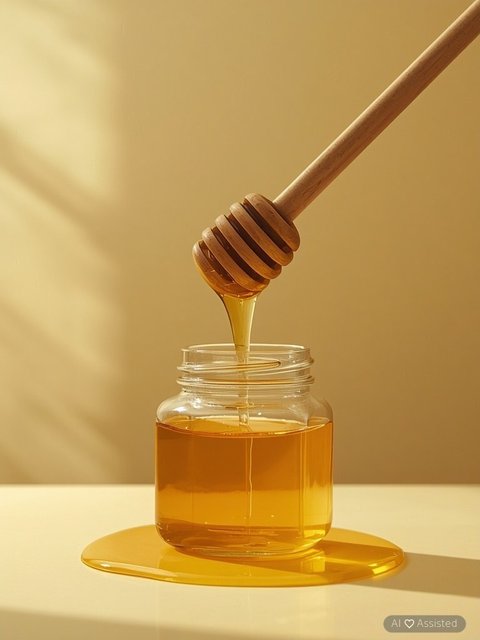
The authentic therapeutic efficacy of winter infusions resides primarily in functional botanicals: raw apicultural honey, fresh ginger rhizome, and carminative spices (cloves, cardamom, Ceylon cinnamon). Raw honey delivers potent bee-derived antibacterial enzymes (such as glucose oxidase, which synthesizes microbicidal hydrogen peroxide), lysozyme, and flavonoids. However, these delicate proteins suffer permanent thermal denaturation above 40–45°C (104–113°F). Introducing honey into steaming liquids degrades it to mere empty fructose and glucose. Conversely, fresh ginger, rich in anti-inflammatory gingerols and shogaols, benefits from gentle hot water steeping under a lid, whereas raw honey and citrus should be introduced only when the infusion reaches lukewarm, drinkable temperature.
Clinical hydration during viral infections: crafting optimal warm infusions to support mucosal defenses
The primary, clinically substantiated merit of consuming warm liquids during respiratory tract infections lies in systemic hydration and mucosal barrier humidification. Optimal fluid intake thins viscous bronchial secretions, facilitates expectoration, and preserves mucosal ciliary escalator clearance against viral pathogens. To construct the ideal therapeutic brew: steep whole tea leaves or diaphoretic herbs (linden blossom, elderberry) with freshly sliced ginger root; thoroughly strain out leaves after 5 to 7 minutes; allow the liquid to cool below 45°C (113°F); then stir in a spoonful of raw unpasteurized honey and freshly squeezed lemon juice. This protocol delivers intact ascorbic acid, viable apicultural enzymes, and soothing gingerols.

mgr Tim Klein
✓Diets Premium Expert
Diets Premium team expert. Specializes in nutrition plans, strength sports, and training plans.
View Profile →