Brazil nuts: a nutritional powerhouse from the Amazon rainforest with exceptional health benefits

| Diets Premium Expert David Janitzek | min read 3 min | Scientifically reviewed by a clinical dietitian 23.10.2026 |
Smart Voice
•Listen to the article content live
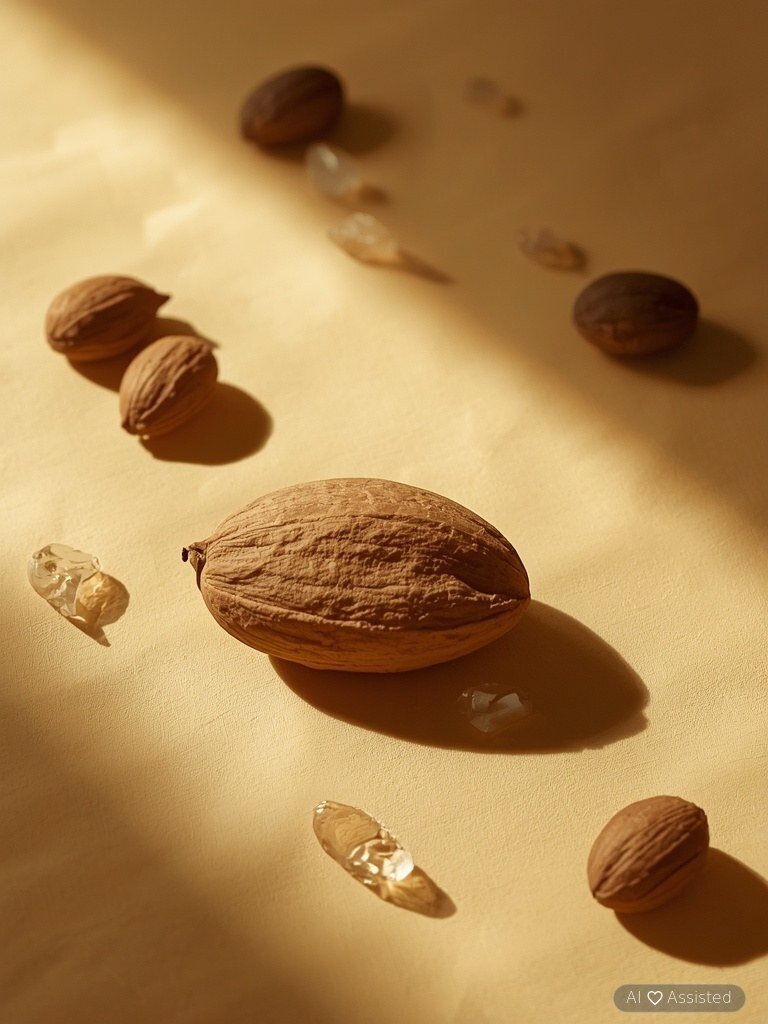
Brazil nuts represent the seeds of the towering Bertholletia excelsa tree, whose distinctive woody capsules enclose nutrient-dense seeds that are technically botanical seeds rather than true nuts. Thriving within the pristine rainforest ecosystems of the Amazon Basin, this monumental tree plays a crucial ecological role. Often dubbed "Brazilian gold" owing to their remarkable micronutrient concentration, these seeds are globally renowned as the richest natural dietary source of bioavailable selenium, delivering profound benefits for thyroid regulation, immune defense, cardiovascular health, and cellular longevity.
Want to apply these guidelines in your daily diet?
Our smart diet generator creates a tailored meal plan in 3 minutes based on the recommendations in this article.
Botanical Origin and the Ecology of the Amazon Rainforest
The Brazil nut tree (Bertholletia excelsa) is one of the true giants of the Amazon basin, reaching soaring heights of up to 50 meters and living for well over five centuries. What makes this tree biologically unique is its strict reliance on an intact primary forest habitat: attempts to cultivate Brazil nuts on commercial plantations have largely failed because pollination depends on specialized, strong long-tongued bees (notably orchid bees, Euglossini) that require undisturbed jungle canopies to survive.
Each tree produces large, woody fruit capsules resembling heavy cannonballs weighing up to two kilograms. Inside each capsule lie 10 to 25 triangular seeds protected by a hard, ridged shell. The forest agouti, a large rodent with powerful incisors, is the primary species capable of gnawing through these capsules, burying forgotten seeds that later germinate. As a consequence, nearly all commercially available Brazil nuts originate from wild-harvested trees, directly linking their trade to the economic incentive to preserve primary Amazonian rainforests.
Comprehensive Nutritional Profile: Healthy Fats and Micronutrients
Brazil nuts possess an exceptional nutrient density. A 100-gram serving provides roughly 656 to 680 kilocalories, primarily derived from their substantial lipid fraction of approximately 66 percent. From a clinical nutrition standpoint, this lipid profile is remarkably favorable:
- Monounsaturated fatty acids (MUFA): Approximately 24 grams, predominantly oleic acid, which supports a favorable lipoprotein balance.
- Polyunsaturated fatty acids (PUFA): Roughly 20 grams, consisting primarily of linoleic acid (essential omega-6).
- Plant protein: Around 14 grams per 100 grams, enriched in sulfur-containing amino acids such as methionine and cysteine.
- Dietary fiber: Approximately 7 to 8 grams, aiding gastrointestinal motility and promoting satiety.
Beyond their macronutrient composition, Brazil nuts supply significant concentrations of vital minerals, including magnesium (critical for neuromuscular function and glucose metabolism), phosphorus, copper, and zinc. They also provide notable amounts of vitamin E (alpha-tocopherol), a potent lipid-soluble antioxidant that protects cell membranes from peroxidation.
Health Benefits: Thyroid Function, Cardiovascular Health, and Immunity
Consistent, moderate intake of Brazil nuts yields documented therapeutic and preventive benefits across several major physiological pathways:
- Thyroid Regulation: The thyroid gland harbors the highest concentration of selenium per gram of tissue in the human body. Selenium serves as an obligatory cofactor for iodothyronine deiodinases, the enzymes responsible for activating thyroxine (T4) into bioactive triiodothyronine (T3). Furthermore, selenium status is pivotal in mitigating inflammatory damage in autoimmune thyroid disorders, including Hashimoto's thyroiditis.
- Cardiovascular Health: Clinical studies have demonstrated that consuming modest amounts of Brazil nuts favorably modulates lipid profiles, reducing low-density lipoprotein (LDL) oxidation, dampening systemic inflammation, and supporting microvascular endothelial function.
- Male Reproductive Health: Selenium is critical for the structural integrity of spermatozoa, notably incorporated into the capsule of the sperm midpiece as selenoprotein GPX4. Adequate intake is strongly correlated with enhanced sperm motility and viability.
- Cellular Defense and Immunocompetence: By integrating into glutathione peroxidases, selenium bolsters the enzymatic antioxidant network, neutralizes harmful free radicals, and supports cell-mediated immune responses.
The Selenium Paradox: Safe Dosing and Preventing Selenosis
While Brazil nuts offer unparalleled nutritional benefits, their consumption requires prudence due to their uniquely high selenium content. The roots of Bertholletia excelsa absorb selenium compounds with remarkable efficiency from Amazonian soils, resulting in nuts that individually contain anywhere from 50 to over 250 micrograms of selenium.
International health authorities (such as the EFSA and the US Institute of Medicine) establish the recommended dietary allowance (RDA) for adult selenium intake at approximately 55 to 70 micrograms daily, with a tolerable upper intake level (UL) established at 300 to 400 micrograms per day. Habitual excessive consumption carries a real risk of selenosis (selenium toxicity), characterized by:
- Garlic-like breath odor (caused by volatile dimethyl selenide excretion)
- Brittle, ridged fingernails and accelerated hair loss
- Gastrointestinal disturbances, including nausea and abdominal cramping
- Neurological symptoms such as paresthesias, fatigue, and irritability
From an evidence-based clinical perspective, consuming just 1 to 2 Brazil nuts per day is optimal and sufficient to maintain healthy plasma selenium levels and glutathione peroxidase activity, while safeguarding against toxic excess. Consumers taking selenium supplements should account for Brazil nuts in their daily micronutrient totals.

mgr David Janitzek
✓Diets Premium Expert
Diets Premium team expert. Specializes in nutrition plans, strength sports, and training plans.
View Profile →