Pumpkin Seeds – Evidence-Based Natural Prevention and Nutritional Support for Prostate Health

Anna Schmidt
Anna Schmidt ✓
Diets Premium Expert • 23.10.2026
✓
Scientifically reviewed by a clinical dietitian: This article has been peer-reviewed for adherence to IŻŻ, WHO, and PTGiP clinical nutritional standards.
Diets Premium Expert Anna Schmidt min read 3 min Scientifically reviewed by a clinical dietitian 23.10.2026
Pumpkin Seeds – Evidence-Based Natural Prevention and Nutritional Support for Prostate Health

Smart Voice

•

Listen to the article content live

0:00 / 0:00
Key Takeaways

The autumn and winter harvest season offers an ideal opportunity to harness the dense nutritional profile of pumpkin (Cucurbita pepo) and its seeds. Regular dietary intake of pumpkin flesh and raw pumpkin seeds mitigates inflammatory skin conditions, strengthens hair and nail keratin, supports natural defense against intestinal parasites, and—thanks to a rich matrix of delta-7-phytosterols, bioavailable zinc, selenium, and tocopherols—plays a vital clinical role in preventing benign prostatic hyperplasia (BPH) and supporting male urogenital health.

Meal Plan

Want to apply these guidelines in your daily diet?

Our smart diet generator creates a tailored meal plan in 3 minutes based on the recommendations in this article.

What Does Pumpkin Flesh Contain? Vitamins, Beta-Carotene, and Digestible Fiber

Pumpkin flesh is an exceptionally low-calorie, easily digestible vegetable (~26–30 kcal per 100 g) worthy of a permanent place in everyday nutrition. Its vibrant orange hue reflects a high concentration of carotenoids—chiefly beta-carotene (provitamin A), alpha-carotene, lutein, and zeaxanthin. Enzymatically cleaved into retinal and retinoic acid in the human body, beta-carotene is indispensable for scotopic vision, mucosal barrier integrity, immune defense, and healthy skin, hair, and nails. Selecting pumpkins with deep, saturated orange flesh ensures maximum carotenoid density.

  • Vitamin and mineral spectrum: pumpkin supplies B-complex vitamins—including thiamine (B1), riboflavin (B2), niacin (B3/PP), and folate (vitamin B9, historically termed vitamin B11), which supports erythropoiesis and prevents megaloblastic anemia—alongside vitamin C, lipid-soluble vitamin E, potassium, magnesium, and phosphorus.
  • Gastrointestinal gentleness and weight management: rich in soothing pectins and gentle cellulose fiber, cooked pumpkin supports healthy bowel motility and satiety, making it ideal for weight-loss regimens and sensitive digestive tracts.

Pumpkin Seeds – A Powerhouse of Zinc, Magnesium, Iron, and Essential Fatty Acids

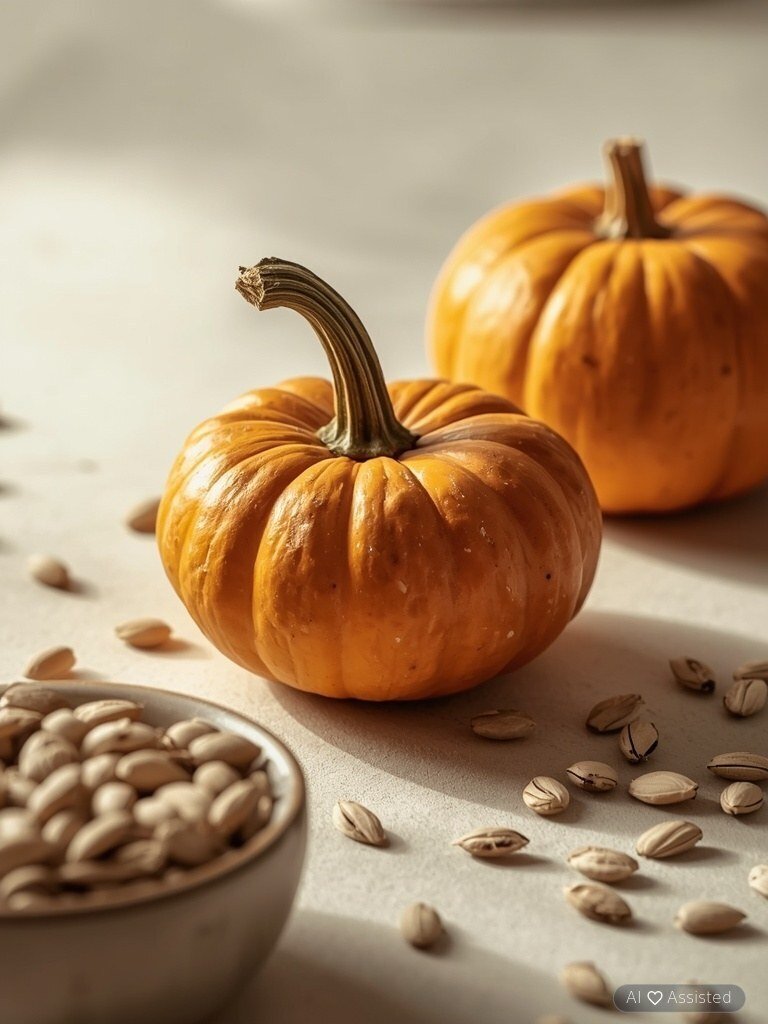
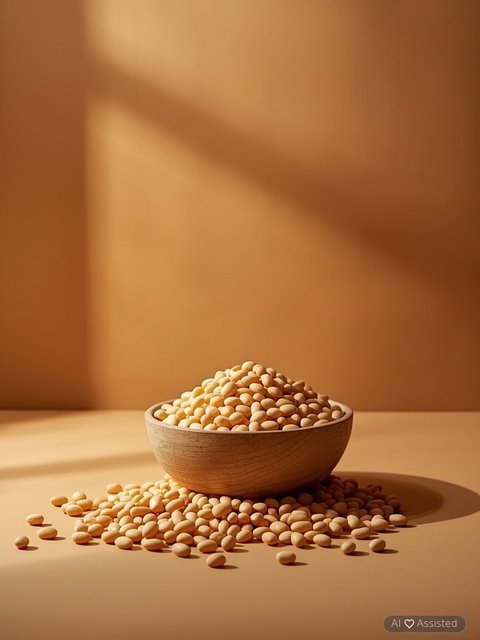
Pumpkin seeds (particularly hull-less styrian oil pumpkin seeds, Cucurbita pepo var. styriaca) rank among the most mineral-dense functional foods in nature. A 100 g portion provides 500–550 mg of magnesium (approx. 140–150% of the adult daily reference intake), ~1,150–1,200 mg of phosphorus, 7.5–10 mg of bioavailable zinc (covering 70–90% of daily requirements for women and men), and 8–9 mg of non-heme iron, making them an invaluable staple for plant-based and vegetarian diets.

  • Dermatological and immune benefits of zinc: acting as a structural and catalytic cofactor for over 300 enzymes, zinc accelerates wound healing, regulates sebaceous gland activity in acne vulgaris, inhibits telogen hair shedding, and reinforces nail plate integrity.
  • Cardioprotective unsaturated fatty acids: comprising 45–50% lipid content dominated by polyunsaturated linoleic acid and monounsaturated oleic acid, pumpkin seeds support cell membrane fluidity, facilitate fat-soluble vitamin transport, reduce atherogenic LDL cholesterol, and protect against atherosclerosis.
  • Antiparasitic cucurbitacin: raw pumpkin seeds supply cucurbitacin, a bioactive tetracyclic triterpene that paralyzes the neuromuscular attachment of intestinal helminths without harming the human host.

Pumpkin Seeds and Pumpkin Seed Oil for the Prostate – Phytosterols and BPH Prevention

Men in particular benefit from incorporating raw pumpkin seeds and cold-pressed pumpkin seed oil into their daily diet, as both are clinically recognized phytotherapeutic agents for preventing and alleviating lower urinary tract symptoms (LUTS) associated with benign prostatic hyperplasia (BPH) and chronic non-bacterial prostatitis.

Their protective action on the prostate gland operates through two primary biochemical mechanisms:

  • Prostatic zinc and selenium accumulation: healthy prostatic tissue concentrates higher levels of zinc than any other soft tissue in the male body. Zinc is essential for Leydig cell testosterone synthesis, spermatogenesis, sperm motility, and antimicrobial defense within prostatic fluid. Consuming a daily 30 g handful (approx. 2 tablespoons) of pumpkin seeds replenishes bioavailable zinc and selenium, counteracting prostatic inflammation and oxidative stress.
  • Delta-7-phytosterols and 5-alpha-reductase inhibition: pumpkin seeds and cold-pressed pumpkin seed oil are uniquely rich in delta-7-sterols (avenasterol and spinasterol) alongside beta-sitosterol. These phytosterols competitively inhibit the enzyme 5-alpha-reductase, curbing the intraprostatic conversion of testosterone into dihydrotestosterone (DHT)—the primary androgenic driver of stromal and epithelial hyperplasia in BPH. In synergy with gamma-tocopherol (vitamin E), phytosterols also relax bladder neck smooth muscle, improving urinary flow rate and reducing nocturia and residual urine volume.

To preserve heat-sensitive delta-7-sterols and polyunsaturated fatty acids, cold-pressed pumpkin seed oil should always be used uncooked (1–2 teaspoons daily drizzled over salads, soups, or whole grains).

Anna Schmidt

Anna Schmidt

✓

Diets Premium Expert

Diets Premium team expert. Specializes in nutrition plans, strength sports, and training plans.

View Profile →
Recommended articles in this category

Related Articles

Discover similar publications and expert insights.

Brazil nuts: a nutritional powerhouse from the Amazon rainforest with exceptional health benefits
Food & Ingredients
Brazil nuts: a nutritional powerhouse from the Amazon rainforest with exceptional health benefits
⏱ 3 min czytania 📚 Food & Ingredients
#Health Benefits #Nutrient-Dense
Cocoa butter: characteristics, effects, and versatile applications across multiple industrial sectors
Food Science
Cocoa butter: characteristics, effects, and versatile applications across multiple industrial sectors
⏱ 3 min czytania 📚 Food Science
#Dermatological #Industrial
Black cumin seed oil – health properties, management of acne, allergies, and hair care
Dietary Supplementation
Black cumin seed oil – health properties, management of acne, allergies, and hair care
⏱ 5 min czytania
#Dietary Supplementation #Dermatological
Almond seeds: characteristics and distinctions between sweet and bitter cultivars
Food & Ingredients
Almond seeds: characteristics and distinctions between sweet and bitter cultivars
⏱ 2 min czytania 📚 Food & Ingredients
#Confectionery #Almond Flour
Peanuts (Arachis hypogaea): Botanical Classification, Nutritional Profile, and Health Benefits
Food & Ingredients
Peanuts (Arachis hypogaea): Botanical Classification, Nutritional Profile, and Health Benefits
⏱ 2 min czytania 📚 Food & Ingredients
#Versatile Ingredient #Confectionery
Bitter apricot kernels – amygdalin, cyanide poisoning risk, EFSA safety limits, and clinical oncology consensus
Food & Ingredients
Bitter apricot kernels – amygdalin, cyanide poisoning risk, EFSA safety limits, and clinical oncology consensus
⏱ 5 min czytania 📚 Food & Ingredients
#Apricot #Seeds
Tahini Paste Explained: Characteristics, Pricing, and Where to Buy. How to Make Sesame Paste and Its Culinary Uses
Food & Ingredients
Tahini Paste Explained: Characteristics, Pricing, and Where to Buy. How to Make Sesame Paste and Its Culinary Uses
⏱ 4 min czytania 📚 Food & Ingredients
#Culinary Traditions #Culinary Uses
Barley-based morning meals – why they are ideal for colder seasons
Food & Ingredients
Barley-based morning meals – why they are ideal for colder seasons
⏱ 3 min czytania 📚 Food & Ingredients
#Complex Carbohydrates #Nutrient-Dense
Actinomycosis – What It Is, Causes, Symptoms, and Treatment of Bacterial Infection
Dermatological
Actinomycosis – What It Is, Causes, Symptoms, and Treatment of Bacterial Infection
⏱ 2 min czytania
#Dermatological
Phototherapy – Indications, Contraindications, Biostimulation and Effects
Dermatological
Phototherapy – Indications, Contraindications, Biostimulation and Effects
⏱ 3 min czytania
#Dermatological
Low-salicylate (aspirin-sensitive) diet: fundamental guidelines, indications, and permitted foods
Health Benefits
Low-salicylate (aspirin-sensitive) diet: fundamental guidelines, indications, and permitted foods
⏱ 4 min czytania
#Health Benefits #Analgesic
What are tannins? The role of tannins in cosmetics
Beauty / Skin / Hair
What are tannins? The role of tannins in cosmetics
⏱ 3 min czytania 📚 Beauty / Skin / Hair
#Dermatological
Psoriasis – Clinical Characteristics, Subtypes, Symptoms, and the Role of an Anti-Inflammatory Diet
Nutritional Science
Psoriasis – Clinical Characteristics, Subtypes, Symptoms, and the Role of an Anti-Inflammatory Diet
⏱ 9 min czytania 📚 Nutritional Science
#Dietary Patterns #Dietary Changes
Garlic as a Functional Therapeutic Agent: Cardiovascular Protection, Immune Modulation, and Hepatobiliary Support
Blood Pressure Regulation
Garlic as a Functional Therapeutic Agent: Cardiovascular Protection, Immune Modulation, and Hepatobiliary Support
⏱ 3 min czytania
#Blood Pressure Regulation #Traditional Medicine
Sea buckthorn oil – bioactive properties and practical applications in health and cosmetics
Culinary Traditions
Sea buckthorn oil – bioactive properties and practical applications in health and cosmetics
⏱ 3 min czytania
#Culinary Traditions #Dermatological
Bergamot essential oil – pharmacological profile, therapeutic mechanisms, and practical uses in aromatherapy and cosmetics
Dermatological
Bergamot essential oil – pharmacological profile, therapeutic mechanisms, and practical uses in aromatherapy and cosmetics
⏱ 2 min czytania
#Dermatological #Citrus
Drugstore vs. Natural Cosmetics: Key Differences in Ingredients, Skin Barrier Impact, and Efficacy
Dermatological
Drugstore vs. Natural Cosmetics: Key Differences in Ingredients, Skin Barrier Impact, and Efficacy
⏱ 4 min czytania
#Dermatological
Cutaneous pigmentation irregularities: origins and contemporary removal techniques
Dermatological
Cutaneous pigmentation irregularities: origins and contemporary removal techniques
⏱ 5 min czytania
#Dermatological #Strategy
Telangiectasias on the Lower Extremities – Evidence-Based Home Interventions and Vascular Reinforcement: A Comprehensive Guide
Women's Health
Telangiectasias on the Lower Extremities – Evidence-Based Home Interventions and Vascular Reinforcement: A Comprehensive Guide
⏱ 4 min czytania
#Women's Health #Dermatological
Vitamin E Deficiency and Excess: Dietary Sources, Antioxidant Mechanisms, and Toxicity Risks
Public Health
Vitamin E Deficiency and Excess: Dietary Sources, Antioxidant Mechanisms, and Toxicity Risks
⏱ 3 min czytania
#Public Health #Dermatological
Acne Across the Lifespan: Neonatal to Adult Forms – Etiopathogenesis, Gut-Skin Axis, and Dietary Interventions
Pregnancy & Motherhood
Acne Across the Lifespan: Neonatal to Adult Forms – Etiopathogenesis, Gut-Skin Axis, and Dietary Interventions
⏱ 4 min czytania 📚 Pregnancy & Motherhood
#Dermatological #Antibiotic
Hypothyroidism and Fat Loss: Metabolic Deceleration Mechanisms and Evidence-Based Dietary Strategies
Hypothyroidism
Hypothyroidism and Fat Loss: Metabolic Deceleration Mechanisms and Evidence-Based Dietary Strategies
⏱ 3 min czytania
#Hypothyroidism #Fat Loss
Azadirachta indica (Neem): Azadirachtin Phytochemistry, Dermatology, and Antimicrobial Efficacy
Dermatological
Azadirachta indica (Neem): Azadirachtin Phytochemistry, Dermatology, and Antimicrobial Efficacy
⏱ 4 min czytania
#Dermatological #Antiviral
The utilization of the blue facelia... The seeds of the facelia
Medicinal Properties Of Honey
The utilization of the blue facelia... The seeds of the facelia
⏱ 2 min czytania
#Medicinal Properties Of Honey #Plant Cultivation
Beans – Properties, Nutritional Value, Recipes… How to Cook Beans?
Nutritional Value
Beans – Properties, Nutritional Value, Recipes… How to Cook Beans?
⏱ 6 min czytania
#Nutritional Value #Beans
GAC – Characteristics and Uses of the Gourd Family Fruit
Seeds
GAC – Characteristics and Uses of the Gourd Family Fruit
⏱ 3 min czytania
#Seeds #Tropical
Mustard Seeds – Medical Applications, Mustard Oil, Mustard Production
Mustard Plant Applications
Mustard Seeds – Medical Applications, Mustard Oil, Mustard Production
⏱ 6 min czytania
#Mustard Plant Applications #Seeds
Sesame – varieties, characteristics, application, guidelines
Health Benefits
Sesame – varieties, characteristics, application, guidelines
⏱ 3 min czytania
#Health Benefits #Sesame Seeds
Plant Sprouts – Types, Uses, Nutritional Benefits, and Health Gains from Consumption
Nutritional Benefits
Plant Sprouts – Types, Uses, Nutritional Benefits, and Health Gains from Consumption
⏱ 3 min czytania
#Nutritional Benefits #Nutritional Values
Fenugreek – Medicinal Effects, Side Effects. How to Use Fenugreek?
Seeds
Fenugreek – Medicinal Effects, Side Effects. How to Use Fenugreek?
⏱ 4 min czytania
#Seeds

Share