Bitter apricot kernels – amygdalin, cyanide poisoning risk, EFSA safety limits, and clinical oncology consensus

| Diets Premium Expert Katarzyna Mazur | min read 5 min | Scientifically reviewed by a clinical dietitian 23.10.2026 |

Smart Voice
•Listen to the article content live
Bitter apricot kernels (the seeds extracted from the stones of Prunus armeniaca L.) are the subject of serious toxicological warnings from international health authorities. Despite being marketed by alternative medicine vendors as a source of so-called “vitamin B17” for cancer prevention, scientific evidence tells a very different story.
In reality, bitter apricot kernels contain high concentrations of amygdalin—a cyanogenic glycoside that undergoes enzymatic hydrolysis in the human digestive tract to release lethally toxic hydrogen cyanide (HCN). What is the biochemical mechanism of cyanide toxicity, what strict intake limits have been established by the European Food Safety Authority (EFSA), and what is the consensus of clinical oncology?
Want to apply these guidelines in your daily diet?
Our smart diet generator creates a tailored meal plan in 3 minutes based on the recommendations in this article.
Bitter and sweet apricot kernels – botanical characteristics
The apricot tree (Prunus armeniaca L.) is a perennial fruit species belonging to the rose family (Rosaceae), native to Central and Eastern Asia and widely cultivated across Mediterranean and temperate regions. Inside the fleshy, beta-carotene-rich fruit lies a hard woody stone (endocarp) enclosing an almond-shaped seed known as the apricot kernel.
Depending on the cultivar, two distinct types of apricot kernels exist:
- Sweet apricot kernels: harvested from domesticated sweet cultivars, characterized by a mild nutty flavor and negligible levels of cyanogenic glycosides.
- Bitter apricot kernels: obtained primarily from wild or specific processing apricot varieties; they possess a sharply bitter taste due to high concentrations of amygdalin (often 3–6% of dry kernel weight), posing a direct risk of cyanide intoxication.
Amygdalin and the “vitamin B17” myth – how bitter apricot kernels release hydrogen cyanide
Bitter apricot kernels, much like bitter almonds, contain high levels of amygdalin—a cyanogenic glycoside first isolated in 1830 by Pierre Robiquet and Antoine Boutron-Charlard. In the 1950s, amygdalin and its semi-synthetic derivative laetrile were misleadingly marketed under the misnomer “vitamin B17.”
From a biochemical and medical standpoint, amygdalin is not a vitamin: it is neither essential for human physiology nor involved in any physiological coenzyme pathway, and no deficiency state exists.
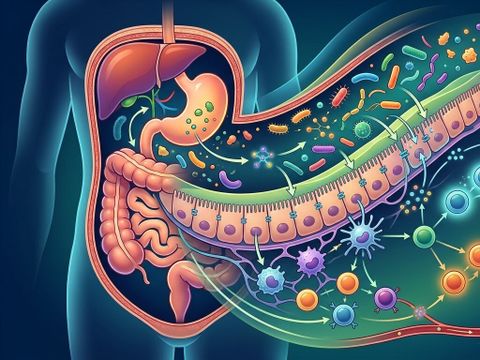
When bitter apricot kernels are chewed and ingested, the enzyme beta-glucosidase (present both within the crushed seed tissue and synthesized by human gut microbiota) catalyzes the enzymatic hydrolysis of amygdalin into:
- two molecules of D-glucose,
- one molecule of benzaldehyde,
- one molecule of hydrogen cyanide (HCN)—a rapidly absorbed, potent cellular poison.
EFSA and public health warnings – Acute Reference Dose (ARfD) and strict intake limits
Both the European Food Safety Authority (EFSA) and national food safety agencies strongly advise against consuming bitter apricot kernels. EFSA’s Scientific Panel on Contaminants in the Food Chain established a strict Acute Reference Dose (ARfD) for cyanide at 20 µg/kg of body weight.
Given the high cyanogenic potential of bitter apricot kernels (averaging approximately 0.5 mg of releasable cyanide per kernel, and reaching up to 3.8 mg/g in certain batches), strict toxicological thresholds apply:
- Adults: the maximum amount that can be ingested without exceeding the EFSA ARfD is 1–2 small bitter apricot kernels per day (or less than half of a large kernel). Eating just 3 small kernels already surpasses the safe acute reference dose.
- Children, pregnant women, and breastfeeding mothers: bitter apricot kernels are strictly contraindicated; in young children, consuming even a single small kernel exceeds the ARfD severalfold, and ingesting a few kernels can be fatal.
- European Union legal limits: Commission Regulation (EU) 2017/1237 established a maximum statutory limit of 20 mg/kg of hydrocyanic acid in unprocessed whole, ground, milled, cracked, or chopped apricot kernels placed on the market for final consumers.
Bitter apricot kernels – side effects and clinical symptoms of cyanide poisoning
The acute toxicity of hydrogen cyanide stems from the high affinity of cyanide ions (CN-) for the ferric iron (Fe3+) center of mitochondrial cytochrome c oxidase (Complex IV of the electron transport chain). Inhibiting this enzyme halts cellular aerobic respiration, preventing tissues from utilizing arterial oxygen and precipitating rapid histotoxic hypoxia and severe lactic acidosis.
The central nervous system and myocardium are the organs most vulnerable to ATP depletion:
- Mild to moderate intoxication symptoms: throbbing headache, dizziness, mucosal irritation, nausea, vomiting, abdominal cramping, anxiety, tachycardia, and hyperventilation (shortness of breath).
- Severe intoxication symptoms: confusion, hypotension, cardiac arrhythmias, generalized seizures, loss of consciousness, coma, and fatal respiratory arrest (the human lethal oral dose of hydrogen cyanide ranges from 0.5 to 3.5 mg/kg of body weight).
- Chronic exposure risks: repeated ingestion of sublethal cyanide doses can induce optic neuropathy, peripheral demyelination, and hypothyroidism due to elevated serum thiocyanates inhibiting thyroidal iodide uptake.
Bitter apricot kernels and cancer – expert consensus in clinical oncology
Despite aggressive online marketing by alternative supplement vendors (who sometimes recklessly advocate eating dozens of kernels daily), the consensus of modern clinical oncology and evidence-based medicine (EBM) is unequivocal:
- Lack of clinical anticancer efficacy in humans: clinical trials conducted by the U.S. National Cancer Institute (NCI) and systematic reviews by the Cochrane Collaboration have demonstrated that amygdalin (laetrile) produces no tumor regression, no prolongation of survival, and no clinical benefit in cancer patients.
- High risk of life-threatening cyanide toxicity: clinical trials and poison control registries have documented numerous cases of severe and fatal cyanide poisoning following oral ingestion of bitter apricot kernels or amygdalin preparations—particularly when co-ingested with high-dose vitamin C or raw plant foods containing active beta-glucosidase enzymes.
In conclusion, bitter apricot kernels are neither an effective preventative nor a therapeutic agent against cancer, and consuming more than 1–2 small kernels in adults carries an unacceptable risk of acute cyanide poisoning.

Katarzyna Mazur
✓Diets Premium Expert
Diets Premium team expert. Specializes in nutrition plans, strength sports, and training plans.
View Profile →