Fenugreek (Trigonella foenum-graecum) – a Mediterranean herb with nutritional and therapeutic potential
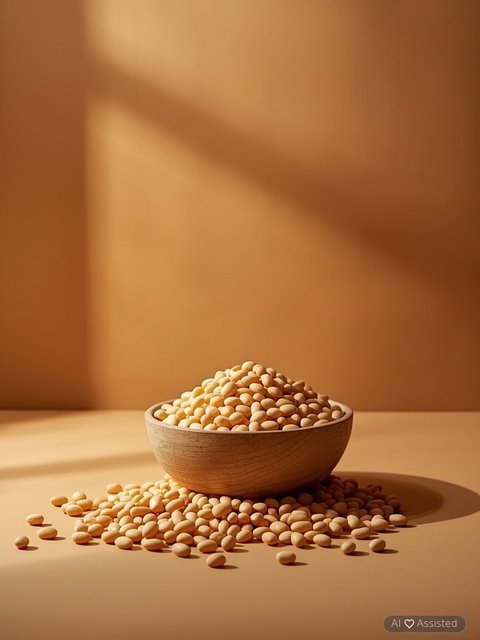
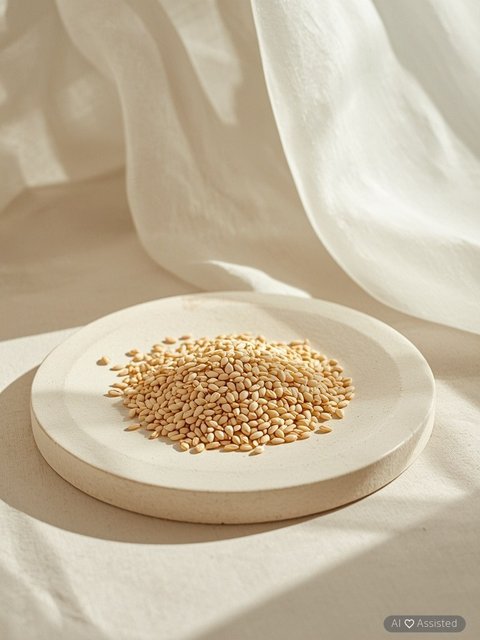
Fenugreek (*Trigonella foenum-graecum* L.), an annual herbaceous species within the legume family (Fabaceae), is variously referred to as Greek hay, goat’s horn, trigonella, or divine herb across different cultural contexts. Indigenous to the Mediterranean basin, where it thrives in wild habitats, this plant has been systematically cultivated throughout Asia and Europe primarily as a high-nutrient forage crop. Its exceptional composition—marked by elevated levels of complete proteins, an array of vitamins, and essential minerals—renders it an indispensable ingredient in livestock feed formulations. Botanically, fenugreek is distinguished by its elongated pods, measuring between 15 and 20 centimeters in length, each encapsulating approximately fifteen rhomboid-shaped seeds of a yellowish-brown hue and a potent, aromatic profile. These seeds, densely packed with pharmacologically active compounds, serve as the primary botanical material employed in both herbal medicine and culinary traditions worldwide.
Therapeutic applications of fenugreek (*Trigonella foenum-graecum*) in natural medicine and hair care
The seeds of fenugreek (*Trigonella foenum-graecum*) represent a rich source of bioactive compounds, including mucilaginous polysaccharides, flavonoid polyphenols, steroidal saponin glycosides, phytosterols (such as β-sitosterol), pyrrolizidine alkaloids, and a complex of B vitamins. Its medicinal properties have been recognized since antiquity, with documented use in Ayurvedic medicine, Traditional Chinese Medicine (TCM), and by ancient Greek and Roman physicians. Today, fenugreek is widely employed in dietary therapy, systemic phytotherapy, and cosmetic dermatology. Among its most significant therapeutic actions are:
• Glycemic regulation: reduction of blood glucose levels by enhancing tissue insulin sensitivity, making it a valuable adjunct in the management of insulin resistance and type 2 diabetes mellitus;
• Appetite stimulation: activation of hypothalamic hunger centers, utilized in the treatment of eating disorders such as anorexia nervosa;
• Digestive support: carminative (anti-flatulent) and mild laxative effects due to soluble fiber content, beneficial for chronic constipation and irritable bowel syndrome;
• Anti-inflammatory and wound-healing properties: topical application of seed poultices accelerates granulation tissue formation in cases of leg ulcers, furuncles (boils), and post-traumatic edema;
• Expectorant and demulcent actions: soothing irritation of the mucosal lining in the throat and bronchi during upper respiratory tract infections;
• Lactation enhancement: increased milk production in nursing mothers through modulation of prolactin, the lactogenic hormone;
• Antiproliferative effects: potential reduction in colorectal cancer risk due to diosgenin content—a phytoestrogen with documented cytoprotective properties;
• Immune modulation: strengthening of defense mechanisms against bacterial and viral pathogens via the immunomodulatory effects of polyphenols;
• Neuroprotection: potential deceleration of neurodegenerative disease progression, such as Alzheimer’s disease, through inhibition of beta-amyloid accumulation.
In cosmetology, fenugreek has gained prominence primarily as a hair-root-strengthening agent and inhibitor of hair loss. Regular application of an aqueous seed extract (3 tablespoons of ground seeds steeped in 150 ml of boiling water, simmered for 10 minutes, cooled, and strained) massaged into the scalp for 2 hours prior to washing—performed once weekly—may yield visible improvements in hair density within 4–6 weeks of consistent use. However, it is important to note that the extract’s distinctive, earthy odor may persist in the hair for several days, making treatment most practical on non-working days. The prepared mixture can be stored in an airtight container in the refrigerator for up to 7 days, provided there are no visible signs of spoilage (discoloration, sediment formation, or off-odors).
Natural fenugreek-based remedy for hair strengthening and loss reduction
Were you aware that the seeds of fenugreek (Trigonella foenum-graecum) may serve as an effective aid in combating excessive hair shedding and weakening? To prepare this homemade remedy, three level tablespoons of finely ground fenugreek seeds should be combined with approximately 150 milliliters of pure water, brought to a boil, and then allowed to cool before being thoroughly strained. The resulting liquid should be methodically massaged into both the scalp and the hair strands, left to act for roughly two hours prior to the scheduled washing. Consistent application of this treatment—just once per week—can yield noticeable improvements after as little as four weeks of continuous use. It is important to note, however, that the preparation possesses a distinct, potent aroma that may linger in the hair for an extended period; for this reason, it is advisable to perform the procedure on days free from professional or social obligations. Any excess mixture may be stored in an airtight container under refrigeration, though it should not be kept for longer than seven days from the date of preparation to preserve its active properties.
Comprehensive guide to utilizing fenugreek seeds in culinary and cosmetic applications
Fenugreek seeds (*Trigonella foenum-graecum*) exhibit remarkable versatility in both culinary and cosmetic applications. For internal use, they may be consumed as infusions, extracts, spice blend components, or incorporated into a diverse array of global dishes—including traditional seasoning mixtures such as Bengal’s *panch phorn* or various curry powder formulations. Their distinct flavor profile pairs exceptionally well with fermented vegetables, pungent *chutney* sauces, legume-based preparations like *falafel*, confectioneries such as *halva*, robust soups, fish courses, potato-based dishes, and tomato-centric recipes. Additionally, fenugreek seeds can be brewed into a digestive-stimulating decoction, recommended for consumption prior to meals as a substitute for conventional tea, to enhance gastric juice secretion and improve overall metabolic function.
Fenugreek Seed: Adverse Reactions and Health Risks Associated with Excessive Intake
Excessive or unsupervised consumption of fenugreek seeds—whether in the form of herbal infusions, extracts, or dietary supplements—carries significant risks of adverse health effects. Documented side effects include hormonal imbalances (particularly in women), potent laxative properties leading to diarrhea, allergic skin reactions such as rashes, pruritus, or urticaria, and respiratory distress manifesting as dyspnea. Of particular concern is the induction of prolonged hypoglycemia, which, if left uncorrected, may progress to seizures, permanent neurological impairment, or even loss of consciousness. In pregnant women, fenugreek has been shown to stimulate uterine contractions, thereby increasing the risk of preterm labor; its use during pregnancy is thus strictly contraindicated. Pediatric cases have reported syncope associated with rapid glucose depletion. Additionally, fenugreek compounds may interfere with thyroid function, particularly in patients undergoing hernia treatment, and alter the odor of sweat and urine in a socially disruptive manner. Potential drug interactions have also been identified, including conflicts with antidiabetic medications, anticoagulants, and immunosuppressants. Fenugreek contains allergenic proteins that, while rarely, can trigger cross-reactivity in individuals allergic to legumes such as peanuts, peas, or soybeans. Despite its well-documented benefits—such as enhancing lactation, lowering cholesterol levels, and improving skin and hair health—fenugreek should be consumed in moderation and under professional guidance. Any adverse reactions warrant immediate discontinuation of use and consultation with a healthcare provider.