Seeds of Spanish Medicinal Sage: A Potent Source of Omega-3 Fatty Acids and Antioxidative Compounds

| Diets Premium Expert Laura Schneider | min read 2 min | Scientifically reviewed by a clinical dietitian 23.10.2026 |
Smart Voice
•Listen to the article content live
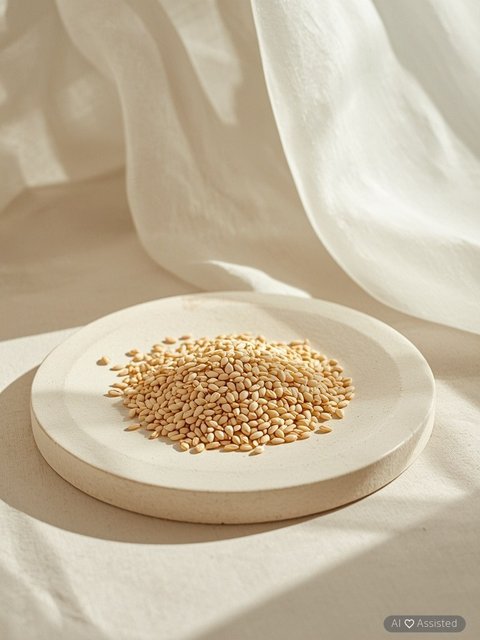
Salvia hispanica, universally recognized as chia, represents one of nature's most concentrated terrestrial reservoirs of essential alpha-linolenic acid (ALA, omega-3) and bioactive polyphenol antioxidants. Historically revered as a cornerstone food of Mesoamerican cultures, contemporary nutritional science confirms its profound efficacy in mitigating systemic inflammation, conferring cardioprotection, and scavenging free radicals. This clinical review details the lipid biochemistry, oxidative stability, and evidence-based daily intake guidelines for chia seeds.
Want to apply these guidelines in your daily diet?
Our smart diet generator creates a tailored meal plan in 3 minutes based on the recommendations in this article.
Lipid profile of chia seeds: alpha-linolenic acid (ALA) in inflammation mitigation
Lipids constitute approximately 30% to 34% of chia seeds by dry weight, with alpha-linolenic acid (ALA, 18:3 n-3) comprising over 60% of total fatty acids. In stark contrast to conventional seed oils, chia exhibits an extraordinarily favorable dietary omega-6 to omega-3 ratio of approximately 1:3, counteracting the pro-inflammatory 15:1 to 20:1 imbalance typical of modern Western diets.
Physiological and biochemical mechanisms of chia-derived ALA include:
- Down-regulation of inflammatory cascades: Serves as an upstream substrate for anti-inflammatory eicosanoids, suppressing nuclear factor kappa B (NF-kB) activation and decreasing circulating TNF-alpha, IL-6, and hs-CRP.
- Cardiovascular and endothelial protection: Clinically proven to reduce serum triglycerides and small dense LDL particles while enhancing nitric oxide-mediated flow-dependent vasodilation.
- Endogenous EPA synthesis: Although human elongation and desaturation of ALA to docosahexaenoic acid (DHA) remains constrained, consistent chia consumption substantially elevates plasma phospholipid eicosapentaenoic acid (EPA) titers.
Potent antioxidant complex: chlorogenic acid, caffeic acid, quercetin, and kaempferol
The biological resilience of chia seeds and their profound systemic benefits stem from an abundant profile of natural polyphenols. Their radical-scavenging capacity notably exceeds that of numerous commercial fruits and oilseeds.
Key bioactive phenolic constituents identified in chia seeds include:
- Chlorogenic acid: Potently scavenges hydroxyl and peroxyl radicals, moderates intestinal glucose uptake, and assists blood pressure regulation.
- Caffeic acid: Inhibits membrane lipid peroxidation and provides robust cytoprotection against environmental reactive oxygen species (ROS).
- Quercetin: A premier flavonol exerting vasoprotective, anti-atherogenic, and anti-allergic effects by stabilizing mast cell membranes and reducing capillary permeability.
- Kaempferol: Demonstrates cardioprotective efficacy and upregulates endogenous antioxidant defense enzymes, including superoxide dismutase (SOD).
- Tocopherol isomers: Natural vitamin E fractions (predominantly gamma-tocopherol) safeguarding polyunsaturated double bonds against oxidative cleavage.
Oxidative stability, storage recommendations, and safe daily consumption guidelines
A defining commercial and dietary advantage of chia seeds over flaxseed is their innate oxidative stability. While milled flaxseed oxidizes rapidly upon oxygen exposure, chia seeds remain remarkably resistant to rancidity for extended periods owing to endogenous polyphenols and tocopherol complexes.
Evidence-based guidelines for optimal integration:
- Standard daily serving: The European Food Safety Authority (EFSA) authorizes a recommended daily intake of 15–20 g of chia seeds (approximately 1 to 2 tablespoons). This serving provides 100% of the recommended dietary allowance for plant-derived omega-3 ALA.
- Compulsory hydration requirement: Given their hydrophilic nature, chia seeds must invariably be ingested accompanied by copious fluids (minimum 250 ml liquid per tablespoon of seeds) or consumed in pre-soaked gel format.
- Optimal storage conditions: Store whole seeds in an airtight, opaque container in a cool, dry pantry away from direct heat and UV exposure. Freshly ground chia flour should be kept refrigerated and utilized within 2–3 weeks.
- Clinical precautions: Individuals on antiplatelet or anticoagulant pharmacotherapy should exercise moderation, as high intakes of omega-3 fatty acids exert mild complementary anti-thrombotic effects.
Tags

Laura Schneider
✓Diets Premium Expert
Diets Premium team expert. Specializes in nutrition plans, strength sports, and training plans.
View Profile →