1 min read
Black Beans and Berries for Ulcer Support: How Polyphenols Protect Gastric Health

Mateusz Pawlak
✓
Diets Premium Expert • 23.10.2026
✓
Scientifically reviewed by a clinical dietitian:
This article has been peer-reviewed for adherence to IŻŻ, WHO, and PTGiP clinical nutritional standards.
| Diets Premium Expert Mateusz Pawlak | min read 1 min | Scientifically reviewed by a clinical dietitian 23.10.2026 |
Smart Voice
•Listen to the article content live
0:00
/
0:00
Key Takeaways
Scientific research demonstrates that polyphenol-rich foods, including black beans and dark berries, play a protective role in gastric mucosal integrity. Learn how dietary antioxidants counteract inflammation and assist against Helicobacter pylori.
Meal Plan
Want to apply these guidelines in your daily diet?
Our smart diet generator creates a tailored meal plan in 3 minutes based on the recommendations in this article.
Pathogenesis of Peptic Ulcers and Protective Role of Polyphenols
Peptic ulcer disease involves localized mucosal erosions in the stomach or duodenum, accompanied by tissue inflammation, epigastric pain, and potential hemorrhagic complications. Primary causes include Helicobacter pylori infection and the prolonged use of non-steroidal anti-inflammatory drugs (NSAIDs). Dietary polyphenols act as powerful cytoprotective agents: they scavenge reactive oxygen species, suppress lipid peroxidation in gastric epithelial cells, and stimulate the secretion of protective mucin and endogenous prostaglandins (PGE2), expediting tissue regeneration.
Black Beans: A Source of Anthocyanins and Soluble Fiber
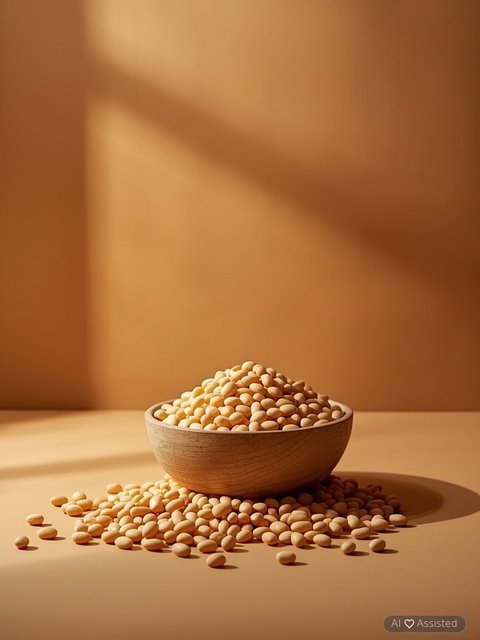
The dark seed coat of black beans (Phaseolus vulgaris) contains concentrated anthocyanins, including delphinidin, petunidin, and malvidin. These compounds demonstrate a proven ability to quench pro-inflammatory cytokines (such as TNF-alpha and IL-6) within the digestive tract. In addition, black beans are packed with soluble dietary fiber, feeding beneficial gut microbes that synthesize butyrate and short-chain fatty acids (SCFAs). To prevent bloating in ulcer-prone individuals, beans should be soaked thoroughly, cooked until thoroughly tender, and optionally pureed into gentle dips or spreads.
Berries and Dark Fruits in Countering Helicobacter pylori
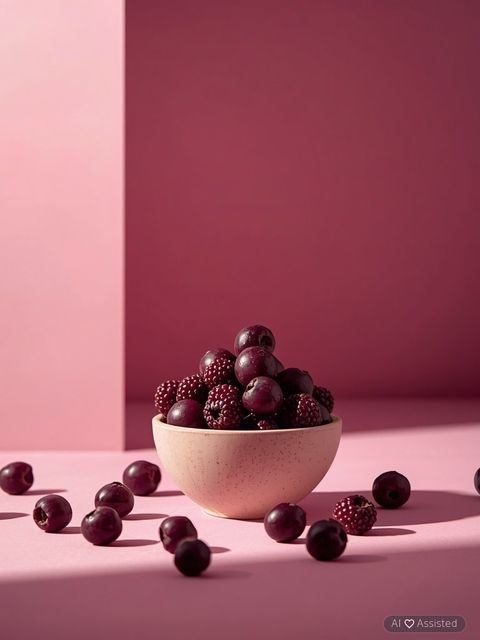
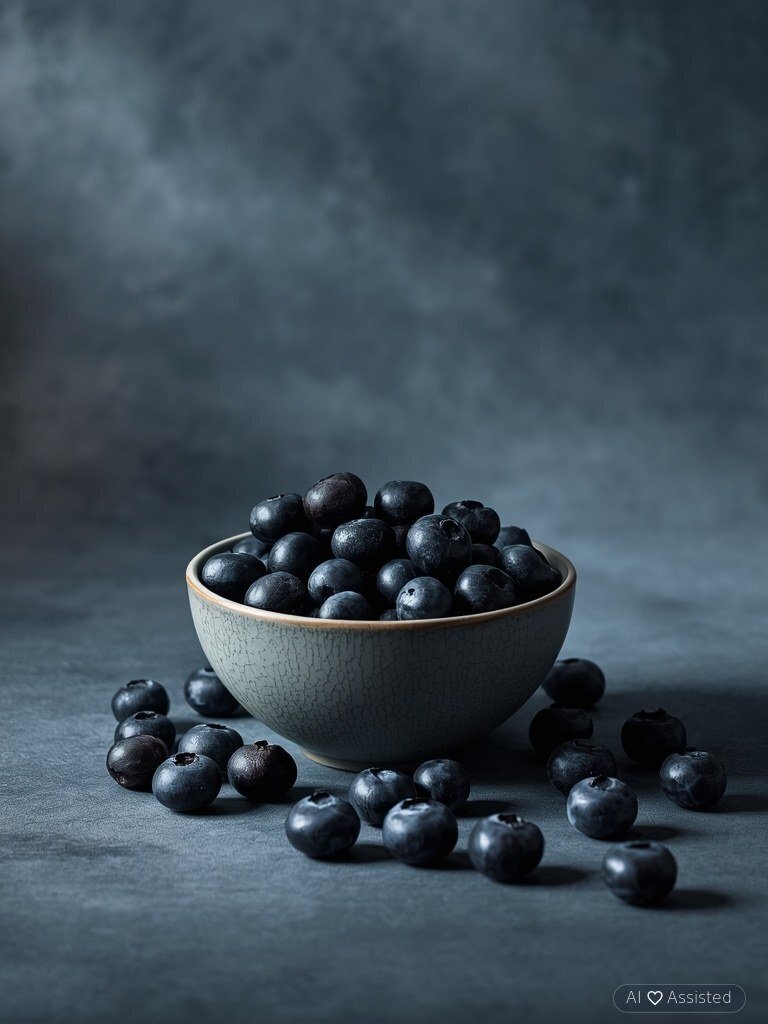
Dark berry fruits—such as wild blueberries, blackberries, aronia, and black currants—are abundant reservoirs of proanthocyanidins and ellagic acid. Microbiological research reveals that these polyphenols directly inhibit the adhesion of Helicobacter pylori to the gastric epithelial lining, blocking colonization and preventing mucosal damage. Furthermore, the vitamin C and bioflavonoids in wild berries strengthen mucosal capillary beds, promoting adequate oxygenation and nutrient delivery necessary for ulcer healing.
Practical Guidelines for a Gastroprotective Healing Diet
Integrating polyphenols into an ulcer recovery diet requires thoughtful culinary preparation. Berries are best enjoyed as smooth purees, unsweetened stewed compotes, or incorporated into gentle oat or millet porridges. Highly acidic or unripe fruits should be avoided on an empty stomach. Black beans are ideal in warm blended soups infused with carminative herbs such as marjoram or fennel. A gastroprotective diet relies on regular, moderate-temperature meals, complete avoidance of alcohol and harsh spices, serving as a powerful companion to prescribed medical therapy.

mgr Mateusz Pawlak
✓Diets Premium Expert
Diets Premium team expert. Specializes in nutrition plans, strength sports, and training plans.
View Profile →