The Unexpected Benefits of Peanuts: Why Their Consumption Does Not Cause Weight Gain Despite High Caloric Density

Olivia Davis
Olivia Davis ✓
Diets Premium Expert • 23.10.2026
✓
Scientifically reviewed by a clinical dietitian: This article has been peer-reviewed for adherence to IŻŻ, WHO, and PTGiP clinical nutritional standards.
Diets Premium Expert Olivia Davis min read 1 min Scientifically reviewed by a clinical dietitian 23.10.2026
The Unexpected Benefits of Peanuts: Why Their Consumption Does Not Cause Weight Gain Despite High Caloric Density

Smart Voice

•

Listen to the article content live

0:00 / 0:00
Key Takeaways

Scientifically documented evidence demonstrates that the regular inclusion of peanuts in one's diet—despite their substantial caloric content—does not promote fat tissue accumulation. Explore the biological mechanisms and nutritional components underlying this phenomenon, substantiated by clinical trials and meta-analyses.

Meal Plan

Want to apply these guidelines in your daily diet?

Our smart diet generator creates a tailored meal plan in 3 minutes based on the recommendations in this article.

The Peanut Paradox: High Caloric Density and Energy Balance

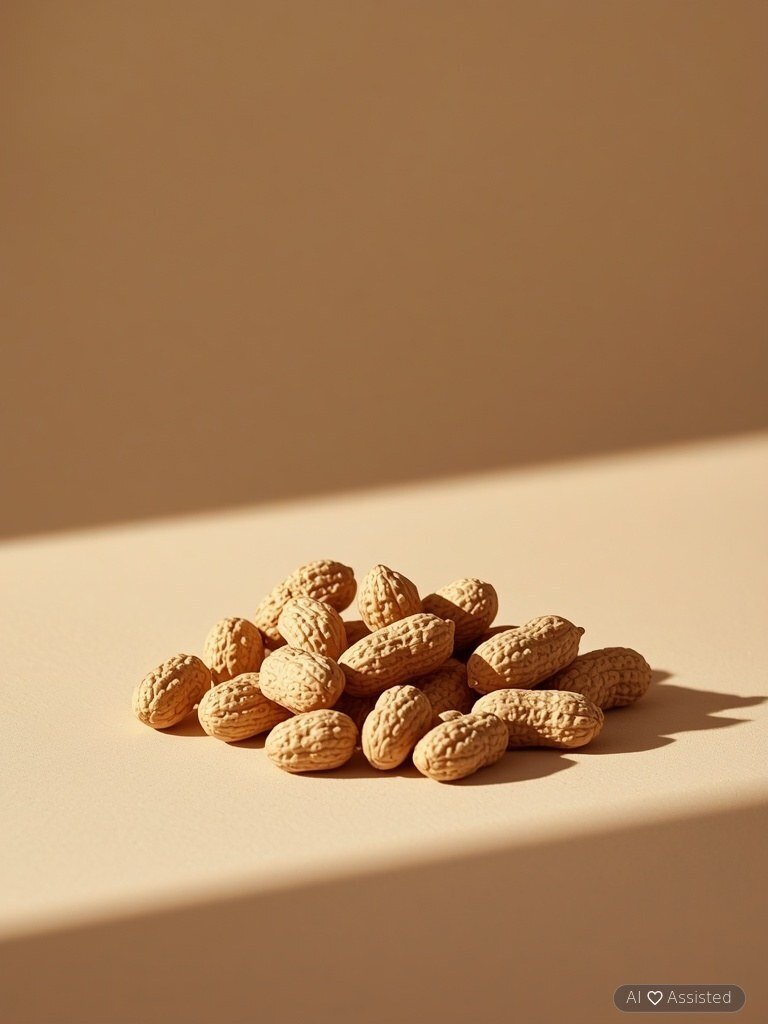
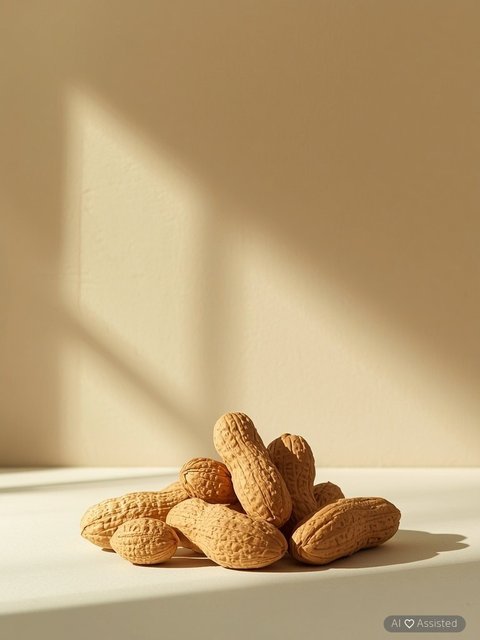
Peanuts (Arachis hypogaea), botanically classified as legumes but nutritionally aligned with tree nuts, have long been viewed with caution by individuals pursuing weight management. Delivering approximately 567 kcal per 100 grams, their caloric density is undeniable. However, rigorous clinical interventions and epidemiological surveys consistently reveal an unexpected outcome: regular, moderate peanut consumption does not result in the predictable accumulation of adipose tissue.

When individuals incorporate peanuts into their daily regimen, a significant proportion of the added energy is naturally offset by an involuntary reduction in subsequent caloric intake. In nutritional biochemistry, this is known as dietary compensation, which for whole peanuts ranges between 55% and 75%. Participants spontaneously ingest fewer calories at later meals without consciously restricting their portion sizes.

Furthermore, controlled comparative feeding trials demonstrate that when excess energy is provided as peanuts versus refined sugars or simple carbohydrates, subjects consuming peanuts exhibit markedly lower rates of weight gain. This underscores a foundational principle of modern nutrition: caloric impact is fundamentally modulated by the physical and chemical matrix of the food matrix itself.

Fat Bioavailability, Diet-Induced Thermogenesis, and Satiety Peptides

The biological mechanisms mitigating weight gain from peanut ingestion operate through well-defined physiological pathways:

  • Incomplete lipid bioaccessibility: The rigid cellular walls of the peanut matrix resist mechanical mastication and enzymatic breakdown. Intact parenchymal cells encapsulate substantial quantities of lipid droplets, which bypass small-intestine absorption. Fecal excretion analysis shows that up to 10–20% of fat from whole peanuts is eliminated without being metabolized.
  • Elevated diet-induced thermogenesis (DIT): Peanuts boast a robust protein concentration (roughly 25–26 g per 100 g) alongside viscous dietary fiber. The metabolic processing of protein incurs a high thermic effect of food (20–30% of caloric value), requiring elevated oxygen consumption and resting energy expenditure post-ingestion.
  • Neuroendocrine satiety signaling: The combination of long-chain monounsaturated fatty acids and peptides activates enteroendocrine L-cells in the ileum, triggering the release of cholecystokinin (CCK), peptide YY (PYY), and glucagon-like peptide-1 (GLP-1), while attenuating circulating levels of the orexigenic peptide ghrelin.

Consequently, whole peanuts deliver sustained fullness, mitigating reactive hypoglycemia and subsequent binge-eating episodes.

Cardiometabolic Health: Fatty Acid Profile, Endothelial Function, and Micronutrients

Peanuts provide profound cardiometabolic protection beyond their role in appetite modulation:

Approximately 80% of the lipid fraction in peanuts consists of unsaturated fatty acids, primarily oleic acid (monounsaturated) and linoleic acid (polyunsaturated). This configuration exerts a favorable regulatory effect on circulating lipoproteins by decreasing low-density lipoprotein cholesterol (LDL-C) and non-HDL fractions without suppressing cardioprotective high-density lipoprotein (HDL-C) concentrations.

Peanuts are exceptionally rich in L-arginine, the obligate biological precursor for nitric oxide (NO) generation via endothelial nitric oxide synthase (eNOS). Increased vascular NO bioavailability directly enhances flow-mediated dilation, dampens arterial stiffness, and normalizes vascular resistance.

The therapeutic value of the peanut matrix is amplified by its micronutrient and polyphenol profile:

  • Resveratrol: A stilbenoid antioxidant that protects against endothelial injury and downregulates pro-inflammatory cytokines.
  • Magnesium: A critical cofactor for over 300 enzymatic reactions, essential for glycemic control, postprandial insulin sensitivity, and blood pressure regulation.
  • Niacin (vitamin B3) and Vitamin E isomers: Essential agents providing robust cellular defense against reactive oxygen species and LDL particle oxidation.

Clinical Practice and Optimal Dietary Integration

To capitalize on the cardiometabolic and satiety benefits of peanuts without perturbing caloric goals, clinicians recommend specific guidelines:

  • Target portion: An intake of 30 to 45 grams daily (equivalent to one generous palmful) represents the evidence-based threshold yielding maximal cardiovascular benefits and appetite suppression without contributing to excess adiposity.
  • Physical form and processing: Whole, unblanched, dry-roasted or raw peanuts retaining their thin reddish pellicle (skin) deliver the highest concentration of protective polyphenols and offer maximum cellular resistance to lipid absorption. When selecting peanut butter, choose 100% single-ingredient varieties devoid of added sucrose, hydrogenated oils, or emulsifiers. Keep in mind that finely ground peanut butter exhibits greater caloric bioavailability than intact whole nuts.
  • Nutritional context: Incorporating peanuts into high-glycemic meals significantly flattens postprandial glucose surges and prevents reactive appetite surges.

Excluding individuals with confirmed IgE-mediated peanut allergies, regular consumption of this nutrient-dense legume is a clinically sound, highly accessible dietary strategy for cardiometabolic wellness and sustained weight management.

Olivia Davis

Olivia Davis

✓

Diets Premium Expert

Diets Premium team expert. Specializes in nutrition plans, strength sports, and training plans.

View Profile →
Recommended articles in this category

Related Articles

Discover similar publications and expert insights.

Orthorexic eating patterns among competitive athletes: Etiological factors, health repercussions, and clinical diagnostic approaches
Mental & Brain
Orthorexic eating patterns among competitive athletes: Etiological factors, health repercussions, and clinical diagnostic approaches
⏱ 6 min czytania 📚 Mental & Brain
#Nutrient Deficiencies #Eating Disorders
Pine Nuts (Pignolias) – Nutritional Characteristics, Sourcing, and Culinary Substitutes
Food & Ingredients
Pine Nuts (Pignolias) – Nutritional Characteristics, Sourcing, and Culinary Substitutes
⏱ 4 min czytania 📚 Food & Ingredients
#Nutritional Properties #Bioactive Compounds
Peanuts (Arachis hypogaea): Botanical Classification, Nutritional Profile, and Health Benefits
Food & Ingredients
Peanuts (Arachis hypogaea): Botanical Classification, Nutritional Profile, and Health Benefits
⏱ 2 min czytania 📚 Food & Ingredients
#Versatile Ingredient #Confectionery
How oatmeal at breakfast can safeguard your child against obesity while promoting their optimal growth and well-being!
Health Conditions
How oatmeal at breakfast can safeguard your child against obesity while promoting their optimal growth and well-being!
⏱ 1 min czytania 📚 Health Conditions
#Essential Nutrients #Dietary Habits
Maple Syrup – Glycemic Index, Caloric Value, Price. Where to Buy Maple Syrup?
Glycemic Index
Maple Syrup – Glycemic Index, Caloric Value, Price. Where to Buy Maple Syrup?
⏱ 5 min czytania
#Glycemic Index #Caloric Content
Chinese soup - ingredients, calorie count, health effects and pregnancy
Nutrition
Chinese soup - ingredients, calorie count, health effects and pregnancy
⏱ 6 min czytania 📚 Nutrition
#Calorie Content #Caloric Content
Coconut Chips and Flakes – Health Properties, Nutrition, and Calories
Nutritional Values
Coconut Chips and Flakes – Health Properties, Nutrition, and Calories
⏱ 3 min czytania
#Nutritional Values #Sweet Treats
Fructose: Properties, Glycemic Index, Caloric Content and Occurrence
Glycemic Index
Fructose: Properties, Glycemic Index, Caloric Content and Occurrence
⏱ 4 min czytania
#Glycemic Index #Calorie Content
25 Products That Will Grant You More Life Force!
Metabolism
25 Products That Will Grant You More Life Force!
⏱ 10 min czytania
#Metabolism #Calorie Content
Semi-fat curd cheese (quark) – characteristics, nutritional values, and calories
Dairy-Based
Semi-fat curd cheese (quark) – characteristics, nutritional values, and calories
⏱ 1 min czytania 📚 Dairy-Based
#Calorie Content #Caloric Content
Mandarins – nutritional properties, caloric value, and a homemade recipe for fragrant mandarin liqueur
Fruits
Mandarins – nutritional properties, caloric value, and a homemade recipe for fragrant mandarin liqueur
⏱ 4 min czytania 📚 Fruits
#Nutritional Properties #Bioactive Compounds
How to Avoid Weight Gain During Easter
Weight Gain
How to Avoid Weight Gain During Easter
⏱ 2 min czytania
#Weight Gain #Eggs
Freshman 15 Effect – How to Avoid Weight Gain in College
Weight Management
Freshman 15 Effect – How to Avoid Weight Gain in College
⏱ 7 min czytania 📚 Weight Management
#Weight Gain #Weight Gainer
Gaining weight – which foods should you eat to increase body mass?
Weight Gain
Gaining weight – which foods should you eat to increase body mass?
⏱ 7 min czytania
#Weight Gain #Weight Gainer
Do oral contraceptives actually contribute to weight gain?
Weight Gainer
Do oral contraceptives actually contribute to weight gain?
⏱ 5 min czytania
#Weight Gainer #Weight Gain
Optimal body weight management during pregnancy: Avoiding excessive weight gain without compromising maternal and fetal health
Pregnancy & Motherhood
Optimal body weight management during pregnancy: Avoiding excessive weight gain without compromising maternal and fetal health
⏱ 3 min czytania 📚 Pregnancy & Motherhood
#Nutrition During Pregnancy #Maternal And Fetal Health
Portion Control and Sustainable Weight Management: Psychology, Physiology, and Volumetrics
Weight Gain
Portion Control and Sustainable Weight Management: Psychology, Physiology, and Volumetrics
⏱ 2 min czytania
#Weight Gain #Weight Management
What is a gainer? The functions of gainer preparations
Weight Gainers
What is a gainer? The functions of gainer preparations
⏱ 5 min czytania
#Weight Gainers
Obesity and Anxiety Disorders – Psychodietetic Intervention Strategies in Crisis
Mental & Brain
Obesity and Anxiety Disorders – Psychodietetic Intervention Strategies in Crisis
⏱ 4 min czytania 📚 Mental & Brain
#Nutritional Habits #Anxiety Disorders
The childhood obesity epidemic: Why excessive weight in children and adolescents has become a defining health crisis of the 21st century
Health Conditions
The childhood obesity epidemic: Why excessive weight in children and adolescents has become a defining health crisis of the 21st century
⏱ 4 min czytania 📚 Health Conditions
#Childhood Obesity #Public Health
Dried dates - health benefits... dried dates and weight reduction
Health Conditions
Dried dates - health benefits... dried dates and weight reduction
⏱ 4 min czytania 📚 Health Conditions
#Health Benefits #Dried Fruits
Therapeutic Effects of Cretan Cistus – Application in Lyme Disease Therapy
Health Conditions
Therapeutic Effects of Cretan Cistus – Application in Lyme Disease Therapy
⏱ 4 min czytania 📚 Health Conditions
#Health Benefits #Antioxidant
Nutritional guidelines for diabetic pregnancy - Recommended food choices
Health Conditions
Nutritional guidelines for diabetic pregnancy - Recommended food choices
⏱ 6 min czytania 📚 Health Conditions
#Nutritional Guidelines #Nutritional Habits
Characteristics and Potential Health Benefits of Raspberry Leaves – How Herbal Infusions Support Vitality
Food & Ingredients
Characteristics and Potential Health Benefits of Raspberry Leaves – How Herbal Infusions Support Vitality
⏱ 4 min czytania 📚 Food & Ingredients
#Nutritional Benefits Of Raspberries #Medicinal Plant Applications
Damiana (Turnera diffusa) – Medicinal Properties, Methods of Application, and Therapeutic Precautions
Food & Ingredients
Damiana (Turnera diffusa) – Medicinal Properties, Methods of Application, and Therapeutic Precautions
⏱ 3 min czytania 📚 Food & Ingredients
#Bioactive Compounds #Traditional Medicine
GAPS diet: guidelines, recipes, consequences
Health Conditions
GAPS diet: guidelines, recipes, consequences
⏱ 4 min czytania 📚 Health Conditions
#Eating Disorders #Schizophrenia
Wheat-free nutrition - applications, effects, reviews, culinary recipes
Health Conditions
Wheat-free nutrition - applications, effects, reviews, culinary recipes
⏱ 6 min czytania 📚 Health Conditions
#Health Benefits #Nutritional Content
Diet 50: 50 – principles and effects of the "alternate-day" diet
Health Conditions
Diet 50: 50 – principles and effects of the "alternate-day" diet
⏱ 3 min czytania 📚 Health Conditions
#Low-calorie Diets #Calorie Tracking
Does green tea offer health benefits? The finest green tea drink
Health Conditions
Does green tea offer health benefits? The finest green tea drink
⏱ 4 min czytania 📚 Health Conditions
#Health Benefits #Beverage
Are there healthier sugar substitutes for tea? Non-sugar sweeteners.
Health Conditions
Are there healthier sugar substitutes for tea? Non-sugar sweeteners.
⏱ 5 min czytania 📚 Health Conditions
#Healthier Alternatives #Sugar Substitutes

Share