2 min read
Red, Brown, Black, Green, and Yellow Lentils: Lesser-Known Varieties of This Healthy Legume

Anna Schmidt
✓
Diets Premium Expert • 23.10.2026
✓
Scientifically reviewed by a clinical dietitian:
This article has been peer-reviewed for adherence to IŻŻ, WHO, and PTGiP clinical nutritional standards.
| Diets Premium Expert Anna Schmidt | min read 2 min | Scientifically reviewed by a clinical dietitian 23.10.2026 |
Smart Voice
•Listen to the article content live
0:00
/
0:00
Key Takeaways
The edible lentil is a cultivated plant grown for its nutritious seeds and belongs to the legume family. It is distinguished by its large pods, which classify it as a leguminous plant. It likely originated in Central Asia and the Middle East. In ancient times, it served as a dietary staple in Rome, Greece, and Egypt. Currently, Canada and India are the leading producers of lentils.
Meal Plan
Want to apply these guidelines in your daily diet?
Our smart diet generator creates a tailored meal plan in 3 minutes based on the recommendations in this article.
Lentils: Overview, Types, and Nutritional Value.
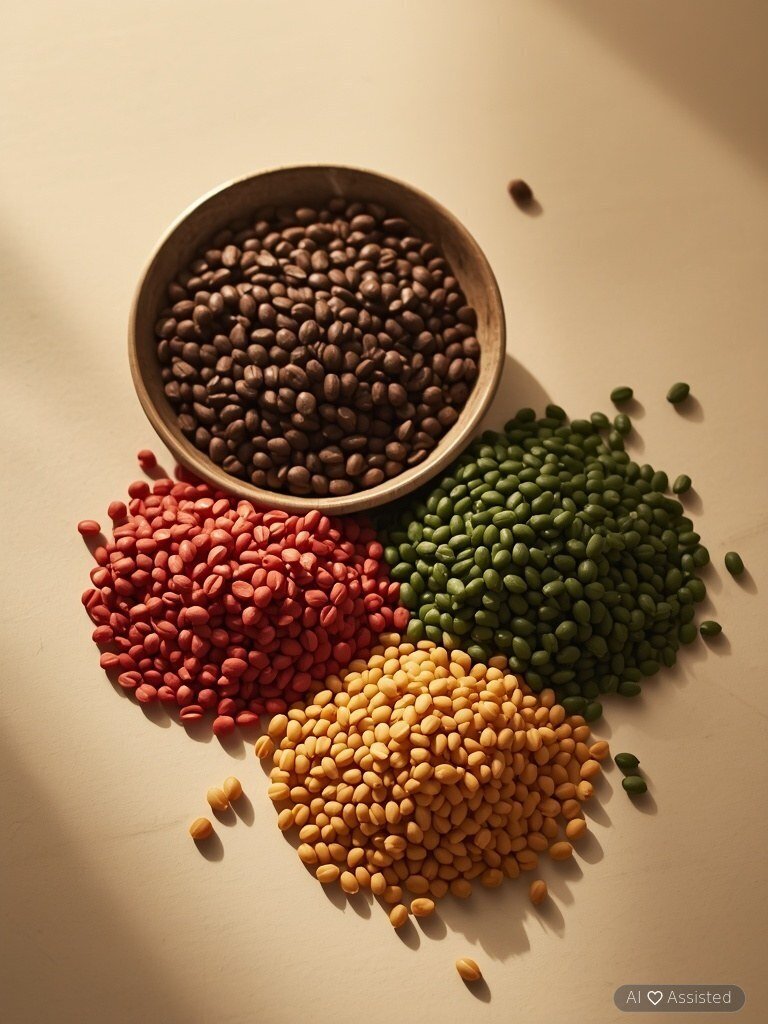
In Poland, the most popular and readily available type of lens is green and red, but there are many more varieties in the world, depending on the size of the seeds and the color and origin, such as green (including French), red, yellow, brown (Spanish, Indian and German) or black (beluga).
Red Lentils: Quick-Cooking and Gentle Digestibility.
Red lentils are shell-free brown lentiles, and unlike most legumes, we cook them quickly because they're relatively soft and small on the inside, and they contain a lot of nutrients and are a great addition to almost any diet.
Brown Lentils: Versatile and Earthy.
Brown lenses are seeds of red lenses that have not been purified from the coating. The seeds are red inside, and their coating is khaki to dark brown in color. They are characterized by intense flavor. This type of lens can be cooked for up to an hour, but it does not lose its shape during heat treatment, so it is often used to make pastries, cakes or golas.
Black Beluga Lentils: The Caviar of Legumes.
Black Beluga lentils are tiny, glistening black legumes named for their resemblance to beluga caviar. They are exceptionally rich in anthocyanins, dietary protein, and dietary fiber. They hold their shape remarkably well during cooking, making them ideal for refined warm salads, side dishes, and grain bowls.
Green Lentils: Firm Texture and Rich Mineral Content.
Depending on the variety, the green lentils vary in color from light green to greenish-brown, have a distinctive, sharp taste, and, after cooking (about 45 minutes), retain their shape, making them suitable for salads or pastries.
Yellow Lentils: Creamy Texture for Soups and Dals.
It's the most delicate and the smallest of the lentils, and it's very fast to cook, which makes it an ideal base for soup, sauce and puree. Lentils are a great idea for making classic pastries, pigeons, croquettes, soups, creams, sauces in a new and original way. They bring a little variety to our kitchen.

Anna Schmidt
✓Diets Premium Expert
Diets Premium team expert. Specializes in nutrition plans, strength sports, and training plans.
View Profile →