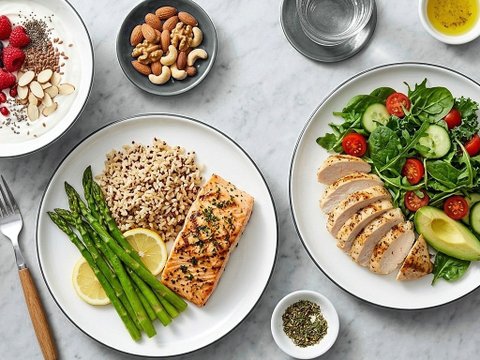
Baden Green Spelt Vegetable Soup
| Parameter | Value | Parameter | Value |
|---|---|---|---|
|
Preparation time
|
25 min |
Number of portions
|
2 |
|
Cena (Walmart)
|
$2.13 |
Cost of one portion
|
$1.07 |
|
Number of ingredients needed for preparation
|
8 |
Total calories
|
471 kcal |
|
Glycemic Index (GI)
|
IG 36 |
Glycemic Load (GL)
|
GL 7.7 |
Ingredients
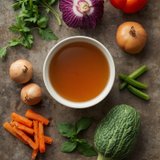
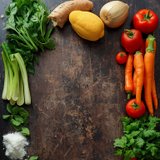
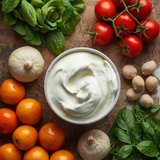
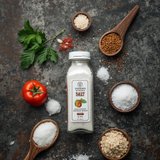

Show Supermarket Price Comparison & Trend
Compare grocery chains & historical meal cost
Supermarket Chain Price Comparator — Baden Green Spelt Vegetable Soup
Compare estimated shopping costs across major supermarket chains, scale portions or weight, and calculate the route to your nearest store.
| Select supermarket chain | 1 portion | 1 portion | 2 portions | 4 portions | Find store on map & calculate route |
|---|---|---|---|---|---|
Aldi
Cheapest
|
0,97 € | 0,97 € | 1,94 € | 3,88 € | |
Lidl
+1%
|
0,98 € | 0,98 € | 1,96 € | 3,92 € | |
Tesco
+10%
|
1,07 € | 1,07 € | 2,14 € | 4,28 € | |
Carrefour
+13%
|
1,10 € | 1,10 € | 2,20 € | 4,40 € | |
SPAR
+16%
|
1,13 € | 1,13 € | 2,26 € | 4,52 € |
Recipe Summary & Culinary Insights
This Baden green spelt soup captivates with its harmonious blend of nutty, beechwood-smoked green spelt and a savory foundation of root vegetables. Briefly toasting the spelt in rapeseed oil unlocks a deep, earthy aroma, while puréeing the cooked vegetables creates a naturally velvety texture. Finished with a swirl of sour cream and fresh chives, this dish offers a comforting culinary experience that perfectly balances tradition with refined flavor profiles.
The nutritional quality of this soup is defined by its abundance of complex carbohydrates and dietary fiber, which promote steady satiety and help maintain stable blood sugar levels. By combining green spelt with a variety of vegetables, the meal provides essential minerals such as magnesium and iron, along with vital B vitamins. This composition supports digestive comfort and metabolic balance, ensuring the body feels nourished and energized without the heaviness associated with processed ingredients.
In daily culinary practice, this soup proves to be both versatile and easy to prepare. It serves as an excellent nutritious starter or a light main course that can be tailored to individual needs by adding protein sources like roasted poultry or smoked tofu. As a staple of a health-conscious lifestyle, it offers an ideal balance between satisfying indulgence and functional support for an active, well-balanced daily routine.
Recipe preparation steps
Culinary & Training Tip (for Athletes & Personal Trainers): Stir the light 10% sour cream into the puréed soup only after turning off the stove so the dairy does not curdle and stays silky smooth. For strength and endurance athletes, this mineral-rich green spelt soup (160 kcal, 1 carb exchange, GI 45, 4.2 g fiber per serving) is an easily digestible source of complex carbohydrates, magnesium, and electrolytes: top a bowl with 100 g of diced roasted turkey breast, 2 halved hard-boiled eggs, or 100 g of smoked tofu to create a complete post-workout recovery meal with 25–32 g of complete protein.
Show Full Micronutrient Profile, Allergens & Glucose Curve
Vitamins, minerals, amino acids & glycemic load simulation
Nutrients
Precise micro- and macronutrient analysis with daily reference intake (RDA) coverage (1 portion)

Baden Green Spelt Vegetable Soup
ARE vitamin
Added sugar
Alpha-linolenic acid
Ash
Beta-sitosterol
Bor
Calcium
Campesterol
Carbohydrates
Carbohydrates
Carotene Beta
Chlor
Cholesterol
Chromium
Cobalt
Copper
Erythrose tartaric acid
Fat
Fiber
Fitosterol
Fluor
Gondocoile acid
Insoluble fiber
Iodine
Iron
Lactose
Linoleic acid
Lutein + zeaxanthin
Magnesium
Manganese
Molybdenum
Monounsaturated fatty acids
Nickel
Oleic acid
Omega 3
Omega 6
Phosphorus
Polyunsaturated fatty acids
Potassium
Protein
Salt
Saturated fatty acids
Selenium
Sodium
Soluble fiber
Stigmasterol
Sugar
Sulfur
Tocopherol gamma
Total sugar alcohol
Trans fatty acids
Vitamin A
Vitamin B1 (Thiamine)
Vitamin B12 (Cobalamin)
Vitamin B2 (Riboflavin)
Vitamin B3 (Niacin)
Vitamin B5 (Pantothenic acid)
Vitamin B6 (Pyridoxine)
Vitamin B9 (Folic acid)
Vitamin C (Ascorbic acid)
Vitamin D
Vitamin E
Vitamin K
Water
Zinc
| Name | Category | Amount | % RDA |
|---|---|---|---|
| ARE vitamin | - | 0.15 µg | - |
| Added sugar | - | 0.05 g | - |
| Alpha-linolenic acid | - | 0.45 g | - |
| Ash | - | 1.98 g | - |
| Beta-sitosterol | - | 15 mg | - |
| Bor | - | 0.05 mg | - |
| Calcium | - | 96.54 mg | 12% |
| Campesterol | - | 10 g | - |
| Carbohydrates | - | 0.05 g | - |
| Carbohydrates | - | 29.55 g | 11% |
| Carotene Beta | - | 0.65 mg | - |
| Chlor | - | 450.05 mg | - |
| Cholesterol | - | 8.81 mg | - |
| Chromium | - | 0.06 µg | - |
| Cobalt | - | 0.01 µg | - |
| Copper | - | 0.04 mg | - |
| Erythrose tartaric acid | - | 0.02 g | - |
| Fat | - | 7.68 g | 11% |
| Fiber | - | 8.26 g | 33% |
| Fitosterol | - | 35 mg | - |
| Fluor | - | 0.01 mg | - |
| Gondocoile acid | - | 0.08 g | - |
| Insoluble fiber | - | 0.01 g | - |
| Iodine | - | 38.16 µg | 25% |
| Iron | - | 1.19 mg | 9% |
| Lactose | - | 0.53 g | - |
| Linoleic acid | - | 1 g | - |
| Lutein + zeaxanthin | - | 0.05 mg | - |
| Magnesium | - | 33.47 mg | 9% |
| Manganese | - | 0.11 mg | - |
| Molybdenum | - | 0.06 µg | - |
| Monounsaturated fatty acids | - | 3.27 g | - |
| Nickel | - | 0.05 mg | - |
| Oleic acid | - | 2.7 g | - |
| Omega 3 | - | 0.5 g | - |
| Omega 6 | - | 1.01 g | - |
| Phosphorus | - | 49.1 mg | 7% |
| Polyunsaturated fatty acids | - | 1.46 g | - |
| Potassium | - | 749.71 mg | 38% |
| Protein | - | 12.08 g | 24% |
| Salt | - | 3.34 g | - |
| Saturated fatty acids | - | 1.48 g | - |
| Selenium | - | 0.07 µg | - |
| Sodium | - | 1305.65 mg | 65% |
| Soluble fiber | - | 0.01 g | - |
| Stigmasterol | - | 7.5 g | - |
| Sugar | - | 7.65 g | 15% |
| Sulfur | - | 0.1 mg | - |
| Tocopherol gamma | - | 2 mg | - |
| Total sugar alcohol | - | 0.05 g | - |
| Trans fatty acids | - | 3.52 g | - |
| Vitamin A | - | 33.24 µg | 4% |
| Vitamin B1 (Thiamine) | - | 0.09 mg | - |
| Vitamin B12 (Cobalamin) | - | 0.1 µg | - |
| Vitamin B2 (Riboflavin) | - | 0.11 mg | - |
| Vitamin B3 (Niacin) | - | 0.41 mg | - |
| Vitamin B5 (Pantothenic acid) | - | 0.01 mg | - |
| Vitamin B6 (Pyridoxine) | - | 0.16 mg | - |
| Vitamin B9 (Folic acid) | - | 37.14 µg | - |
| Vitamin C (Ascorbic acid) | - | 24.41 mg | - |
| Vitamin D | - | 0.07 µg | 1% |
| Vitamin E | - | 1.21 mg | 10% |
| Vitamin K | - | 27.07 µg | 36% |
| Water | - | 484.82 g | - |
| Zinc | - | 0.19 mg | 2% |
No nutrients matching your search criteria
Nutritional Profile Comparison
📈 Interactive ChartNutrient content comparison per serving
Blood Glucose Curve & Glycemic Index
Biochemical model of blood glucose dynamics (0-180 min) accounting for fat, protein, and fiber buffering.
Blood Glucose Curve (0-180 min)
Biochemical model of blood glucose dynamics (0-180 min) accounting for fat, protein, and fiber buffering.
Glycemic Load (GL) combines both the Glycemic Index (GI) and the actual amount of digestible carbohydrates in a serving.
Clinical thresholds: Low ≤ 10 pts • Moderate 11–19 pts • High ≥ 20 pts