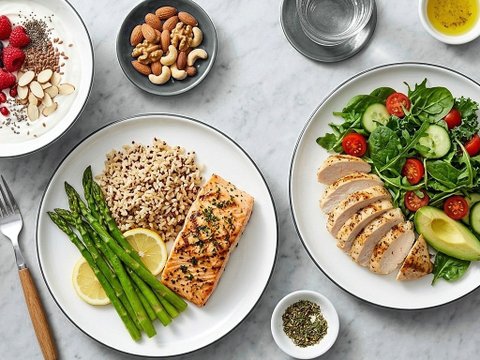
Salmon croquettes baked in foil with jacket potatoes and dill-mustard dip
| Parameter | Value | Parameter | Value |
|---|---|---|---|
|
Preparation time
|
30 min |
Number of portions
|
2 |
|
Cena (Walmart)
|
$1.60 |
Cost of one portion
|
$0.80 |
|
Number of ingredients needed for preparation
|
9 |
Total calories
|
1372 kcal |
|
Glycemic Index (GI)
|
IG 54 |
Glycemic Load (GL)
|
GL 39.4 |
Ingredients

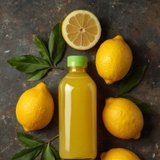
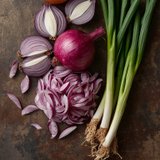

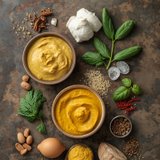
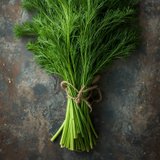
Show Supermarket Price Comparison & Trend
Compare grocery chains & historical meal cost
Supermarket Chain Price Comparator — Salmon croquettes baked in foil with jacket potatoes and dill-mustard dip
Compare estimated shopping costs across major supermarket chains, scale portions or weight, and calculate the route to your nearest store.
| Select supermarket chain | 1 portion | 1 portion | 2 portions | 4 portions | Find store on map & calculate route |
|---|---|---|---|---|---|
Aldi
Cheapest
|
0,73 € | 0,73 € | 1,46 € | 2,92 € | |
Lidl
+1%
|
0,74 € | 0,74 € | 1,48 € | 2,96 € | |
Tesco
+10%
|
0,80 € | 0,80 € | 1,60 € | 3,20 € | |
Carrefour
+12%
|
0,82 € | 0,82 € | 1,64 € | 3,28 € | |
SPAR
+16%
|
0,85 € | 0,85 € | 1,70 € | 3,40 € |
Recipe Summary & Culinary Insights
Succulent wild salmon steaks drizzled with freshly squeezed lemon juice and gently baked inside loosely sealed foil parcels form the vibrant centerpiece of this Scandinavian-inspired meal. Steaming the fish in its own natural juices yields a remarkably tender, flaky texture while the bright citrus aroma elevates the rich character of the salmon. Served alongside steaming boiled jacket potatoes, the dish is brought together by a bold dip crafted from sharp Dijon mustard, liquid honey, finely diced onion, and fragrant garden dill. The interplay between the velvety fish, hearty skin-on potatoes, and the subtle crunch of fresh onion within the sweet and tangy mustard-dill sauce delivers a deeply satisfying contrast of flavors and textures.
From a clinical nutrition perspective, this recipe offers a well-balanced macronutrient profile designed to promote lasting satiety, digestive comfort, and steady metabolic energy. The wild salmon provides complete protein essential for tissue repair alongside delicate marine fatty acids, selenium, and key vitamins, all preserved from thermal oxidation through the oil-free parcel-baking method. Boiling the potatoes in their skins retains valuable potassium and vitamin C while supplying complex carbohydrates and dietary fiber that support a moderate glycemic response and stable blood sugar balance.
Preparing the salmon en papillote while the jacket potatoes simmer makes this dish straightforward and reliable for everyday cooking without added culinary fats. It fits seamlessly into a health-conscious lifestyle as a nourishing lunch or dinner, whether supporting post-workout muscle recovery for active individuals or providing a glycemic-friendly, high-protein option for those managing insulin sensitivity or diabetes. Combining timeless Nordic flavor pairings with gentle cooking techniques, this meal brings both culinary pleasure and nutritional integrity to the daily table.
Recipe preparation steps
Athletic & Clinical Nutrition Note (for Exercisers, Trainers & Diabetics): Baking salmon steaks in foil or parchment parcels (en papillote) with fresh lemon juice steams the fish gently in its own juices without a single drop of added cooking oil, protecting delicate marine omega-3 fatty acids (EPA & DHA), vitamin D, vitamin B12, and selenium from thermal oxidation. Boiling potatoes in their skins (jacket potatoes) preserves potassium and vitamin C while keeping the glycemic index moderate (3 carb exchanges, GI 48), and the zesty Dijon-dill dip delivers bold Scandinavian flavor at just 440 kcal per serving.
Show Full Micronutrient Profile, Allergens & Glucose Curve
Vitamins, minerals, amino acids & glycemic load simulation
Nutrients
Precise micro- and macronutrient analysis with daily reference intake (RDA) coverage (1 portion)

Salmon croquettes baked in foil with jacket potatoes and dill-mustard dip
Acidity
Added sugar
Alcohol
Ash
Baking soda
Beta-Carotene
Beta-cryptoxanthin
Bor
Calcium
Carbohydrates
Carotene Beta
Chlor
Chlor
Cholesterol
Chromium
Citric acid
Cobalt
Copper
Cranberry juice
Fat
Fiber
Fluor
Folic acid
Fructose
Glucose
Glutamine
Insoluble fiber
Iodine
Iron
Lutein
Lutein + zeaxanthin
Lymphopenia
Magnesium
Manganese
Molybdenum
Monounsaturated fatty acids
Nickel
Omega 3
Omega 6
Oxalic acid
Phosphorus
Polyunsaturated fatty acids
Potassium
Protein
Quinic acid
Retinol
Salt
Saturated fatty acids
Selenium
Sodium
Soluble fiber
Sponge cake
Starch
Sucrose
Sugar
Sulfur
Taurine
Total sugar alcohol
Trans fatty acids
Vitamin A
Vitamin B1 (Thiamine)
Vitamin B12 (Cobalamin)
Vitamin B2 (Riboflavin)
Vitamin B3 (Niacin)
Vitamin B4 (Choline)
Vitamin B5 (Pantothenic acid)
Vitamin B6 (Pyridoxine)
Vitamin B7 (Biotin)
Vitamin B9 (Folic acid)
Vitamin C (Ascorbic acid)
Vitamin D
Vitamin D3
Vitamin E
Vitamin K
Water
Zeaxanthin
Zinc
| Name | Category | Amount | % RDA |
|---|---|---|---|
| Acidity | - | 0.5 g | - |
| Added sugar | - | 0.1 g | - |
| Alcohol | - | 0.1 g | - |
| Ash | - | 4.33 g | - |
| Baking soda | - | 100.8 g | - |
| Beta-Carotene | - | 1.6 µg | - |
| Beta-cryptoxanthin | - | 1.4 µg | - |
| Bor | - | 0.02 mg | - |
| Calcium | - | 85.9 mg | 11% |
| Carbohydrates | - | 81.48 g | 31% |
| Carotene Beta | - | 315.3 mg | - |
| Chlor | - | 607.7 mg | - |
| Chlor | - | 124.3 mg | - |
| Cholesterol | - | 81.1 mg | - |
| Chromium | - | 0.67 µg | - |
| Citric acid | - | 0.55 mg | - |
| Cobalt | - | 0.01 µg | - |
| Copper | - | 0.21 mg | - |
| Cranberry juice | - | 0.07 g | - |
| Fat | - | 22.15 g | 32% |
| Fiber | - | 8.53 g | 34% |
| Fluor | - | 0.16 mg | - |
| Folic acid | - | 1.5 µg | - |
| Fructose | - | 0.84 g | - |
| Glucose | - | 1.15 g | - |
| Glutamine | - | 0.05 g | - |
| Insoluble fiber | - | 1.51 g | - |
| Iodine | - | 135.63 µg | 90% |
| Iron | - | 2.11 mg | 15% |
| Lutein | - | 5 µg | - |
| Lutein + zeaxanthin | - | 571.12 mg | - |
| Lymphopenia | - | 0.1 µg | - |
| Magnesium | - | 114.51 mg | 31% |
| Manganese | - | 0.38 mg | - |
| Molybdenum | - | 0.04 µg | - |
| Monounsaturated fatty acids | - | 9.09 g | - |
| Nickel | - | 0.15 mg | - |
| Omega 3 | - | 3.76 g | - |
| Omega 6 | - | 0.72 g | - |
| Oxalic acid | - | 0.2 mg | - |
| Phosphorus | - | 517.86 mg | 74% |
| Polyunsaturated fatty acids | - | 3.83 g | - |
| Potassium | - | 835.42 mg | 42% |
| Protein | - | 40.22 g | 80% |
| Quinic acid | - | 0.01 g | - |
| Retinol | - | 48 µg | - |
| Salt | - | 2.3 g | - |
| Saturated fatty acids | - | 3.03 g | - |
| Selenium | - | 65.82 µg | 120% |
| Sodium | - | 850.55 mg | 43% |
| Soluble fiber | - | 0.89 g | - |
| Sponge cake | - | 0.1 mg | - |
| Starch | - | 0.6 g | - |
| Sucrose | - | 6.4 g | - |
| Sugar | - | 9.03 g | 18% |
| Sulfur | - | 15.12 mg | - |
| Taurine | - | 16 mg | - |
| Total sugar alcohol | - | 1.7 g | - |
| Trans fatty acids | - | 0.15 g | - |
| Vitamin A | - | 100.6 µg | 13% |
| Vitamin B1 (Thiamine) | - | 0.44 mg | - |
| Vitamin B12 (Cobalamin) | - | 11.14 µg | - |
| Vitamin B2 (Riboflavin) | - | 0.37 mg | - |
| Vitamin B3 (Niacin) | - | 11.54 mg | - |
| Vitamin B4 (Choline) | - | 105.8 mg | - |
| Vitamin B5 (Pantothenic acid) | - | 3.35 mg | - |
| Vitamin B6 (Pyridoxine) | - | 1.05 mg | - |
| Vitamin B7 (Biotin) | - | 0.05 mg | - |
| Vitamin B9 (Folic acid) | - | 32.4 µg | - |
| Vitamin C (Ascorbic acid) | - | 15 mg | - |
| Vitamin D | - | 13.54 µg | 90% |
| Vitamin D3 | - | 0.1 µg | - |
| Vitamin E | - | 2.07 mg | 17% |
| Vitamin K | - | 809.64 µg | 1080% |
| Water | - | 203.44 g | - |
| Zeaxanthin | - | 2.5 µg | - |
| Zinc | - | 1.51 mg | 15% |
No nutrients matching your search criteria
Nutritional Profile Comparison
📈 Interactive ChartNutrient content comparison per serving
Blood Glucose Curve & Glycemic Index
Biochemical model of blood glucose dynamics (0-180 min) accounting for fat, protein, and fiber buffering.
Blood Glucose Curve (0-180 min)
Biochemical model of blood glucose dynamics (0-180 min) accounting for fat, protein, and fiber buffering.
Glycemic Load (GL) combines both the Glycemic Index (GI) and the actual amount of digestible carbohydrates in a serving.
Clinical thresholds: Low ≤ 10 pts • Moderate 11–19 pts • High ≥ 20 pts