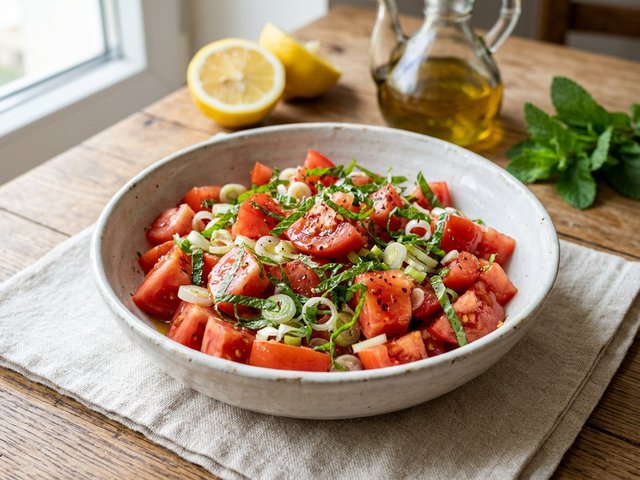
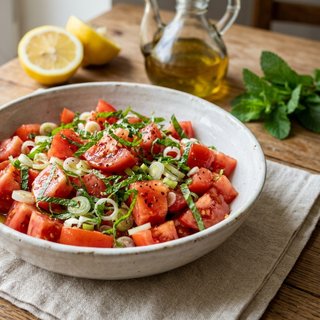
Turkish tomato salad with fresh mint
| Parameter | Value | Parameter | Value |
|---|---|---|---|
|
Preparation time
|
15 min |
Number of portions
|
2 |
|
Cena (Walmart)
|
$1.09 |
Cost of one portion
|
$0.55 |
|
Number of ingredients needed for preparation
|
10 |
Total calories
|
206 kcal |
|
Glycemic Index (GI)
|
IG 26 |
Glycemic Load (GL)
|
GL 1.8 |
Ingredients



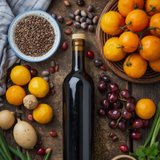
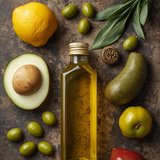

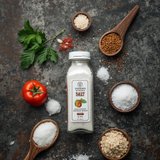
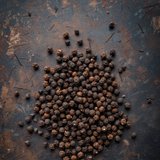
Show Supermarket Price Comparison & Trend
Compare grocery chains & historical meal cost
Supermarket Chain Price Comparator — Turkish tomato salad with fresh mint
Compare estimated shopping costs across major supermarket chains, scale portions or weight, and calculate the route to your nearest store.
| Select supermarket chain | 1 portion | 1 portion | 2 portions | 4 portions | Find store on map & calculate route |
|---|---|---|---|---|---|
Aldi
Cheapest
|
0,50 € | 0,50 € | 1,00 € | 2,00 € | |
Lidl
+2%
|
0,51 € | 0,51 € | 1,02 € | 2,04 € | |
Tesco
+10%
|
0,55 € | 0,55 € | 1,10 € | 2,20 € | |
Carrefour
+14%
|
0,57 € | 0,57 € | 1,14 € | 2,28 € | |
SPAR
+16%
|
0,58 € | 0,58 € | 1,16 € | 2,32 € |
Recipe Summary & Culinary Insights
This Turkish Tomato Salad with Fresh Mint captures the vibrant essence of Eastern Mediterranean cuisine, transforming simple, sun-ripened produce into an aromatic symphony of contrasting flavors and textures. At the heart of the dish are bite-sized cubes of juicy, ripe tomatoes whose natural sweetness and gentle acidity are elevated by crisp, finely sliced spring onion rings and delicate ribbons of cooling peppermint leaves. Enveloped in a zesty dressing whisked from extra-virgin olive oil, freshly squeezed lemon juice, white wine vinegar, and pressed garlic, the salad finishes with a lively, warming spark from a pinch of cayenne and freshly ground black pepper.
From a clinical nutrition standpoint, this thoughtfully balanced recipe leverages powerful nutrient synergies to promote metabolic harmony, digestive comfort, and effortless blood sugar regulation. Pairing lycopene-rich tomatoes with heart-healthy monounsaturated fats from extra-virgin olive oil optimizes the intestinal absorption of fat-soluble carotenoids, while abundant potassium and vitamin C help combat cellular oxidative stress. Furthermore, the essential oils naturally present in fresh peppermint leaves work alongside capsaicin from cayenne pepper to soothe the digestive tract and gently support metabolic thermogenesis, delivering clean vitality without triggering glycemic fluctuations.
In the kitchen, the culinary character of this salad relies on immediate assembly, tossing the crisp vegetables with the garlic-lemon emulsion right before serving so the diced tomatoes retain their firm structure and vibrant juiciness. Its ultra-light profile makes it a seamless addition to a Mediterranean lifestyle as well as specialized nutritional frameworks designed for insulin resistance and diabetes management. Enjoyed on its own as a revitalizing starter or paired with grilled poultry skewers, baked Mediterranean fish, or light feta cheese, it forms a refreshing, nutrient-dense foundation for everyday wellness and post-exercise recovery.
Recipe preparation steps
Culinary & Training Tip (for Athletes & Personal Trainers): Serve the Turkish tomato salad immediately after tossing with the garlic-lemon dressing so the diced tomatoes remain firm and juicy. For strength and endurance athletes, this ultra-light 0-exchange salad (90 kcal, GI 15) delivers over 480 mg of potassium per serving along with vitamin C and antioxidant lycopene to combat post-exercise oxidative stress: pair a serving with 150 g of grilled turkey or chicken skewers, baked Mediterranean fish, or 100 g of light feta cheese for a complete post-workout recovery meal providing 30–36 g of complete protein.
Show Full Micronutrient Profile, Allergens & Glucose Curve
Vitamins, minerals, amino acids & glycemic load simulation
Nutrients
Precise micro- and macronutrient analysis with daily reference intake (RDA) coverage (1 portion)
Turkish tomato salad with fresh mint
ARE vitamin
Acidity
Added sugar
Alpha-linolenic acid
Argentina
Ash
Baking soda
Beta-cryptoxanthin
Beta-sitosterol
Bor
Calcium
Carbohydrates
Carotene Beta
Chlor
Chlor
Cholesterol
Chromium
Cobalt
Copper
Cranberry juice
Fat
Fiber
Fitosterol
Fluor
Fructose
Glucose
Glutamine
Insoluble fiber
Inulin
Iodine
Iron
Linoleic acid
Lutein
Lutein + zeaxanthin
Lysine
Magnesium
Manganese
Molybdenum
Monounsaturated fatty acids
Oleic acid
Omega 3
Omega 6
Oxalic acid
Palmitic Acid
Phosphorus
Polyunsaturated fatty acids
Potassium
Protein
Salt
Saturated fatty acids
Selenium
Sodium
Soluble fiber
Sponge cake
Starch
Stearic Acid
Sucrose
Sugar
Sulfur
Total sugar alcohol
Trans fatty acids
Vitamin A
Vitamin B1 (Thiamine)
Vitamin B12 (Cobalamin)
Vitamin B2 (Riboflavin)
Vitamin B3 (Niacin)
Vitamin B4 (Choline)
Vitamin B5 (Pantothenic acid)
Vitamin B6 (Pyridoxine)
Vitamin B7 (Biotin)
Vitamin B9 (Folic acid)
Vitamin C (Ascorbic acid)
Vitamin D
Vitamin E
Vitamin K
Vitamin PP
Water
Zeaxanthin
Zinc
| Name | Category | Amount | % RDA |
|---|---|---|---|
| ARE vitamin | - | 9.16 µg | - |
| Acidity | - | 0.3 g | - |
| Added sugar | - | 0.08 g | - |
| Alpha-linolenic acid | - | 0.04 g | - |
| Argentina | - | 0.01 g | - |
| Ash | - | 0.33 g | - |
| Baking soda | - | 1.13 g | - |
| Beta-cryptoxanthin | - | 0.02 µg | - |
| Beta-sitosterol | - | 7.9 mg | - |
| Bor | - | 0.02 mg | - |
| Calcium | - | 21.25 mg | 3% |
| Carbohydrates | - | 10.5 g | 4% |
| Carotene Beta | - | 54.81 mg | - |
| Chlor | - | 2.55 mg | - |
| Chlor | - | 302.55 mg | - |
| Cholesterol | - | 0.15 mg | - |
| Chromium | - | 0.16 µg | - |
| Cobalt | - | 0.02 µg | - |
| Copper | - | 0.04 mg | - |
| Cranberry juice | - | 1.5 g | - |
| Fat | - | 5.61 g | 8% |
| Fiber | - | 3.71 g | 15% |
| Fitosterol | - | 12.13 mg | - |
| Fluor | - | 0.76 mg | - |
| Fructose | - | 0.01 g | - |
| Glucose | - | 0.01 g | - |
| Glutamine | - | 0.02 g | - |
| Insoluble fiber | - | 0.47 g | - |
| Inulin | - | 0.15 g | - |
| Iodine | - | 25.71 µg | 17% |
| Iron | - | 0.85 mg | 6% |
| Linoleic acid | - | 0.49 g | - |
| Lutein | - | 3 µg | - |
| Lutein + zeaxanthin | - | 90 mg | - |
| Lysine | - | 0.01 g | - |
| Magnesium | - | 4.11 mg | 1% |
| Manganese | - | 0.12 mg | - |
| Molybdenum | - | 0.76 µg | - |
| Monounsaturated fatty acids | - | 3.52 g | - |
| Oleic acid | - | 3.5 g | - |
| Omega 3 | - | 0.06 g | - |
| Omega 6 | - | 0.54 g | - |
| Oxalic acid | - | 1.18 mg | - |
| Palmitic Acid | - | 0.68 g | - |
| Phosphorus | - | 9.52 mg | 1% |
| Polyunsaturated fatty acids | - | 0.59 g | - |
| Potassium | - | 48.36 mg | 2% |
| Protein | - | 2.64 g | 5% |
| Salt | - | 0.53 g | - |
| Saturated fatty acids | - | 0.77 g | - |
| Selenium | - | 0.28 µg | 1% |
| Sodium | - | 195.47 mg | 10% |
| Soluble fiber | - | 0.2 g | - |
| Sponge cake | - | 0.75 mg | - |
| Starch | - | 0.39 g | - |
| Stearic Acid | - | 0.12 g | - |
| Sucrose | - | 0.01 g | - |
| Sugar | - | 0.51 g | 1% |
| Sulfur | - | 3.07 mg | - |
| Total sugar alcohol | - | 0.08 g | - |
| Trans fatty acids | - | 0.15 g | - |
| Vitamin A | - | 4.87 µg | 1% |
| Vitamin B1 (Thiamine) | - | 0.07 mg | - |
| Vitamin B12 (Cobalamin) | - | 0.13 µg | - |
| Vitamin B2 (Riboflavin) | - | 0.08 mg | - |
| Vitamin B3 (Niacin) | - | 0.17 mg | - |
| Vitamin B4 (Choline) | - | 0.13 mg | - |
| Vitamin B5 (Pantothenic acid) | - | 0.03 mg | - |
| Vitamin B6 (Pyridoxine) | - | 0.08 mg | - |
| Vitamin B7 (Biotin) | - | 0.9 mg | - |
| Vitamin B9 (Folic acid) | - | 8.69 µg | - |
| Vitamin C (Ascorbic acid) | - | 3.06 mg | - |
| Vitamin D | - | 0.14 µg | 1% |
| Vitamin E | - | 0.72 mg | 6% |
| Vitamin K | - | 23.54 µg | 31% |
| Vitamin PP | - | 0.02 mg | - |
| Water | - | 11.97 g | - |
| Zeaxanthin | - | 0.5 µg | - |
| Zinc | - | 0.12 mg | 1% |
No nutrients matching your search criteria
Nutritional Profile Comparison
📈 Interactive ChartNutrient content comparison per serving
Blood Glucose Curve & Glycemic Index
Biochemical model of blood glucose dynamics (0-180 min) accounting for fat, protein, and fiber buffering.
Blood Glucose Curve (0-180 min)
Biochemical model of blood glucose dynamics (0-180 min) accounting for fat, protein, and fiber buffering.
Glycemic Load (GL) combines both the Glycemic Index (GI) and the actual amount of digestible carbohydrates in a serving.
Clinical thresholds: Low ≤ 10 pts • Moderate 11–19 pts • High ≥ 20 pts