1 min read
Devil's Claw (Harpagophytum procumbens): Medicinal Properties, Joint Support, and Usage

Oliwia Kaczmarek
✓
Diets Premium Expert • 23.10.2026
✓
Scientifically reviewed by a clinical dietitian:
This article has been peer-reviewed for adherence to IŻŻ, WHO, and PTGiP clinical nutritional standards.
| Diets Premium Expert Oliwia Kaczmarek | min read 1 min | Scientifically reviewed by a clinical dietitian 23.10.2026 |

Smart Voice
•Listen to the article content live
0:00
/
0:00
Key Takeaways
Devil's claw (Harpagophytum procumbens) is an African medicinal plant renowned for its potent anti-inflammatory and analgesic properties. Discover its chemical composition, therapeutic mechanism for musculoskeletal health, and safe phytotherapy protocols.
Meal Plan
Want to apply these guidelines in your daily diet?
Our smart diet generator creates a tailored meal plan in 3 minutes based on the recommendations in this article.
Origin and Botanical Herbal Material of Devil's Claw
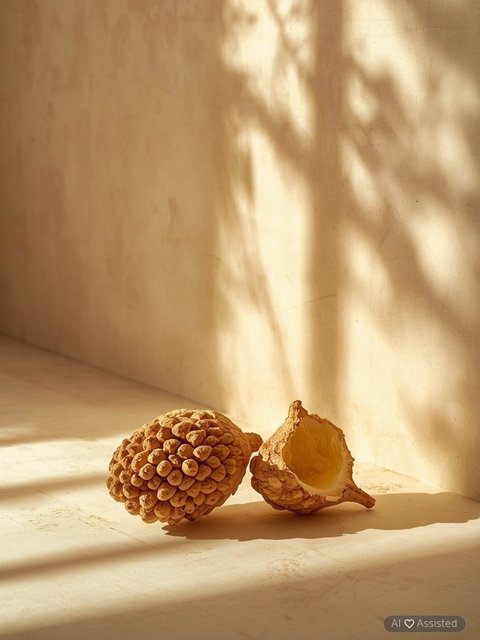
Devil's claw (Harpagophytum procumbens) is a prostrate perennial herb of the Pedaliaceae family, native to the sandy semi-desert regions of the Kalahari in Namibia, Botswana, and South Africa. The common name refers to the distinctive woody fruit capsules armed with sharp, hooked spines that cling to passing animals. The medicinal material consists exclusively of the tuberous secondary storage roots (Radix Harpagophyti). Harvested after flowering, these subterranean tubers are sliced, dried, and processed into standardized dry extracts, tinctures, and therapeutic topicals.
Active Compounds: Harpagoside, Iridoid Glycosides, and Flavonoids
The therapeutic hallmark of devil's claw extracts is their concentration of iridoid glycosides, predominantly harpagoside, harpagide, and procumbide. Harpagoside suppresses the expression of cyclooxygenase-2 (COX-2) and inducible nitric oxide synthase (iNOS), dampening the synthesis of pro-inflammatory prostaglandins. In addition, the root provides protective flavonoids (luteolin, kaempferol), phytosterols (beta-sitosterol), and phenolic acids. These components work synergistically to inhibit matrix metalloproteinases, thereby shielding articular cartilage from enzymatic degradation.
Analgesic Efficacy in Osteoarthritis and Back Pain
Numerous clinical trials substantiate the efficacy of standardized devil's claw extract in managing chronic musculoskeletal disorders. Consistent administration delivers tangible pain relief for individuals with osteoarthritis of the hip and knee, as well as non-specific lower back pain. Regular supplementation enhances joint flexibility, reduces morning stiffness, and allows many patients to reduce their intake of conventional non-steroidal anti-inflammatory drugs (NSAIDs), minimizing common gastrointestinal side effects associated with synthetic painkillers.
Dosage Guidelines, Formulations, and Contraindications
Phytotherapy protocols recommend standardized dry extracts delivering between 50 and 100 mg of pure harpagoside daily, taken in divided doses with meals for a duration of 8 to 12 weeks. Topical balms and gels offer supportive relief for targeted areas. Although generally well-tolerated, devil's claw stimulates gastric acid secretion, making it contraindicated in individuals with active peptic ulcers or gallstones. Due to insufficient safety data, pregnant and nursing women should avoid the herb, and patients taking anticoagulants or cardiac medications must consult their physician before use.
Tags

Oliwia Kaczmarek
✓Diets Premium Expert
Diets Premium team expert. Specializes in nutrition plans, strength sports, and training plans.
View Profile →