1 / 1
1 zdjęcie
405
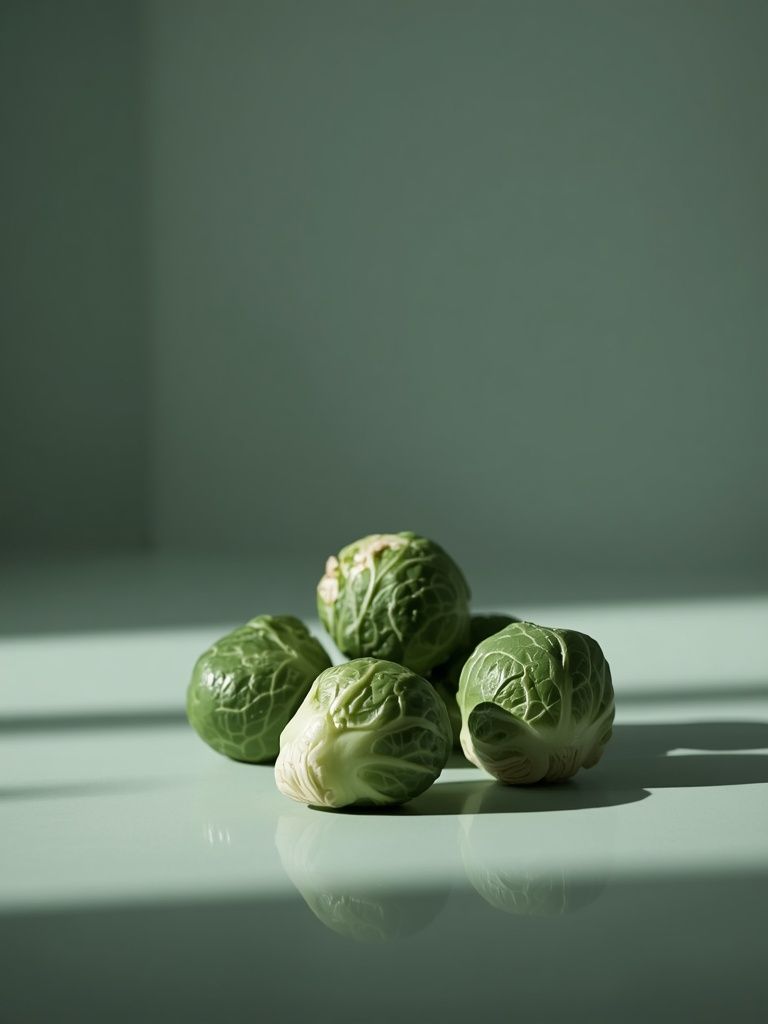
Rosenkohl – ein Kreuzblütler-Gemüse mit dem höchsten Vitamin-C-Gehalt
Rosenkohl
Gemüse
Kreuzblütler-Gemüse
Kohl
Vitamine
Vitamin C
Frisch
Olivia Davis
Autor
2026-09-24
Datum
2 Min. Lesezeit
article.read_time
2
Kapitel
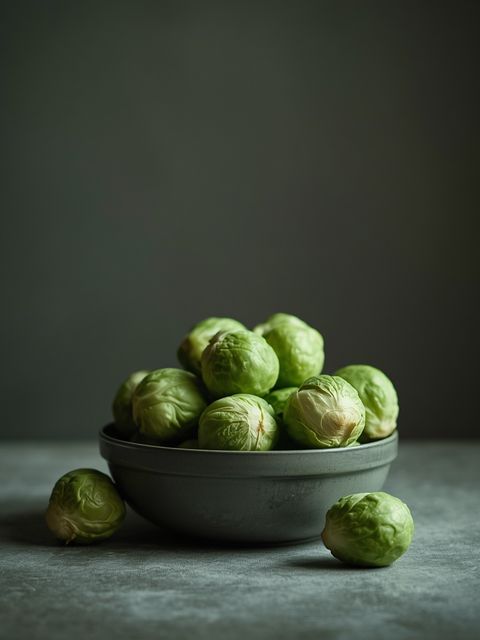
Unter allen Kreuzblütlern zeichnet sich Brüssel durch den höchsten Gehalt an Vitamin C aus. Ascorbinsäure ist sehr empfindlich gegenüber hohen Temperaturen und neigt dazu, sich leicht zu oxidieren, weshalb es am besten ist, frische Brüssel zu verzehren und einer kurzen Wärmebehandlung zu unterziehen.
Brussels sprouts – nutritional properties and health benefits
Among cruciferous vegetables, Brussels sprouts stand out due to their exceptionally high vitamin C content, which is highly sensitive to heat and prone to oxidation. For this reason, consuming them fresh with minimal thermal processing is optimal. Additionally, Brussels sprouts are abundant in tannins—phenolic compounds with anti-inflammatory properties that aid in the treatment of skin and mucous membrane disorders. This vegetable is also a rich source of minerals such as calcium, iron, phosphorus, zinc, and copper, all of which play a vital role in cardiovascular health. Due to its folic acid content, Brussels sprouts are particularly recommended for pregnant women and those planning pregnancy, as they enhance fertility. The presence of sulforaphane, a potent antioxidant, may offer protection against certain cancers and support recovery. With a low caloric value and high fiber content, Brussels sprouts are an excellent choice for weight-loss diets. However, they contain thiocyanates, which can interfere with iodine absorption, making them less suitable for individuals with thyroid conditions.
Culinary and nutritional applications of Brussels sprouts: evidence-based preparation guidelines
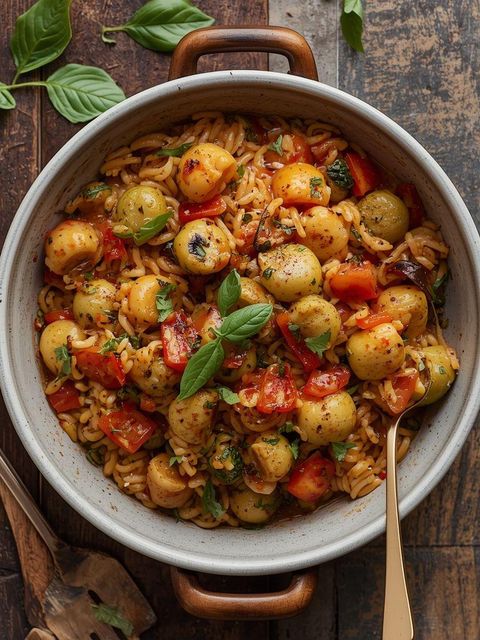
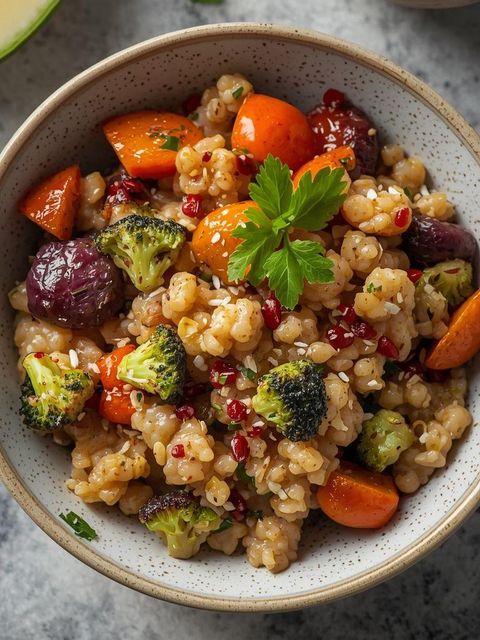
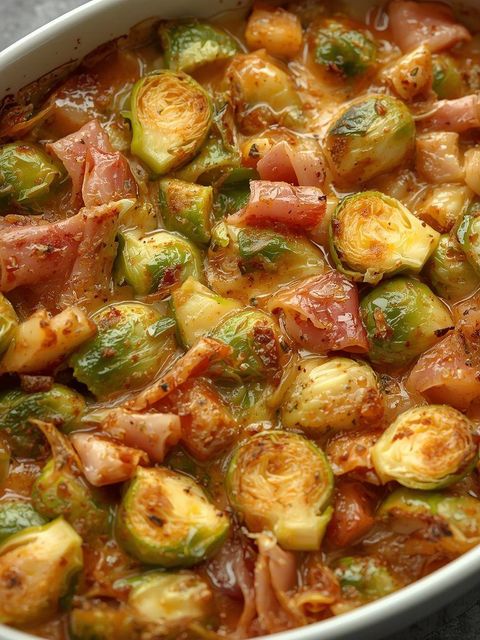
Brussels sprouts, a vegetable distinguished by its pronounced, slightly bitter flavor profile, require careful preparation to preserve their unique nutritional and culinary attributes. Improper thermal processing—particularly prolonged cooking at high temperatures—results in the degradation of myrosinase, the critical enzyme responsible for activating the bioactive compounds present in this cruciferous vegetable. The most effective cooking methods include brief steaming or blanching, which minimize nutrient loss while retaining texture and flavor. This vegetable serves equally well as a component of main courses or as a flavorful addition to vegetable soups and stews. Raw consumption is also feasible, though its inherent bitterness can be mitigated by adding milk to the boiling water or a pinch of cinnamon during steaming. Owing to its versatility, Brussels sprouts represent a valuable element of a balanced, nutrient-rich diet.