
1 / 1
1 zdjęcie
451
Favismus – wer sollte Saubohnen meiden?
Sommerernährung
Gedämpft
Obst
Roh
Bohnen
Ohne Kochen
Salzwasser
Gesalzen
Laura Schneider
Autor
2026-09-25
Datum
3 Min. Lesezeit
article.read_time
4
Kapitel
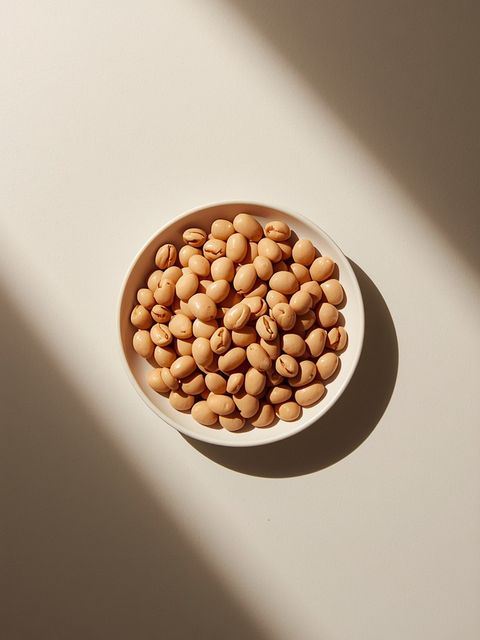
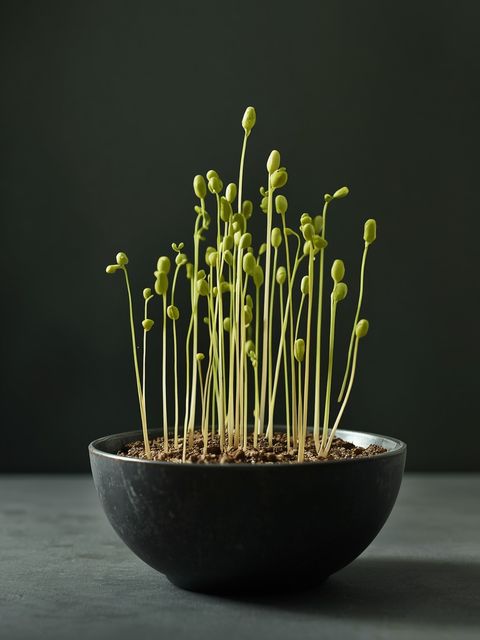
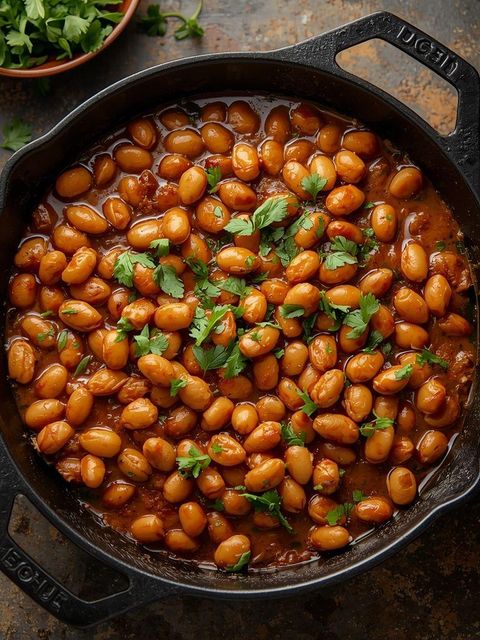
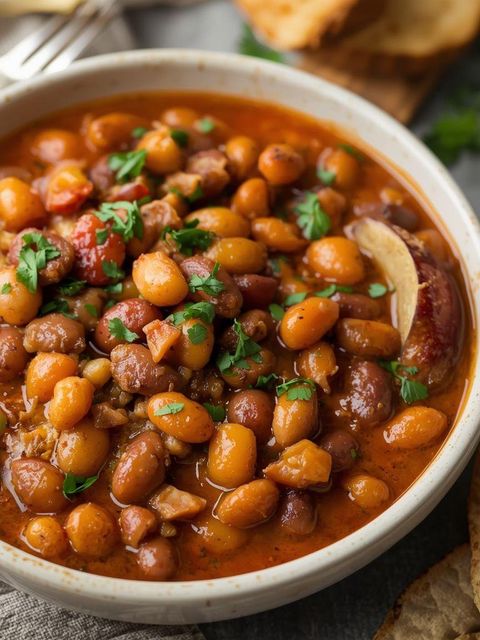
Die grünen, großen Bohnen sind die Früchte der Knollengewächspflanze, die reich an Nährstoffen sind, die für die Aufrechterhaltung der Gesundheit von wesentlicher Bedeutung sind. Im Sommer greifen wir gerne nach den schmackhaften Bohnen, wenn sie auf Märkten und Ständen zu erscheinen beginnen. Wir kochen rohe Bohnen dampfgegart oder in gesalzenem Wasser und essen sie dann nach dem Entfernen der Schale mit Geschmack. Bohnen sind in der Regel nicht schädlich für den Organismus, es gibt jedoch eine bestimmte Krankheit namens Favismus, die dazu führt, dass Bohnen giftig werden!
Glukose-6-Phosphat-Dehydrogenase-Mangel (Favismus – genetische Bohnenunverträglichkeit)
Der sogenannte "Favismus" – umgangssprachlich auch als "Bohnenkrankheit" bezeichnet – repräsentiert eine erblich bedingte Stoffwechselstörung, die auf einem Mangel des essenziellen Enzyms Glukose-6-Phosphat-Dehydrogenase (G6PD) beruht. Diese angeborene Enzymdysfunktion führt zu einer erhöhten Anfälligkeit für hämolytische Krisen nach Exposition gegenüber spezifischen Auslösern, darunter der Verzehr bestimmter Hülsenfrüchte (insbesondere Saubohnen), bestimmte Medikamente oder Infektionen. Epidemiologische Daten zeigen eine deutlich höhere Prävalenz bei Männern, was auf den X-chromosomal-rezessiven Erbgang zurückzuführen ist: Während Frauen häufig als Überträgerinnen der Mutation fungieren, manifestiert sich die symptomatische Form der Erkrankung vorrangig im männlichen Geschlecht.
Favismus: Klinische Symptomatik und auslösende Faktoren der pathologischen Reaktionen
Betrachten wir die Etymologie und den medizinischen Kontext des Begriffs "Favismus", der sich vom lateinischen *Vicia faba* – dem wissenschaftlichen Namen der Saubohne – ableitet. Diese Erkrankung, die als angeborene hämolytische Anämie klassifiziert wird, manifestiert oder verschlimmert sich durch den Verzehr roher Saubohnen (*Vicia faba*) sowie durch den Kontakt mit deren Pollen. Laut Fachleuten des begutachteten Journals *American Family Physician*, herausgegeben von der American Academy of Family Physicians, erleben Patienten mit diagnostiziertem Favismus akute Krankheitsepisoden nicht nur nach dem Konsum von Saubohnen, sondern auch nach dem Verzehr anderer Hülsenfrüchte wie der Gemeinen Bohne (*Phaseolus vulgaris*), der Erbse (*Pisum sativum*), der Linse (*Lens culinaris*) oder der Kichererbse (*Cicer arietinum*).
Der Pathomechanismus der Erkrankung basiert auf einem massiven Erythrozytenabbau (Hämolyse), der zu einer schweren hämolytischen Anämie sowie zu einer Gelbsucht führt – gekennzeichnet durch eine Gelbfärbung der Haut und Schleimhäute aufgrund eines erhöhten Bilirubinspiegels. Begleitsymptome umfassen wiederkehrende Übelkeit mit Erbrechen, intensive, diffuse Kopfschmerzen, abdominal und lumbal lokalisierte Schmerzen, chronische Müdigkeit metabolischen Ursprungs sowie eine dunkle, bräunlich-rote Verfärbung des Urins (Hämoglobinurie) als Folge der Freisetzung von Hämoglobin aus zerstörten roten Blutkörperchen.
Genetische Ursachen des G6PD-Mangels: Vererbungsmechanismen und metabolische Folgen
Der Mangel an Glucose-6-Phosphat-Dehydrogenase (G6PD) stellt eine X-chromosomal verknüpfte Stoffwechselstörung dar, deren Vererbung den Prinzipien der geschlechtsspezifischen Genetik unterliegt. Das für dieses essentielle Enzym des Kohlenhydratstoffwechsels kodierende Gen befindet sich auf dem langen Arm des X-Chromosoms (Xq28), einem der beiden Gonosomen, die das biologische Geschlecht beim Menschen bestimmen. Aufgrund der heterochromosomalen Konstellation des 23. Chromosomenpaars (Frauen: XX; Männer: XY) tritt die symptomatische Form der Erkrankung bei Männern deutlich häufiger auf, da sie lediglich eine Kopie des X-Chromosoms besitzen. Frauen können zwar Trägerinnen der Mutation sein, bleiben jedoch oft phänotypisch unauffällig, während sie die defekte Genvariante asymptomatisch an ihre Nachkommen weitergeben. Dieser Mechanismus lässt sich durch funktionelle Kompensation erklären: Bei Vorliegen einer intakten Genkopie kann die zweite, mutierte Kopie klinisch stumm bleiben. G6PD spielt eine zentrale Rolle im Pentosephosphatweg der Erythrozyten, wo es die Reduktion von NADP+ zu NADPH katalysiert – einem essentiellen Kofaktor für die Regeneration von reduziertem Glutathion (GSH). GSH wirkt als antioxidativer Schutzmechanismus gegen oxidativen Stress durch Neutralisation reaktiver Sauerstoffspezies. Ein Defizit führt zu vorzeitiger Hämolyse der roten Blutkörperchen, was sich in hämolytischer Anämie, Hyperbilirubinämie (Gelbsucht) sowie systemischen Hypoxie-Symptomen wie Kopfschmerzen, Übelkeit, Schwäche und erhöhter Ermüdbarkeit äußert.
Favismus: Genetische Prädispositionen und epidemiologische Risikofaktoren für die Erkrankung
Favismus repräsentiert eine erblich bedingte Stoffwechselstörung, die auf einem genetischen Defekt beruht, welcher insbesondere von der Mutter an das Kind weitergegeben wird. Statistisch gesehen betrifft die Erkrankung Männer deutlich häufiger als Frauen, was auf eine mögliche Verbindung mit dem X-Chromosom hindeutet. Bemerkenswert ist zudem die geografische Verteilung: Die höchste Prävalenz wird in den Bevölkerungsgruppen rund um das Mittelmeer, auf dem afrikanischen Kontinent sowie in den Regionen Südwestasiens beobachtet. In Polen wird Favismus vergleichsweise selten diagnostiziert – Schätzungen zufolge sind etwa 0,1 % der Bevölkerung betroffen. Dennoch sollte trotz der potenziellen Risiken, die mit der Unverträglichkeit bestimmter Hülsenfrüchte einhergehen, nicht pauschal auf deren Verzehr verzichtet werden, sofern keine medizinische Kontraindikation vorliegt. Diese Pflanzen sind eine wertvolle Quelle pflanzlichen Proteins, Ballaststoffen und Mikronährstoffen, und ihre Integration in die tägliche Ernährung – als Alternative zu Fleischprodukten – kann nicht nur den Geschmackshorizont erweitern, sondern auch zu einer ausgewogenen und gesundheitsfördernden Ernährungsweise beitragen.