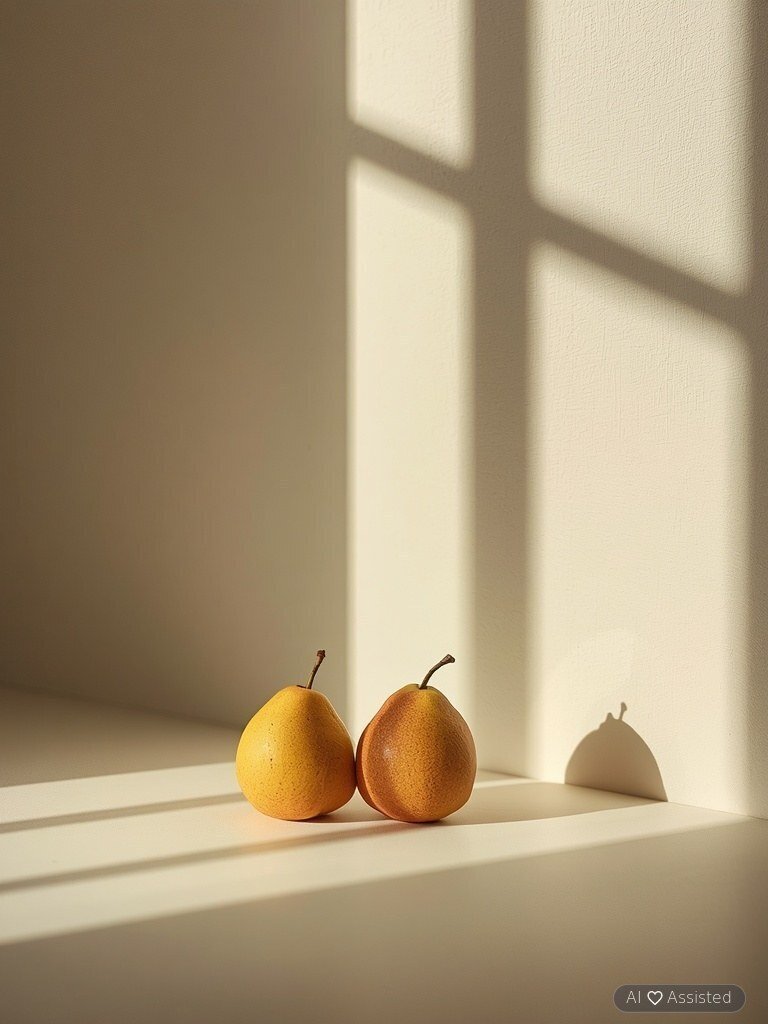
Unikalne właściwości pigwy wykraczają daleko poza jej tradycyjne zastosowania kulinarne

| Ekspert Diets Premium David Janitzek | min czytania 2 min | Zweryfikowane merytorycznie przez dietetyka klinicznego 23.10.2026 |
Odtwarzacz głosowy
•Odsłuchaj treść artykułu na żywo
Pigwa pospolita (Cydonia oblonga), zwana „złotym jabłkiem”, to owoc o niezwykłych walorach zdrowotnych, od stuleci ceniony w medycynie naturalnej. Charakteryzuje się bardzo wysoką zawartością witaminy C, garbników ściągających, pektyn oraz polifenoli. W artykule przedstawiamy jej profil biochemiczny, rolę we wzmacnianiu odporności oraz tradycyjne i nowoczesne receptury na przetwory lecznicze.
Chcesz wdrożyć te zasady w codziennej diecie?
Nasz inteligentny generator ułoży dla Ciebie zbilansowany jadłospis w 3 minuty, uwzględniając zalecenia z tego artykułu.
Nutritional Profile of Quince: Vitamin C, Astringent Tannins, and Pectin
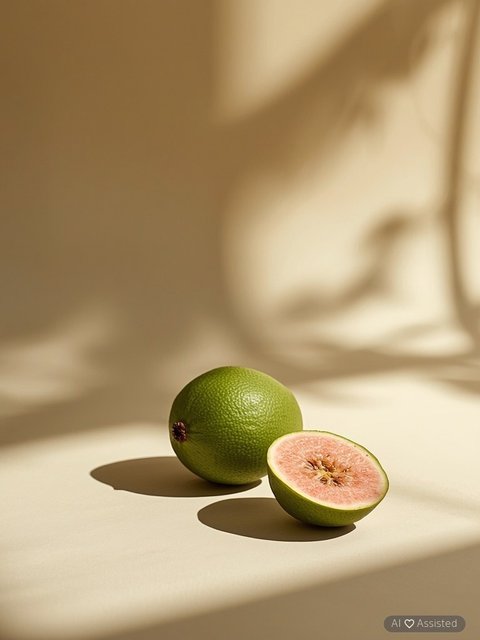
Fresh quince fruits feature dense, astringent flesh exuding a complex fragrance reminiscent of pineapples and citrus. A 100-gram serving provides 15–30 mg of L-ascorbic acid alongside provitamin A, B-complex vitamins, potassium, magnesium, and iron. Its characteristic tart astringency arises from concentrated polyphenolic tannins that exert protective anti-inflammatory, bacteriostatic, and membrane-tightening actions across the digestive tract. Furthermore, quince is packed with high-molecular-weight pectins that bind dietary lipids and stabilize gut peristalsis.
Immunomodulatory Properties and Upper Respiratory Infection Support
In traditional phytotherapy, warm quince infusions and syrups rank among the most revered natural remedies for seasonal coryza, pharyngitis, and viral respiratory infections. The synergy of ascorbic acid, malic acid, and plant tannins stimulates leukocyte activity while impeding microbial adhesion. Furthermore, natural mucilage extracted from quince seeds forms a soothing protective colloid over inflamed pharyngeal membranes, alleviating dry persistent cough and hoarseness.
Culinary and Therapeutic Preparations: Syrups, Jellies, and Roasted Quince
Owing to its dense cellular lignification and astringency, quince is rarely eaten in its raw state. A timeless household preparation is raw quince syrup: thinly sliced fruit is macerated with raw honey or xylitol, yielding an aromatic, vitamin-C-rich elixir for hot tea. Due to its massive natural pectin content, quince is the premier fruit for firm jellies and pastes (the word 'marmalade' derives etymologically from the Portuguese marmelo, meaning quince). Baked with cinnamon and cloves, it provides an exquisite accompaniment to roast meats or desserts.

mgr David Janitzek
✓Ekspert Diets Premium
Ekspert zespołu Diets Premium. Specjalizuje się w planach żywieniowych, sportach siłowych oraz planach treningowych.
Zobacz profil →