Understanding and Applying Energy Density in Your Diet

Isabella Taylor
2026-03-25
6 min. read
1 / 1
1954
views
1 zdjęcie
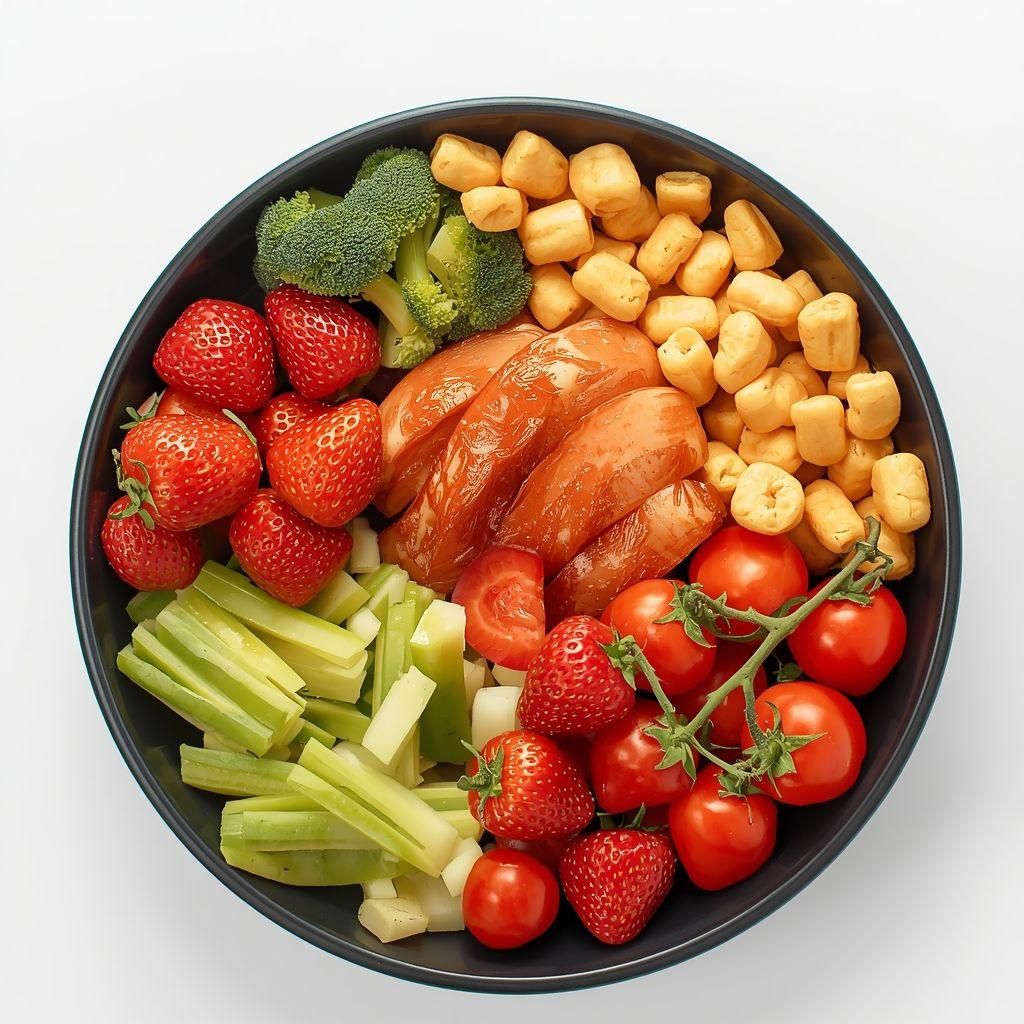
Numerous individuals can enumerate a few products that aid in weight loss and a few that contribute to weight gain, but not everyone is cognizant of the fact that these attributes are predominantly contingent on the energy density of the product. What does this term signify and how can one harness this knowledge in everyday life?
What is encompassed by the term energy density?
The term energy density refers to the amount of kilocalories provided by a certain volume of a product. It is most commonly expressed in units of kcal/g or kcal/100 g, although it can also be found as kcal/ml (for beverages and other liquids). The range of values for this parameter lies between 0 and 9 kcal/g. Four main categories of products can be distinguished based on their energy density: products with very low energy density: < 0.6 kcal/g, products with low energy density: 0.6-1.5 kcal/g, products with medium energy density: 1.6-3.9 kcal/g, and products with high energy density: > 4 kcal/g.
You have started reading a PRO article
You can preview the first chapter. To read the complete article and unlock all content, upgrade to a PRO account.