Is a Gluten-Free Diet Healthy or Merely Trendy?

Anna Schmidt
2026-03-24
9 min. read
1 / 1
1882
views
1 zdjęcie
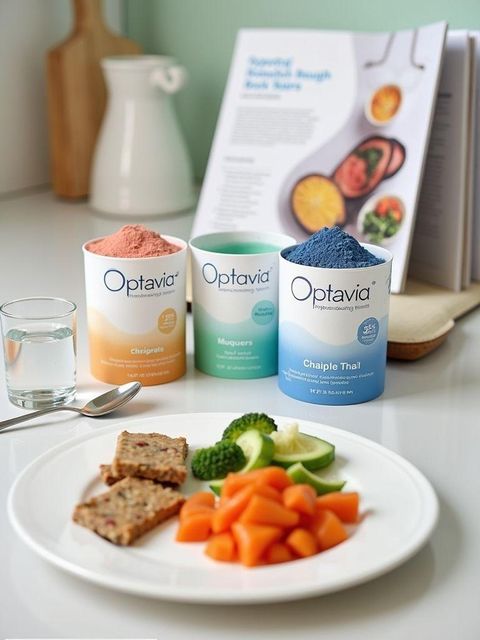
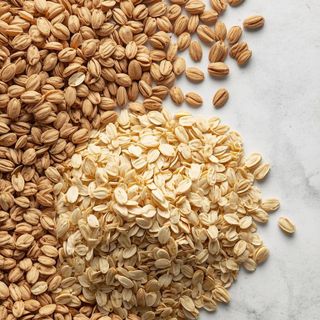
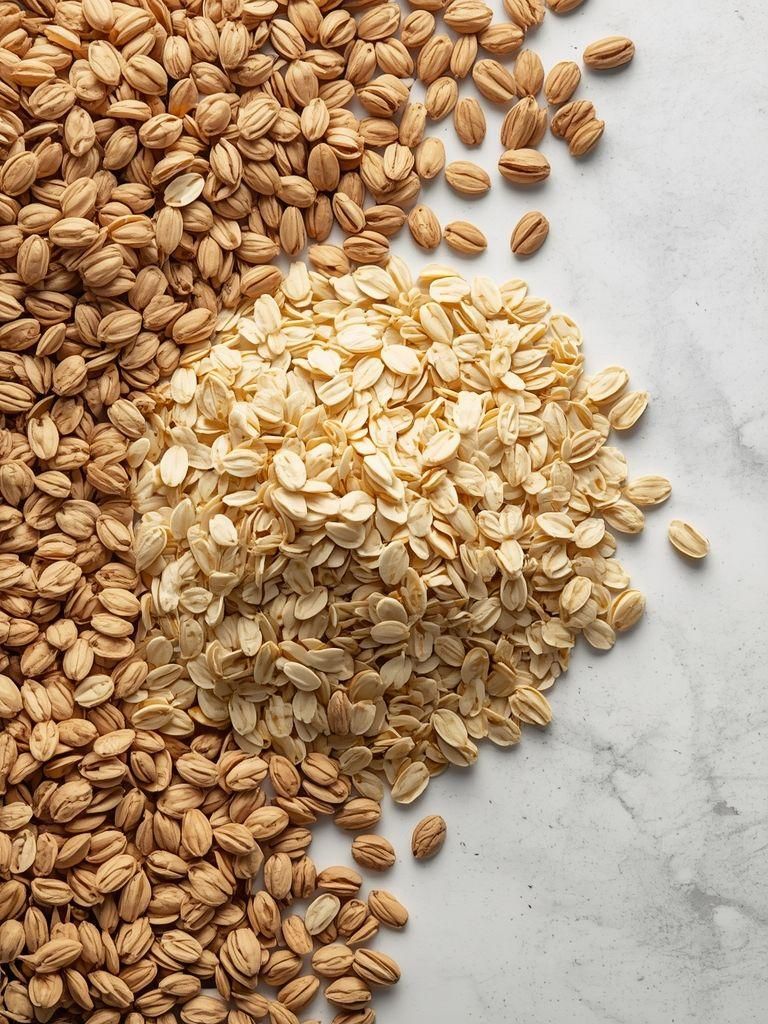
Gluten, a component of cereals, has gained significant popularity in recent years as a cause of many ailments. However, there are only a few cases where a gluten-free diet is justified, not just in celiac disease. Gluten is present in the seeds of wheat (gliadin), rye (hordein), and barley (secalin). It can also occur in oats, where it is often contaminated with other cereals. In Poland, certified oat products produced in Finland are available, which guarantee that they are gluten-free. Although gluten is not toxic, a gluten-free diet has become extremely popular. It has been attributed with weight loss and alleviation of various ailments. Is this true?
Dieta bezglutenowa – kiedy jest ona konieczna?
Osoby cierpiące na celiakię oraz alergię na gluten powinny przestrzegać diety bezglutenowej. Główna różnica między tymi dwiema schorzeniami polega na mechanizmach, które wywołują objawy. W przypadku alergii na gluten występują przeciwciała IgE, natomiast w celiakii występują przeciwciała skierowane przeciwko endomysium i transglutaminazie tkankowej. Ponadto, w przypadku celiakii, obserwuje się zanik kosmków jelitowych. Najważniejsze jest to, że dieta bezglutenowa powinna być przestrzegana przez całe życie przez osoby cierpiące na celiakię. W przypadku alergii na gluten, eliminacja glutenu nie musi być dożywotnia, ale jedynie na pewien czas, po którym można próbować ponownie wprowadzić gluten do diety. Istnieje również kontrowersyjna jednostka chorobowa, która wymaga specyficznej diety – nieceliakalna nadwrażliwość na gluten.
You have started reading a PRO article
You can preview the first chapter. To read the complete article and unlock all content, upgrade to a PRO account.