Gluten-Free Diet: Is it valuable to adopt it without medical recommendations?

Tomasz Jankowski
2026-03-19
8 min. read


1 / 1
1880
views
1 zdjęcie
The gluten-free diet has gained considerable popularity among both individuals suffering from celiac disease and those without medical grounds for its use. Many people perceive avoiding gluten as an easy way to enhance quality of life, improve health, and reduce weight. What should one know about gluten, who should limit this substance, and what possible health implications does the use of a gluten-free diet without specific medical guidance entail? Is it advisable to transition to a gluten-free diet without explicit medical recommendations? Does such elimination truly bring benefits?
What is gluten?
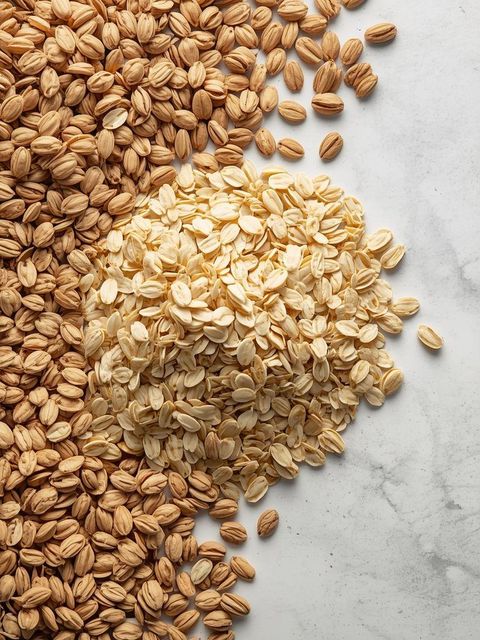
Gluten is a combination of plant proteins that naturally occur in certain grains such as wheat, rye, and barley. Its main components, glutenin and gliadin, are responsible for the elasticity and resilience of dough, which is crucial in the baking process of bread and other baked goods. In general, gluten is easily digested by healthy individuals. However, for those suffering from celiac disease, non-celiac gluten sensitivity, wheat allergy, or gluten allergy, the consumption of gluten can lead to serious health issues. Therefore, these individuals must purchase gluten-free products, ideally with the symbol of a crossed-out ear of wheat, which guarantees the absence of gluten in the product as it was produced under special conditions.
You have started reading a PRO article
You can preview the first chapter. To read the complete article and unlock all content, upgrade to a PRO account.