Culinary treasures from quince fruit: beverages, cordials, preserves, syrups, and fragrant quince-infused teas

Max Müller


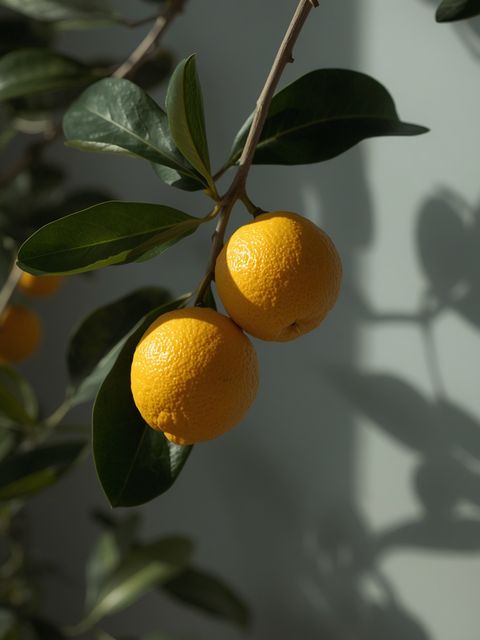
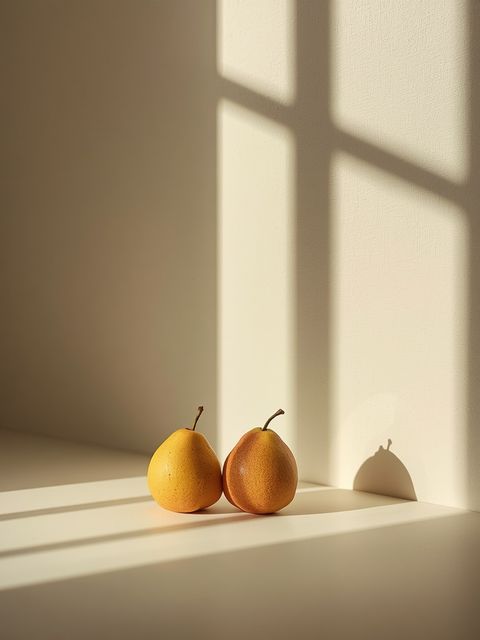
The quince shrub, scientifically classified under the genus Chaenomeles, is predominantly cultivated as an ornamental plant, prized for its striking visual appeal. Its abundant blossoms—ranging from delicate pinks to vibrant reds and pristine whites—transform gardens into vibrant displays during the early spring months. The fruit of the quince—small, yellow to orange, and apple-shaped—not only adds aesthetic charm but also harbors a rich nutritional profile and distinctive flavor. This plant exhibits remarkably undemanding cultivation requirements: it thrives best in full sunlight and well-drained yet consistently moist soil, without the need for excessive maintenance.
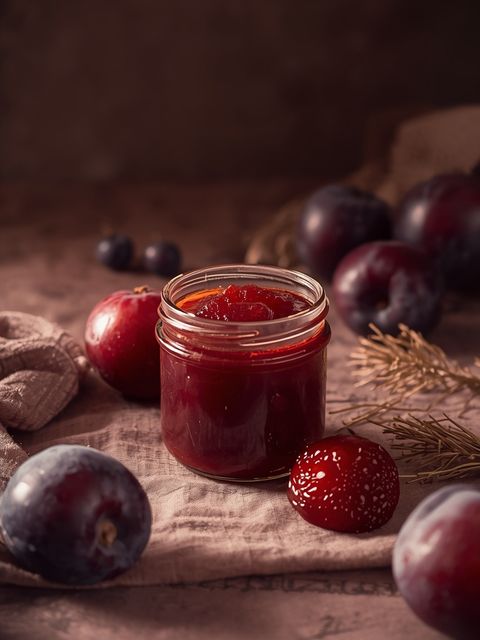
Notably, the quince demonstrates a degree of cold hardiness, making it a viable option even for cooler climates. Its care regimen is straightforward, with routine pruning promoting both abundant fruiting and the desired shrub shape. While the raw fruit possesses an astringent quality, once processed—whether into jams, syrups, or liqueurs—it develops a uniquely balanced sweet-tart flavor profile that pairs exceptionally well with desserts, beverages, and culinary creations. The versatility of quince extends beyond its ornamental value, offering a spectrum of gastronomic possibilities that highlight its underappreciated potential.
Pigwa is of origin
You have started reading a PRO article
You can preview the first chapter. To read the complete article and unlock all content, upgrade to a PRO account.