Manufacture and attributes of dried vegetables and fruits - examination of benefits and drawbacks

Mateusz Pawlak
2026-03-24
6 min. read

1 / 1
8
views
1 zdjęcie
Vegetables and fruits are widely recognized as high-nutrient products that are essential for our bodies. The best way to consume them is in the least processed form, i.e. raw. Unfortunately, vegetables and fruits are prone to spoil over a long period of time, which is a significant drawback. One of the methods of preserving vegetables and sweet crops is by drying, which allows for the retention of their nutritional value. In this article, we will examine how the drying method affects the nutritional value of the product and what changes we can observe in their structure and quality. Is it worth consuming dried vegetables and fruits?
The production of dried fruits and vegetables – processing technology, nutritional properties, and quality implications
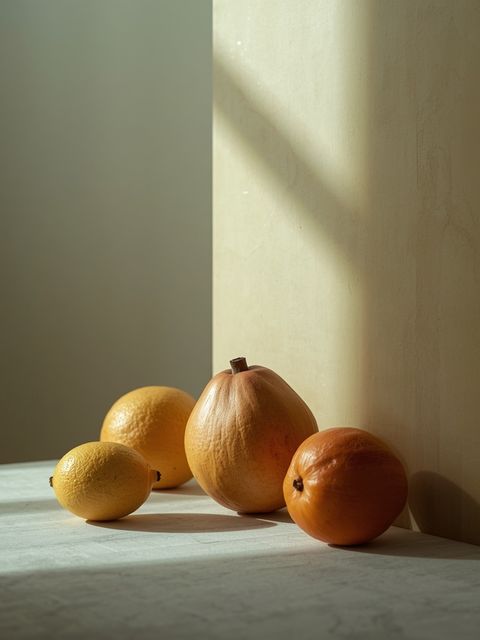
Drying represents one of the oldest and most effective food preservation techniques, designed to substantially extend the shelf life of fresh plant-based products. Given their high water content—ranging from 80–90% in fruits to as much as 95–98% in vegetables—these raw materials are particularly susceptible to microbial spoilage and enzymatic degradation. The drying process reduces moisture levels to approximately 10–12% in vegetables and 17–25% in fruits, thereby inhibiting microbial growth and biochemical reactions responsible for the loss of pigments, vitamins, and other bioactive compounds. The elevated temperatures applied during drying also eliminate existing pathogens, ensuring the microbiological safety of the final product. To further prevent oxidation and discoloration, producers frequently employ sulfites, though these compounds are recognized as potential allergens. For instance, dried apricots retain their vibrant color due to preservatives, whereas unsulfured varieties develop a caramelized hue. Drying significantly impacts the sensory attributes, texture, and nutritional value of products: it reduces volume and mass while concentrating nutrients, yet simultaneously leads to losses of heat-sensitive compounds. An additional consequence is non-enzymatic browning, which alters color, taste, and aroma—some products, such as dried mushrooms or parsley, gain intensity, while others, like prunes, may become less appealing. It is also important to note that dried fruits and vegetables exhibit a higher caloric density per unit weight, as the removal of water condenses the energy derived from sugars and macronutrients.
You have started reading a PRO article
You can preview the first chapter. To read the complete article and unlock all content, upgrade to a PRO account.