The GAPS Diet - Benefits, Drawbacks, Who It's Recommended For

Alicja Kowalska
2026-03-19
7 min. read


1 / 1
1876
views
1 zdjęcie
The impact of diet on health is a widely debated and researched topic. For years, scientists and professionals have been working on explaining these mechanisms, leading to the emergence of various theories and models of nutrition, including the GAPS diet in the early 21st century. What exactly is the GAPS diet, what is its fundamental purpose, what are its main rules, and who is it most recommended for?
The GAPS diet – characterized
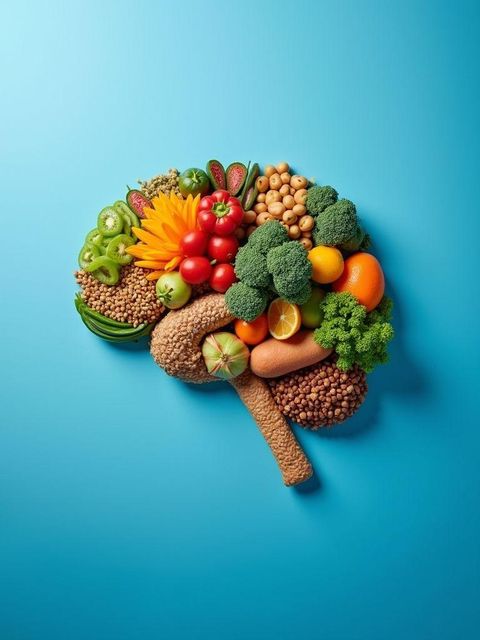
Gut and Psychology Syndrome (GAPS) was described in 2004 by Dr. Natasha Campbell-McBride in her book GAPS: Gut-Brain Syndrome. The concept is based on the interaction between the brain and the digestive tract, which allows these organs to interact with each other. Disorders in the function of the intestines can impair their ability to protect against harmful bacteria and toxins from food and the external environment, leading to inflammation, disease (e.g. Crohn's disease, autism spectrum disorder, depression, and ADHD), and food allergies and intolerance. According to the GAPS diet concept, it is possible to prevent and reverse this process through the application of an appropriate diet. However, it is important to emphasize that this concept is based solely on the observations of the author and that there is currently a lack of reliable data collected on the basis of observations of a large group of patients in clinical studies that would confirm the existence of this syndrome and its associated consequences.
You have started reading a PRO article
You can preview the first chapter. To read the complete article and unlock all content, upgrade to a PRO account.