Is it Rational to Categorize Products as Healthy or Unhealthy?

Emilia Szymańska
2026-03-25
6 min. read


1 / 1
2062
views
1 zdjęcie
Health and well-being are founded on a holistic approach, providing the body with all necessary nutrients. Maintaining balance and variety in diet, proper hydration of the body, individually tailored physical activity, appropriate sleeping hours, relaxation techniques, and stress management strategies are essential. It is fundamental to perceive the body as a whole and take care of both physical and mental health. In pursuit of health goals, one can fall into extremes by categorizing products as "good" or "bad". Can consumed products be accurately classified as healthy or unhealthy? What is the basis for this categorization?
Categorization of food products into healthy and less healthy - is this a sensible approach
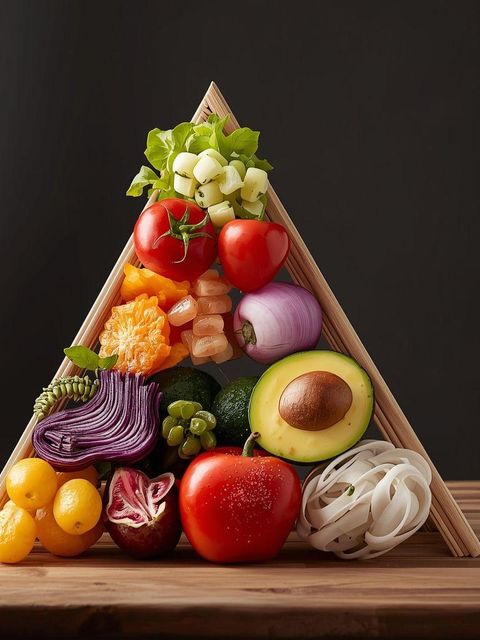
Nutritional perfectionism can manifest as excessive control over everything that is consumed. However, what does it mean to eat healthy or unhealthy food? A healthy diet does not have rigid rules that exclude unhealthy products. Some products can be more valuable, while others less, but it depends on the goal you want to achieve. It is also important to consider the amount of consumed products, as too much can be harmful and should be adapted to the state of health. What is good for one person may be harmful for another. Conclusion - there are no products that are healthy or unhealthy for everyone. It does not make sense to classify products as healthy or unhealthy without reference to a specific goal. A more appropriate division would be into low- or high-processed products, but even here a reference point must be found. The NOVA classification can be helpful in this matter, as it divides food into four groups.
You have started reading a PRO article
You can preview the first chapter. To read the complete article and unlock all content, upgrade to a PRO account.