Nutrition and Acne – a Current Literature Review

Felix Weber
2026-03-22
8 min. read
1 / 1
1894
views
1 zdjęcie
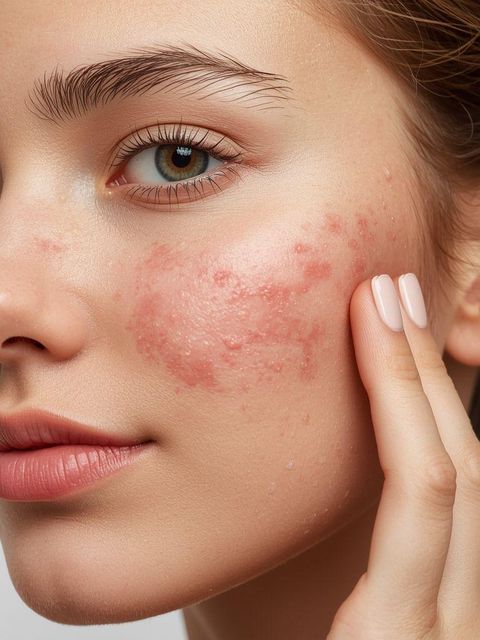
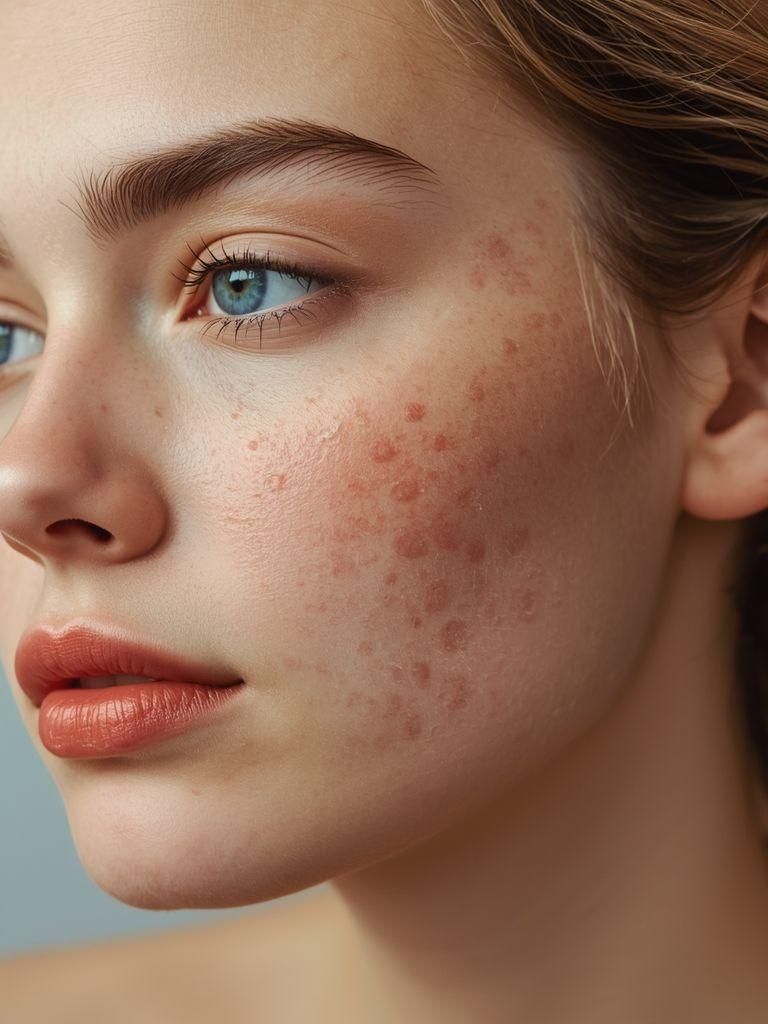
Despite the passage of time, numerous popular myths about acne continue to circulate, including those related to nutrition. The role of diet can be considered significant, yet it is unclear how effective a particular dietary approach can be in alleviating the symptoms of this condition. The frequency of acne in Western countries cannot be easily explained solely by genetic inheritance, and lifestyle likely plays a significant role as well. What can be considered a genuine threat to skin health, and what as mythical folklore? In this article, we will present the latest scientific data on the impact of diet on skin condition.
Chronic skin state
The pathogenesis of this complex skin condition involves increased sebum secretion and excessive keratin accumulation. As suggested by R. N. Smith and colleagues in their study, the severity of acne may be related to the levels of androgens such as testosterone and dehydroepiandrosterone (DHEAS). These changes can also be exacerbated by insulin and insulin-like growth factors (IGF-1). These changes can persist beyond the adolescent period and even appear for the first time later in life. Adult acne is a condition that occurs after the age of 25 (or earlier) and affects women more often than men. It remains unclear whether a specific diet can support acne management. In the study by M. Markovic and colleagues, it was found that adolescents in Bangladesh reported emotional stress, consumption of sweets, fatty foods, and lack of sleep as factors that exacerbate acne.
You have started reading a PRO article
You can preview the first chapter. To read the complete article and unlock all content, upgrade to a PRO account.