Diet for Insulin Resistance

Mateusz Pawlak
2026-03-25
7 min. read

1 / 1
1799
views
1 zdjęcie
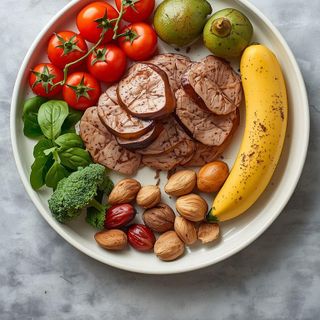
Insulin resistance is one of the most commonly identified metabolic disorders. This condition frequently coexists with ailments such as obesity, type 2 diabetes, hypertension, atherosclerosis, and polycystic ovarian syndrome. To effectively manage insulin resistance, it is crucial to implement suitable alterations to the diet. It is vital to consider which foods should be incorporated into the diet and which should be omitted.
What does insulin resistance mean?
Insulin is a hormone produced by the pancreas that fulfills numerous important functions related to metabolism. These include the transportation of glucose to cells, storage of glucose as glycogen, and involvement in the metabolism of carbohydrates, proteins, and fats. Insulin resistance is a complex pathological condition resulting from a disturbed carbohydrate metabolism. In this state, insulin-dependent cells (including fat cells, muscle cells, and liver cells) exhibit reduced sensitivity to insulin's action, leading to diminished capacity for glucose absorption and utilization. The primary cause of insulin resistance is often an excessive amount of fat tissue resulting from overweight and obesity, triggered by inadequate physical activity and diet. Genetic predisposition, certain medications, and other diseases can also contribute. Symptoms of insulin resistance may include daytime drowsiness (particularly after meals), difficulty falling asleep, fatigue, headache, irritability, cravings for sweets (often after large meals), weight loss resistance, skin changes such as acanthosis nigricans, decreased muscle strength and endurance, as well as co-occurring conditions like hypertension, elevated cholesterol, triglycerides (lipid disorders), and uric acid levels (gout).
You have started reading a PRO article
You can preview the first chapter. To read the complete article and unlock all content, upgrade to a PRO account.