Low-carb diet for limiting their consumption – Trend or actual effects?

Oliwia Kaczmarek
2026-03-24
7 min. read


1 / 1
1914
views
1 zdjęcie
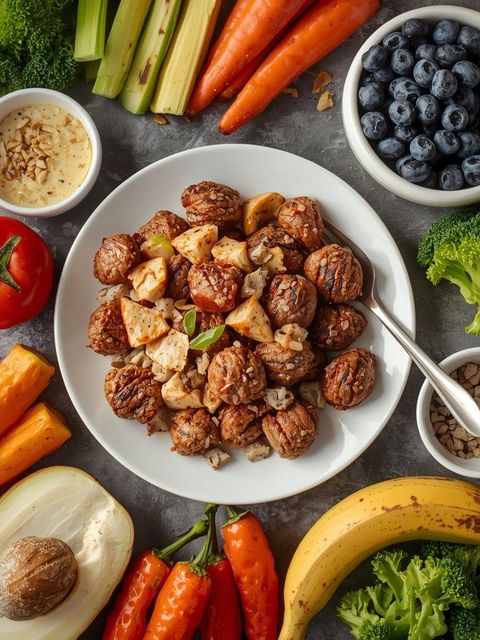
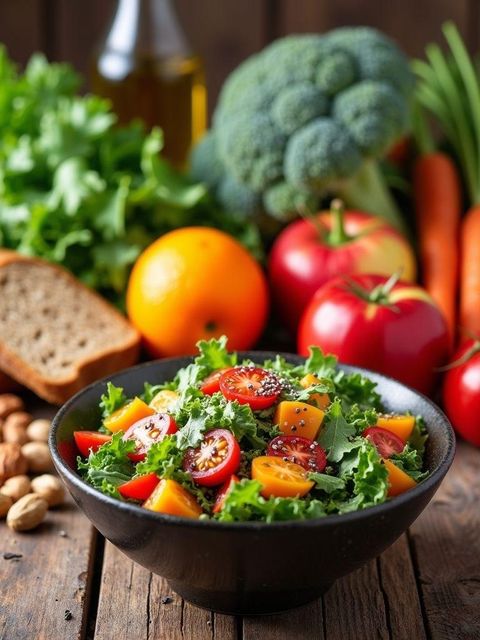
The issue of overweight and obesity is affecting a growing number of individuals.. Stress, low physical activity, and coexisting ailments have a significant impact on this.. To halt or slow down this process, scientists (and not just them) are devising new dietary regimens.. Over the past few years, there has been a noticeable trend towards limiting carbohydrate intake.. Numerous individuals, after witnessing remarkable transformations, take up the challenge and switch to a low-carbohydrate dietary regimen.. Is it genuinely effective? Can everyone adhere to this dietary regimen? Is it healthy?
How does a ketogenic diet function?
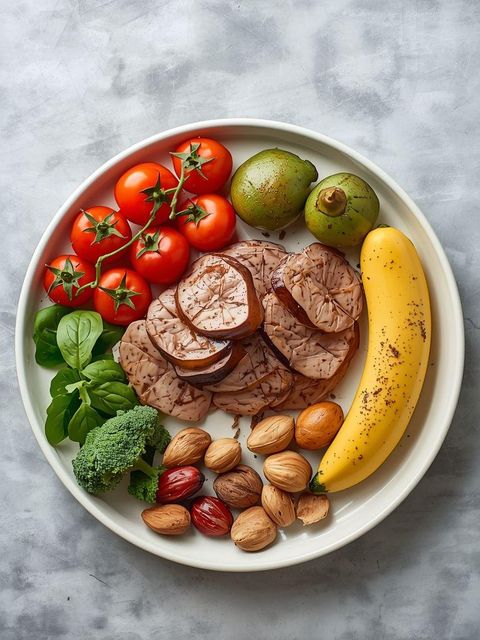
A ketogenic diet is a very well-known and popular dietary approach that allows for a rapid reduction of fat tissue in the body while maintaining a feeling of satiety. The primary goal is to change the proportion of macronutrients consumed. According to IŻŻ recommendations, the diet of an adult should consist of about 10-15% protein, about 30% fat, and 55-60% carbohydrates. However, this breakdown is very simplified, and other factors such as age, physical activity, and health status should also be taken into account when planning meals. In a ketogenic diet, fats are the main source of energy. Depending on the type of diet, carbohydrate intake can be so restricted that proteins and carbohydrates together provide only 10-20% of daily energy, which means that around 80-90% of daily energy intake comes from fats. A high intake of fats can lead to changes in metabolism and the formation of acetone, acetoacetate, and β-hydroxybutyrate, also known as ketone bodies. A high level of ketone bodies in the blood is called ketosis, while in the urine, it is called ketonuria.
You have started reading a PRO article
You can preview the first chapter. To read the complete article and unlock all content, upgrade to a PRO account.