Therapeutic and nurturing properties of selected botanical oils: castor bean oil, black cumin seed oil, jojoba oil, and sea buckthorn oil – a comparative examination

| Diets Premium Expert Emilia Szymańska | min read 4 min | Scientifically reviewed by a clinical dietitian 23.10.2026 |
Smart Voice
•Listen to the article content live
Cold-pressed botanical oils hold an esteemed position in clinical dermatology and trichology. This comparative article examines four unique therapeutic lipid extracts: castor bean oil, black cumin seed oil, jojoba liquid wax, and sea buckthorn pulp oil. We detail their biochemical compositions, physiological mechanisms of action, and targeted applications in managing cutaneous conditions and reinforcing the skin barrier.
Want to apply these guidelines in your daily diet?
Our smart diet generator creates a tailored meal plan in 3 minutes based on the recommendations in this article.
Castor Oil – Ricinoleic Acid and Appendage Keratin Regeneration
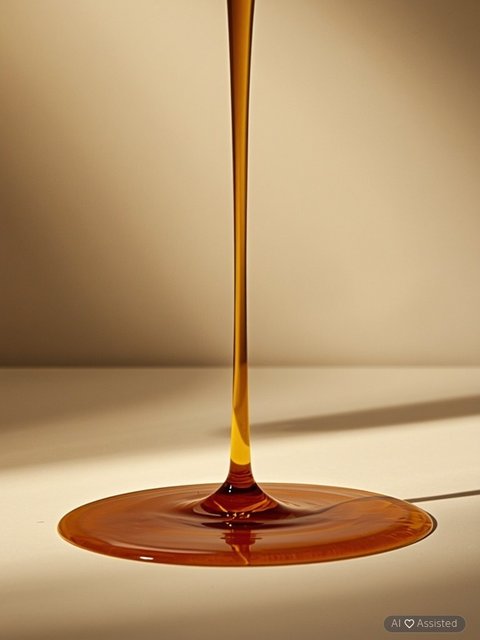
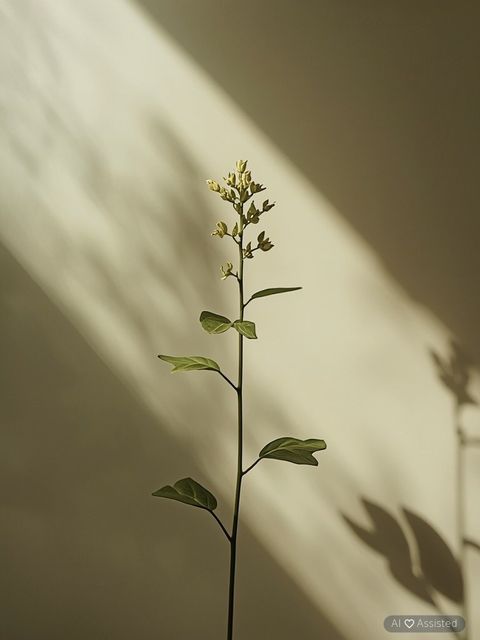
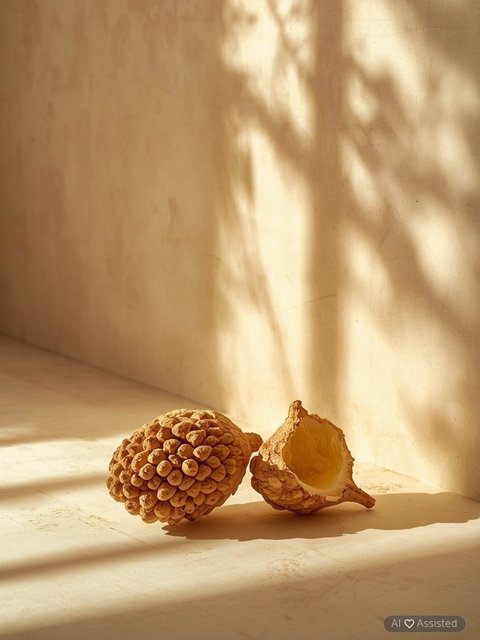
Castor oil, pressed from the seeds of Ricinus communis, is characterized by its high concentration of ricinoleic acid (comprising nearly 90% of total fatty acids)—a unique hydroxylated monounsaturated fatty acid possessing verified antibacterial, analgesic, and anti-inflammatory properties. Its dense molecular viscosity and affinity for keratin make it exceptionally effective for strengthening eyebrows, eyelashes, and fragile hair fibers by sealing hair cuticles and stimulating follicular microcirculation.
Black Cumin Seed Oil – Thymoquinone in Inflammatory Dermatoses
Black seed oil (Nigella sativa) owes its potent clinical efficacy to thymoquinone—a lipophilic phytochemical with substantiated anti-inflammatory, antifungal, and antihistaminic actions. Synergized by essential linoleic acid (omega-6), this botanical oil alleviates inflammatory flares in atopic dermatitis, psoriasis, acne vulgaris, and seborrheic dermatitis by suppressing pro-inflammatory leukotriene and histamine cascades.
Jojoba Oil – Biocompatible Wax Esters and Sebaceous Homeostasis
Jojoba oil (Simmondsia chinensis) is biochemically a liquid wax composed of long-chain wax esters strikingly analogous to human physiological sebum. As a consequence, it features minimal comedogenicity and signals sebaceous glands to moderate excess sebum synthesis via negative biofeedback. It soothes irritation, impedes oxidative photoaging, and repairs the stratum corneum in acne-prone, combination, and sensitive skin types.
Sea Buckthorn Oil – Palmitoleic Acid (Omega-7) and Tissue Repair
Sea buckthorn oil (Hippophae rhamnoides), extracted from pulp and seeds, exhibits an intense fiery hue due to massive carotenoid and tocopherol concentrations. It ranks among the singular richest natural sources of rare palmitoleic acid (omega-7), a critical structural constituent of the epidermal membrane. Sea buckthorn oil accelerates re-epithelialization, promotes granulation tissue in burns and acne scars, and erects a potent antioxidant defense against photoaging.

mgr Emilia Szymańska
✓Diets Premium Expert
Diets Premium team expert. Specializes in nutrition plans, strength sports, and training plans.
View Profile →