2 min czytania
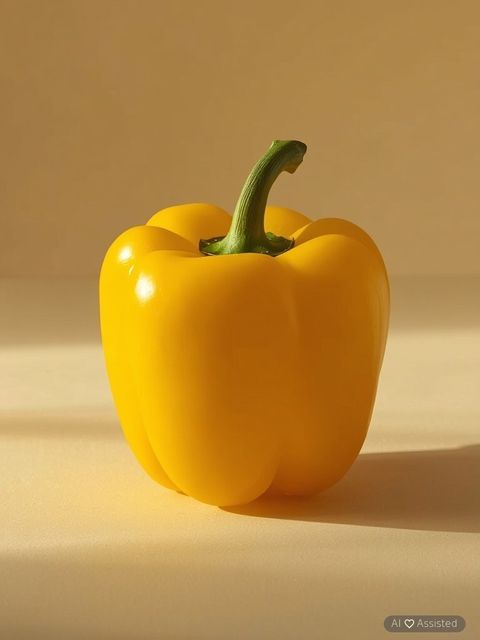
Proszkowana słodka papryka

Isabella Taylor
✓
Ekspert Diets Premium • 24.09.2026
✓
Zweryfikowane merytorycznie przez dietetyka klinicznego:
Treść artykułu została zweryfikowana pod kątem zgodności z normami żywieniowymi IŻŻ, WHO oraz standardami klinicznymi PTGiP.
| Ekspert Diets Premium Isabella Taylor | min czytania 2 min | Zweryfikowane merytorycznie przez dietetyka klinicznego 24.09.2026 |
Odtwarzacz głosowy
•Odsłuchaj treść artykułu na żywo
0:00
/
0:00
Najważniejsze fakty w pigułce
Zawartość żelaza w proszku z słodkiej papryki wynosi około 40 miligramów na każde 100 gramów produktu. Również stężenie cynku i miedzi jest znaczące. Należy pamiętać, że zawartość konkretnych substancji może się wahać w zależności od producenta przyprawy oraz nawet pory roku, w której pozyskano dane warzywo.
Plan Żywieniowy
Chcesz wdrożyć te zasady w codziennej diecie?
Nasz inteligentny generator ułoży dla Ciebie zbilansowany jadłospis w 3 minuty, uwzględniając zalecenia z tego artykułu.
Nutritional composition of sweet bell pepper: Vitamin and mineral profile in powdered and fresh variants
Powdered sweet bell pepper distinguishes itself with a remarkable iron concentration—up to 40 milligrams per 100 grams of product—while also providing meaningful quantities of zinc and copper, though their precise levels may fluctuate based on cultivation practices, drying methodologies, and seasonal harvest variations. The fresh variant serves as an abundant reservoir of antioxidant compounds, albeit in reduced quantities within the powdered form due to thermal processing. Surprisingly, a fraction of vitamin C withstands the dehydration process, retaining its bioactive properties. This critical nutrient plays a pivotal role in reinforcing capillary integrity, preventing the formation of spider veins on the skin’s surface, and supporting periodontal health. The inclusion of paprika powder in digestion-resistant dishes is deliberate: its bioactive constituents enhance enzymatic secretion, alleviate bloating, and promote regular intestinal motility. Additionally, its mild diuretic effect contributes to blood pressure regulation and mitigates the progression of atherosclerotic plaque formation. Dried paprika further stimulates gastric juice production, rendering it a valuable dietary adjunct for individuals with impaired digestion. Its robust, aromatic profile enriches culinary preparations without imposing excessive caloric burden on the metabolic system.
Characteristics and culinary applications of powdered sweet pepper alongside its significance in traditional gastronomy
Powdered sweet pepper imparts a robust flavor profile and a rich aromatic depth to dishes, which frequently permits a substantial reduction—or even complete elimination—of added salt in recipes. When incorporated into sauces, it deepens their hue, lending a darker, more visually appealing tone, whereas in salad dressings, its vibrant red pigment creates a striking contrast with other ingredients, thereby enhancing the dish’s aesthetic appeal. Owing to its remarkable versatility—pairing seamlessly with both meat-based and vegetarian preparations—sweet pepper powder ranks third, immediately after salt and black pepper, among the most frequently employed seasonings in Polish home cooking. The primary hub for the production of both dried and fresh sweet pepper remains Hungary, where this ingredient has served as a cornerstone of traditional cuisine for centuries, playing an indispensable role in iconic dishes such as goulash and lecsó. Notably, emerging research suggests that sweet pepper may exhibit mild stimulant properties, functioning as a natural aphrodisiac. However, it is critical to recognize that dried pepper is highly susceptible to oxidation—its aromatic compounds degrade rapidly when exposed to light or air. Consequently, optimal storage requires airtight, opaque containers placed away from heat sources to preserve its sensory qualities.

Isabella Taylor
✓Ekspert Diets Premium
Ekspert zespołu Diets Premium. Specjalizuje się w planach żywieniowych, sportach siłowych oraz planach treningowych.
Zobacz profil →