






WELCOME & NUTRITION SUPPORT

Goals & Transformation

It's a familiar story: You pledge to honor a daily elliptical routine and count every last calorie. But soon, you're eating cupcakes at the office and grabbing happy hour drinks, thinking, 'Oops, diet over.'

I've helped people exactly like you – smart, ambitious, put together – figure out the one thing that eludes them: Their ideal weight and long-term metabolic health. If you're like lots of people I help, you don't like restrictive rules, feel tired often, have tried working out and cutting calories, but need a truly sustainable clinical approach.

Fresh organic green produce in heart shape
HOW TO START

It's Easy to Start Today!

Eat Healthy

Eating habits should be regulated and controlled – only natural organic food will make our body healthy and strong.

Workout Hard

Diet is not the only ingredient of a long happy life. Physical exercise is also important for your health and vitality.

Enjoy Your Life

See how your life becomes a pleasant adventure, full of bright colors and fun activities with sustainable energy.

SERVICES
Personal Health Program

Personal Health Program

It does not matter if you want to lose weight, build lean muscle, or simply improve overall longevity and vitality.

Personal Fitness Trainer

Personal Fitness Trainer

A professional personal training and activity program created specifically with you and your individual goals.

Wellness Counseling

Wellness Counseling

We will be focused and working with you privately every step of the way to achieve permanent habit changes.

Diet Programs

Diet Programs

Healthy eating is one of the best things you can do to prevent and manage chronic health and metabolic problems.

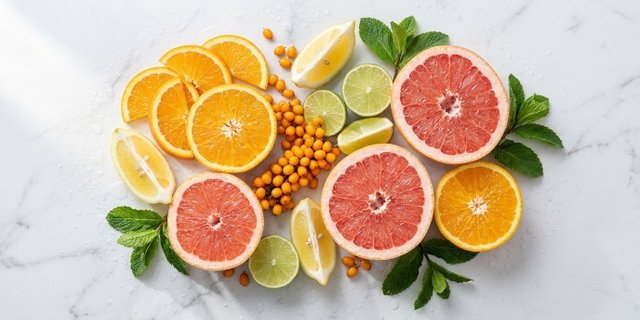
Refreshing Citrus Background
FREE RECOMMENDATIONS

Change Your Health in One Day!

Special Program for Pregnant Women
POPULAR PROGRAMS & CLINICAL PROTOCOLS

Special Program for Pregnant Women

Pregnancy, infancy and early childhood are periods of rapid physiological growth and development. Insufficient nutrition during these critical growth and developmental periods places health and vitality at risk.

As a result, our clinical protocols educate and support pregnant and postpartum women about the importance of balanced micronutrition, gentle exercise, and allergen safety to ensure vibrant health for both mother and child.

8
Programs
161
Happy Customers
7
Awards
117
Success Stories

Subcategories & Topics:

10 areas

Dedicated Articles and Guides

Scientific papers, diet templates, and recommendations in Goals & Transformation

30 publications
Building self-confidence as the foundation of healthy weight loss – the psychodietetics of lasting change

Building self-confidence as the foundation of healthy weight loss – the psychodietetics of lasting change

Although it may seem paradoxical at first glance, genuine and lasting physical transformation begins with a profound acceptance of one’s current reality—both physical and emotional. In clinical psychodietetics, this conscious acknowledgment of the present state creates the psychological safety required to build sustainable lifestyle habits.A foundational step involves cultivating a stable sense of self-worth rooted in bodily respect rather than harsh self-criticism or guilt. Only within this compassionate framework does weight management become an authentic expression of metabolic health care and personal well-being, protecting against extreme crash diets and weight cycling.


African Geranium (Pelargonium sidoides DC.) – Medicinal Properties, Pharmacological Mechanisms, and Pediatric Use

African Geranium (Pelargonium sidoides DC.) – Medicinal Properties, Pharmacological Mechanisms, and Pediatric Use

African geranium (Pelargonium sidoides DC.) is a medicinal perennial native to South Africa whose standardized root extract (traditionally known as Umckaloabo or EPs 7630) is backed by extensive randomized controlled clinical trials. Driven by a synergistic matrix of oxygenated coumarins (umckalin), phenolic acids, and oligomeric proanthocyanidins, it exerts a triple therapeutic action in acute respiratory tract infections: antiviral, antibacterial (anti-adhesive), and secretomotoric/immunomodulatory. Discover its clinical applications, dosage forms, and pediatric safety profile.

Pasta in Sports Nutrition – Role of Complex Carbohydrates, Glycemic Index, and Peri-Workout Meal Planning

Pasta in Sports Nutrition – Role of Complex Carbohydrates, Glycemic Index, and Peri-Workout Meal Planning

Physically active individuals and athletes across endurance, team, and strength disciplines require targeted carbohydrate intake to fuel working skeletal muscles and sustain central nervous system performance. Diverse pasta products—ranging from classic durum wheat semolina pasta and whole-grain varieties to buckwheat, rice, and high-protein legume pastas—serve as a cornerstone of evidence-based sports nutrition.Selecting the optimal flour type and cooking method (specifically cooking al dente) enables athletes to tailor glucose absorption kinetics to either pre-exercise energy loading or rapid post-workout muscle glycogen resynthesis.

Chili Peppers – Health Properties of Capsaicin, Scoville Scale, Popular Varieties, and Homemade Chili Sauce Recipe

Chili Peppers – Health Properties of Capsaicin, Scoville Scale, Popular Varieties, and Homemade Chili Sauce Recipe

Chili peppers encompass a diverse array of pungent fruiting cultivars within the genus Capsicum (members of the nightshade family, Solanaceae) that have defined the culinary heritage of Latin America, Asia, and the Mediterranean for millennia. Their signature fiery heat and therapeutic potency stem from capsaicin—a bioactive vanilloid alkaloid with clinically documented thermogenic, analgesic, anti-inflammatory, and cardioprotective effects. Explore the major chili varieties, their metabolic benefits, and a balanced recipe for homemade chili sauce.

Does conventional oat grain inherently contain gluten in its natural form?

Does conventional oat grain inherently contain gluten in its natural form?

Common oat, a member of the Poaceae family, represents one of the primary cultivated crops in temperate climate regions spanning both Eurasia and North America. Its domestication by human populations occurred during prehistoric times, approximately six thousand years ago. Within modern agriculture, a substantial portion of the harvested oat yield is allocated for animal feed and seed stock, while the remaining part is utilized in the food industry, processed into high-quality oat flour, widely consumed rolled oats, diverse types of groats, and fiber-rich bran. Nutritionally, oats are distinguished by their substantial content of complete protein, as well as an array of essential micronutrients, such as calcium—critical for skeletal health, magnesium—vital for muscle and nerve function regulation, potassium—key to electrolyte balance, iron—indispensable for oxygen transport in the blood, and a complex of B vitamins, which play a pivotal role in the body’s metabolic processes.

Visceral adiposity – underlying causes, therapeutic approaches, and an optimal dietary regimen

Visceral adiposity – underlying causes, therapeutic approaches, and an optimal dietary regimen

Central adiposity, alternatively referred to as visceral obesity or an "apple-shaped" body composition, represents a significant health hazard due to the excessive accumulation of adipose tissue within the abdominal cavity, encasing critical internal organs. While the concentration of fat around the midsection is frequently perceived as a cosmetic concern, this specific pattern of fat distribution is strongly associated with an elevated risk of metabolic disorders, cardiovascular diseases, and systemic health complications, ultimately resulting in a diminished quality of life and reduced longevity.

Obesity as a pervasive health challenge in modern society, increasingly affecting a broad spectrum of age groups

Obesity as a pervasive health challenge in modern society, increasingly affecting a broad spectrum of age groups

In numerous instances, the development of obesity stems from prolonged neglect of nutritional principles alongside entrenched unhealthy dietary and physical activity habits established from early life stages. The excessive accumulation of adipose tissue within the body is directly associated with an elevated risk of multiple severe chronic conditions, the complications of which may prove fatal. Methodical weight reduction coupled with sustainable lifestyle modifications does not constitute a fleeting fashion, but—if characterized as a trend at all—represents one with demonstrably positive health outcomes. Empirical evidence consistently demonstrates that individuals maintaining a healthy body weight exhibit significantly lower incidence rates of cardiometabolic diseases, musculoskeletal disorders, and certain cancers, all of which exhibit strong epidemiological links to overweight and obesity.

Wheat Bran and Milling Byproducts – Nutritional Profile, Dietary Fiber, and Clinical Applications

Wheat Bran and Milling Byproducts – Nutritional Profile, Dietary Fiber, and Clinical Applications

Residual materials generated during the mechanical separation of seed coats from wheat kernels comprise a composite mixture of glume fragments, pericarp membranes, and fine particulate matter originally enveloping the seeds. These fractions are obtained both in the preliminary abrasive processing of grains intended for wheat flour or groat production and in subsequent milling stages, where—due to their fiber content and potential contaminants—they are systematically removed as undesirable components that compromise the purity and refinement of the final milled product. Although the cereal processing industry categorizes them as low-value technological waste with limited commercial applicability, contemporary clinical nutrition science emphasizes their rich composition of dietary fiber, bioactive phenolic compounds, and trace minerals, positioning them as a valuable nutritional adjunct in the prevention and adjunctive management of diverse pathological conditions, including metabolic disorders and gastrointestinal diseases.

Cereal Bran (Milling Byproducts) – Manufacturing Process, Nutritional Composition, Health Properties, and Varieties

Cereal Bran (Milling Byproducts) – Manufacturing Process, Nutritional Composition, Health Properties, and Varieties

This frequently overlooked byproduct generated during the transformation of cereals into flour represents a valuable reservoir of essential nutrients required by the human body to sustain optimal physiological function. Beyond the fibrous fraction—a critical component that promotes healthy intestinal motility and supports gut microbiome equilibrium—these industrial residuals contain substantial quantities of micro- and macronutrients, a spectrum of B-complex vitamins, and antioxidant compounds. Systematic incorporation of these residues into dietary patterns may contribute to mitigating the risk of metabolic disorders, including hypercholesterolemia, hypertension, and insulin resistance, while also facilitating weight management through enhanced satiety perception coupled with relatively low caloric density.

Osteoporosis: Comprehensive Preventive Strategies, Natural Therapeutic Approaches, and Dietary Recommendations – Analyses and Diagnostic Insights into Bone Disease

Osteoporosis: Comprehensive Preventive Strategies, Natural Therapeutic Approaches, and Dietary Recommendations – Analyses and Diagnostic Insights into Bone Disease

This metabolic bone disorder raises numerous questions regarding its nature, prevention strategies, and therapeutic options. The present article serves as an exhaustive knowledge base on osteoporosis—covering definitions, developmental mechanisms, evidence-based preventive techniques, and natural dietary approaches to support skeletal health across all age groups.

Milk thistle (Silybum marianum) – therapeutic benefits for liver health, hair vitality, and weight management. Safety considerations during pregnancy

Milk thistle (Silybum marianum) – therapeutic benefits for liver health, hair vitality, and weight management. Safety considerations during pregnancy

Milk thistle, alternatively referred to as blessed thistle, St. Mary’s thistle, or Marian thistle, is a botanical remedy with well-documented hepatoprotective and metabolic regulatory properties. Its primary bioactive compound, silymarin—a complex of flavonolignans—not only enhances the secretion of digestive enzymes but also exhibits cytoprotective effects on hepatocytes, facilitating systemic detoxification and the neutralization of harmful metabolic byproducts.

Milk Thistle (Silybum marianum) – pharmacological profile, recommended dosage regimens, therapeutic applications, and usage restrictions

Milk Thistle (Silybum marianum) – pharmacological profile, recommended dosage regimens, therapeutic applications, and usage restrictions

Milk thistle (Silybum marianum) demonstrates remarkably beneficial health-promoting properties within the human body. Its consistent consumption facilitates effective systemic detoxification by eliminating harmful metabolic byproducts while concurrently aiding in lipid profile optimization. Furthermore, extracts derived from this plant play a pivotal role in supporting hepatic parenchyma regeneration during inflammatory conditions and toxic injury scenarios. The active constituents represent a rich reservoir of silymarin and other well-documented antioxidant agents that scavenge free radicals and protect cellular integrity.

Characteristics, chemical composition, and practical utilization of pecan nuts in diet and industry

Characteristics, chemical composition, and practical utilization of pecan nuts in diet and industry

Each nut variety is distinguished by a unique flavor profile and an abundance of essential nutrients critical for health maintenance. Pecan nuts, like other types, represent an exceptionally valuable source of polyunsaturated fatty acids, which play a pivotal role in sustaining cognitive function and decelerating degenerative age-related changes. Despite their high caloric density, their regular consumption in moderation offers metabolic benefits and can serve as a significant component of a balanced dietary regimen.

Hazelnuts (Corylus avellana): Nutritional Profile, Bioactive Compounds, and Clinical Relevance

Hazelnuts (Corylus avellana): Nutritional Profile, Bioactive Compounds, and Clinical Relevance

Hazelnuts are the nutrient-dense fruits of the hazel tree (Corylus avellana L.), belonging to the birch family (Betulaceae). Celebrated for their exceptional biochemical composition, they are a rich source of monounsaturated fatty acids (predominantly oleic acid), alpha-tocopherol (vitamin E), B-complex vitamins, and essential minerals including magnesium, copper, and manganese. With their remarkable nutrient density and potent antioxidant capacity, hazelnuts play a fundamental role in cardiovascular protection, lipid homeostasis, and neurocognitive preservation within evidence-based dietary patterns.

Ornithine – Biological Role and Practical Applications. Definition and Significance for the Human Body

Ornithine – Biological Role and Practical Applications. Definition and Significance for the Human Body

The human body operates akin to a meticulously engineered system, wherein even the most minute components play a pivotal role in sustaining the fluidity of all vital processes. Among these essential chemical compounds is ornithine—an amino acid without which the efficient elimination of urea via urine would be unfeasible. This article serves as a comprehensive compendium detailing precisely what this substance is, the functions it fulfills within our bodies, and why its presence is indispensable for maintaining metabolic homeostasis. We cordially invite you to explore the prepared information, which may prove invaluable for comprehending the intricate biochemical processes occurring within the human organism.

Omega-9 fatty acid (oleic acid) – biochemical profile, dietary sources, and functional roles in human physiology

Omega-9 fatty acid (oleic acid) – biochemical profile, dietary sources, and functional roles in human physiology

Monounsaturated fatty acids, with omega-9 (oleic acid) being a prominent representative, play a pivotal role in sustaining bodily homeostasis by modulating cellular membrane fluidity, metabolic pathways, and intercellular signaling mechanisms. Serving as both a structural constituent of cell membranes and a precursor to biologically active compounds, this fatty acid must be consistently supplied through a balanced diet to ensure the proper functioning of organ systems and to mitigate the risk of deficiencies that may contribute to metabolic dysregulation or degenerative conditions.

Black seed oil (Nigella sativa) – therapeutic properties, thymoquinone, dosage, and health benefits

Black seed oil (Nigella sativa) – therapeutic properties, thymoquinone, dosage, and health benefits

Black cumin seeds (Nigella sativa) represent one of the most thoroughly investigated botanical resources in modern phytotherapy. Cold-pressed black seed oil, enriched with a volatile fraction dominated by thymoquinone, essential unsaturated fatty acids, and natural antioxidants, exerts pronounced immunomodulatory, anti-inflammatory, and bronchodilatory actions that support metabolic and respiratory wellness.

Cold-pressed virgin rapeseed oil: biochemical characteristics and clinical nutrition

Cold-pressed virgin rapeseed oil: biochemical characteristics and clinical nutrition

Virgin, unrefined cold-pressed rapeseed oil (frequently hailed as the olive oil of the North) is one of the most therapeutically valuable plant lipids in human nutrition. It exhibits a vibrant golden hue, a delicate nutty aroma, and a pristine concentration of bioactive phytosterols and tocopherols that are typically stripped away during industrial refining.The defining hallmark of virgin rapeseed oil is its physiologically ideal 2:1 ratio of omega-6 to omega-3 fatty acids, positioning it as an exceptional functional food for cardioprotection and systemic inflammation management. This article examines its biochemical profile, clinical health benefits, and essential storage requirements.

Hempseed oil derived from *Cannabis sativa* – biochemical composition, health benefits, and practical guidelines for use

Hempseed oil derived from *Cannabis sativa* – biochemical composition, health benefits, and practical guidelines for use

The annual plant known scientifically as Cannabis sativa variety sativa demonstrates remarkable adaptability to diverse environmental conditions. Its seeds are distinguished by a rich nutritional profile: comprising 15 to 20 percent high-quality plant-based protein and 28 to 35 percent fat—primarily polyunsaturated fatty acids from the omega-3 and omega-6 families, which are deemed essential in human nutrition. Additionally, the seeds’ chemical composition includes a range of bioactive compounds, such as edestin—a highly digestible storage protein—choline, which supports metabolic functions, lecithin as a cellular membrane component, chlorophyll with detoxifying properties, vitamin K critical for blood coagulation, and tocopherols exhibiting antioxidant activity.These unique characteristics position hempseed oil as a valuable asset in both dietary applications and health-promoting strategies [1, 2].

Coconut oil and lipid profiles: An examination of its effects on cholesterol levels and cardiovascular health

Coconut oil and lipid profiles: An examination of its effects on cholesterol levels and cardiovascular health

Over the past several years, coconut oil has experienced a notable surge in popularity, becoming a focal point of discussion within nutritional science and healthy lifestyle communities. This natural fat, once sidelined due to its high saturated fat content, is now undergoing a revival—yet its physiological effects remain a subject of debate among researchers and healthcare professionals. Can it truly be considered a health-promoting dietary component, or does its consumption pose potential risks to cardiovascular function?

Cold-pressed flaxseed oil for weight management: Fasting consumption, metabolic mechanisms, and satiety signaling

Cold-pressed flaxseed oil for weight management: Fasting consumption, metabolic mechanisms, and satiety signaling

Cold-pressed flaxseed oil, derived from the seeds of flax (Linum usitatissimum), stands as the undisputed champion among botanical omega-3 sources. Over 50% of its fatty acid matrix comprises essential alpha-linolenic acid (ALA). The traditional practice of ingesting a spoonful of cold flaxseed oil on an empty stomach prior to breakfast is firmly substantiated by nutritional science: it stimulates gastrointestinal motility, promotes gallbladder emptying, triggers satiety hormones, and optimizes hepatic fat oxidation.

Virgin and copra-pressed coconut oil: Metabolic properties, culinary applications, and thermal smoke points

Virgin and copra-pressed coconut oil: Metabolic properties, culinary applications, and thermal smoke points

Coconut oil, derived from the fresh or dried endosperm (copra) of the coconut palm (Cocos nucifera), has garnered tremendous scientific and culinary attention. Consisting of over 90% saturated fatty acids, it is distinguished by a high fraction of Medium-Chain Triglycerides (MCTs), notably lauric acid. This biochemical configuration drives metabolic pathways markedly distinct from typical long-chain animal saturated fats.

Cucumbers (Cucumis sativus): Nutritional profile, bioactive compounds, practical culinary uses, and scientific facts

Cucumbers (Cucumis sativus): Nutritional profile, bioactive compounds, practical culinary uses, and scientific facts

The cultivated garden cucumber (Cucumis sativus) ranks among the most widely consumed horticultural crops globally, revered for its crisp, thirst-quenching bite and culinary versatility. Frequently dismissed as merely 'cellular water wrapped in a rind', the cucumber delivers substantial bioactive compounds: bioavailable silica, cucurbitacins, potassium, and neuroprotective flavonoids including fisetin and quercetin. It fosters cellular hydration, aids metabolic detoxification, and excels in topical dermatology.

Dehydration during physical exercise: Physiological consequences and evidence-based hydration strategies

Dehydration during physical exercise: Physiological consequences and evidence-based hydration strategies

Preserving fluid and electrolyte homeostasis represents a cardinal determinant of athletic performance, thermoregulation, and cardiovascular safety. During strenuous physical exercise, skeletal muscle contraction generates substantial thermal energy, dissipated primarily through the evaporation of sweat. A fluid deficit of as little as 2% of total body mass compromises aerobic capacity, elevates core body temperature, and impairs neuromuscular coordination.

Adequate nutrition and targeted physical exercise: The premier clinical strategy to prevent osteoporosis

Adequate nutrition and targeted physical exercise: The premier clinical strategy to prevent osteoporosis

Osteoporosis, clinically dubbed the 'silent bone thief', is a systemic skeletal metabolic disorder characterized by low bone mineral density (BMD) and microarchitectural deterioration of osseous tissue. It progresses asymptomatically for decades until presenting catastrophically as a low-trauma fragility fracture (typically of the femoral neck, vertebral bodies, or distal radius). Proactive lifestyle interventions combining osteogenic nutrition with mechanical loading represent the most robust preventive shield.

Optimal breakfast recommendations for morning enthusiasts and nocturnal individuals

Optimal breakfast recommendations for morning enthusiasts and nocturnal individuals

For some individuals, the morning meal constitutes a cornerstone of daily nutrition, providing essential energy and nutrients to initiate the day’s activities. Others, however, regard it as an unnecessary routine, opting for extra minutes of sleep rather than engaging in culinary preparations at dawn. What benefits arise from consistently consuming breakfast, what metabolic functions does it serve, and why is it worthwhile to dedicate a portion of the morning—even within a hectic schedule—to assembling and enjoying a balanced meal?

Nutritional optimization for cognitive performance: How dietary habits shape memory and focus

Nutritional optimization for cognitive performance: How dietary habits shape memory and focus

Before delving into specifics, it is worthwhile to pose a foundational question regarding the purpose of food consumption. While the primary motivation for most individuals remains satisfying physiological hunger or experiencing sensory pleasure, we seldom recognize that a thoughtfully composed diet plays a pivotal role in nervous system function. The nutrients supplied through food directly influence the efficiency of neuronal synapses, which in turn governs the speed of information processing and the capacity for sustained attention.Neuroscientific research confirms that deficiencies in certain micro- and macronutrients can lead to cognitive decline, whereas a balanced diet supports neuroplasticity and protects against neuronal degeneration.

Optimizing systemic acid-base equilibrium: A comparative evaluation of alkalizing dietary patterns versus tablet supplementation

Optimizing systemic acid-base equilibrium: A comparative evaluation of alkalizing dietary patterns versus tablet supplementation

The biological concept of systemic acid-base homeostasis has drawn substantial clinical interest in integrative nutrition. Arterial blood pH is tightly regulated within a narrow physiological window of 7.35 to 7.45 by the kidneys, lungs, and chemical buffer systems (bicarbonate, hemoglobin, and phosphate). While nutrition cannot alter systemic blood pH in healthy individuals, chronic overconsumption of acid-precursor foods imposes a measurable load on renal buffering and alters urinary pH.

Share