


Goals & Transformation • CLINICAL PROTOCOL

Weight Loss

Personalized, evidence-based nutrition guidelines (EBM) dedicated to Weight Loss. Balanced macronutrients, micronutrition, and elimination of pro-inflammatory factors.

Weight Loss
HOW TO START

It's Easy to Start Today!

Eat Healthy

Precisely selected nutrients supporting metabolic balance and tissue regeneration.

Workout Hard

Physical activity safely tailored to your clinical conditions and baseline endurance.

Enjoy Your Life

Psychoemotional balance, restful sleep, and stress reduction as indispensable pillars of recovery.

SERVICES & PROTOCOLS
Personal Health Program

Personal Health Program

Dedicated medical nutrition therapy and dietary protocols for Weight Loss.

Personal Fitness Trainer

Personal Fitness Trainer

Tailored workout plan and physical exercise supporting therapy.

Wellness Counseling

Wellness Counseling

Specialist support and continuous monitoring of health progress.

Diet Programs

Diet Programs

Precise calculation of BMR, TDEE, and micronutrient balance.

Refreshing Citrus Background
FREE RECOMMENDATIONS

Change Your Health in One Day!

Special Program for Sensitive Nutrition
POPULAR PROGRAMS & CLINICAL PROTOCOLS

Special Program for Sensitive Nutrition

Individually formulated nutrition protocols for individuals managing specific metabolic and allergic requirements in Weight Loss.

Allergen exclusion, gut microbiota support, and optimization of carbohydrate-lipid metabolism.

8
Programs
161
Happy Customers
7
Awards
117
Success Stories

Other Groups in Category: Goals & Transformation

Articles and Guides in — Weight Loss

Publications, recommendations, and clinical analysis in Weight Loss

30 publications
Psychodietetics: The Crucial Role of Mindset in Long-Term Lifestyle and Body Transformation

Psychodietetics: The Crucial Role of Mindset in Long-Term Lifestyle and Body Transformation

Authentic and lasting bodily transformation originates within our cognitive mindset rather than solely on the dinner plate. Psychodietetics demonstrates that sustainable lifestyle behaviors are the direct consequence of emotional regulation, cognitive reframing, and somatic self-respect. Transcending rigid dietary paradigms to address underlying psychological drivers permanently dismantles food obsession and fosters resilient, enduring wellness.

The Psychological Foundations of Successful Weight Loss: Motivation, Habits, and Identity Transformation

The Psychological Foundations of Successful Weight Loss: Motivation, Habits, and Identity Transformation

Sustained, successful weight management is an endeavor that transpires within human psychology rather than inside a rigid calorie-counting application. Clinical trials consistently confirm that over 80% of individuals regain lost weight within two years following traditional restrictive diets (the yo-yo syndrome). This pervasive rebound does not stem from ignorance of nutritional mechanics, but rather from disregarding the psychological underpinnings of behavioral change: motivational orientation, unconscious habit architecture, identity beliefs, and emotional resilience. Achieving lasting vitality requires a holistic paradigm shift that permanently realigns self-concept, daily routines, and food relationships.

Powdered protein supplements as an adjunct to weight reduction – benefits, risks, and potential consequences of consumption

Powdered protein supplements as an adjunct to weight reduction – benefits, risks, and potential consequences of consumption

Powdered protein supplements have emerged as one of the most widely utilized dietary aids, embraced not only by competitive strength athletes but increasingly by individuals pursuing adipose tissue reduction and favorable body recomposition. While these formulations provide a remarkably convenient and bioavailable vehicle for fulfilling essential amino acid requirements, their precise physiological contribution to weight loss is frequently misunderstood or overstated. A multitude of misconceptions surrounds protein supplementation—ranging from exaggerated assertions of inherent fat-burning properties to unfounded anxieties regarding renal and hepatic compromise in healthy populations. This comprehensive analysis evaluates the biochemical characteristics and clinical utility of protein powders, elucidating their genuine metabolic advantages, possible adverse manifestations, and evidence-based protocols for integration into a caloric deficit regimen.

Practical Strategies to Reduce Food Intake Without Hunger: How to Downsize Portions and Achieve a Healthy Weight

Practical Strategies to Reduce Food Intake Without Hunger: How to Downsize Portions and Achieve a Healthy Weight

The moment we observe that the scale displays a number exceeding our expectations, our instinctive response is to reduce the volume of food we consume. Yet the critical question remains: is there a feasible way to eat smaller quantities without experiencing persistent hunger? How can these adjustments be implemented in a balanced manner so that the body does not perceive an energy deficit, and the weight loss process unfolds smoothly, without placing undue stress on metabolism?

Psychological challenges associated with weight loss: A comprehensive guide to preparing for effective body mass reduction

Psychological challenges associated with weight loss: A comprehensive guide to preparing for effective body mass reduction

What accounts for the disparity wherein certain individuals achieve remarkable progress in a short span, while others grapple with even the most modest weight loss? The explanation lies in adopting a holistic health perspective—human physiology operates as an integrated system where dysfunction in one domain can destabilize the entire organism. Effective weight reduction demands more than dietary adjustments; it necessitates a profound transformation of habits, mindsets, and meticulous attention to psychological equilibrium. Overlooking the mental health dimension may result in frustration, burnout, or even abandonment of goals, despite initial advancements in nutrition or physical activity.

Harmful weight loss approaches: How to avoid mistakes in the body mass reduction process to prevent damaging your own health

Harmful weight loss approaches: How to avoid mistakes in the body mass reduction process to prevent damaging your own health

Intentional, systematic body fat reduction yields profound cardiometabolic and physiological dividends when executed sensibly. Unfortunately, the pursuit of rapid aesthetic transformations tempts many individuals into adopting perilous weight-loss strategies—including prolonged starvation, monodiets, and illicit pharmacological agents. Such extreme practices jeopardize vital organ function, trigger severe neuroendocrine collapse, and inevitably culminate in rebound weight regain. This clinical analysis exposes the most hazardous dieting errors and establishes evidence-based protocols for sustainable fat loss.

How Probiotics May Support Weight Loss: A Guide to Selecting the Most Effective Bacterial Strains

How Probiotics May Support Weight Loss: A Guide to Selecting the Most Effective Bacterial Strains

The health of our digestive system is intricately linked to the balance of microorganisms residing in our intestines. Research indicates that dysbiosis—a disruption in gut microbiota composition—can lead to more than just digestive issues; it may also impair metabolism and contribute to weight gain tendencies. This guide explores how you can strategically enhance the bacterial composition of your gastrointestinal tract to support a healthier body weight and overall metabolic function.

Pregnancy-Related Weight Loss: Causes, Symptoms, and Long-Term Consequences of Gestational Anorexia on Fetal and Neonatal Health

Pregnancy-Related Weight Loss: Causes, Symptoms, and Long-Term Consequences of Gestational Anorexia on Fetal and Neonatal Health

Modern society perpetuates an often unrealistic beauty standard, which can drive hazardous behaviors, particularly among expectant mothers. The desire to maintain what is perceived as a ‚perfect‘ physique—even during pregnancy—is frequently driven by societal pressures or personal anxieties about losing attractiveness. Unfortunately, some pregnant women prioritize weight control over nutritional adequacy, posing severe risks to both maternal health and fetal development. This behavior may lead to gestational anorexia, a condition whose consequences extend beyond pregnancy, potentially impacting the child’s long-term health and well-being.

Debunking the Myth: Why 'Miracle' Diets Are Just a Temporary Illusion of Success – Not a Sustainable Weight-Loss Strategy

Debunking the Myth: Why 'Miracle' Diets Are Just a Temporary Illusion of Success – Not a Sustainable Weight-Loss Strategy

The promise of diets that deliver dramatic results within weeks—such as losing multiple kilograms—continues to captivate many people, despite persistent scientific skepticism. While proponents insist that strict adherence to these diets guarantees an ideal physique, a critical question remains unanswered: How many individuals can sustain these results long-term without experiencing the dreaded yo-yo effect? The extreme restrictions often lacking nutritional balance can be harmful in the long run, leading not only to nutrient deficiencies but also to psychological stress and a disturbed relationship with food.

Inappropriate and complication-prone weight loss methods: Mechanisms, risks, and systemic health consequences

Inappropriate and complication-prone weight loss methods: Mechanisms, risks, and systemic health consequences

The phenomenon of cyclical and extreme dietary restriction affects both physically active individuals and those seeking weight loss without structured exercise. Common practices include drastic caloric restriction, highly restrictive elimination diets, or prolonged fasting, all of which often lead to inadequate nutrient intake. While short-term weight loss may occur, these methods pose significant long-term health risks. Frequently, the observed weight loss does not reflect fat reduction but rather water loss, muscle atrophy, or metabolic disturbances. This predisposes individuals to the yo-yo effect and disrupts systemic homeostasis.

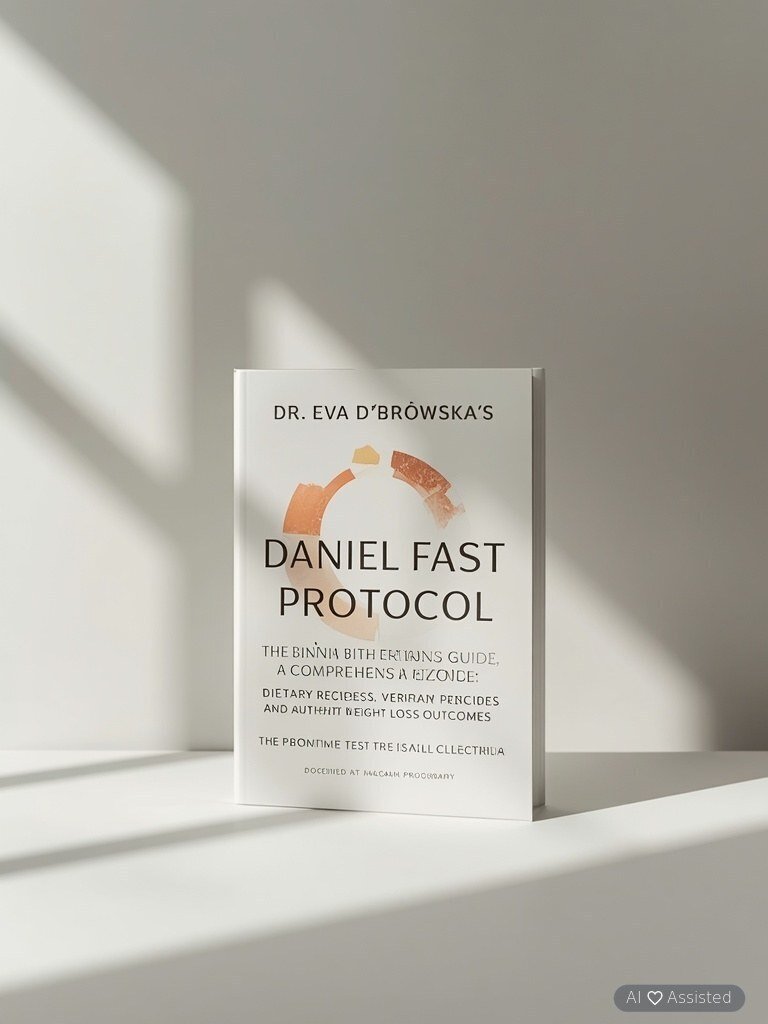
Dr. Eva Dąbrowska’s Daniel Fast Protocol – Evidence-Based Nutrition, Authentic Recipes, and Sustainable Weight Management

Dr. Eva Dąbrowska’s Daniel Fast Protocol – Evidence-Based Nutrition, Authentic Recipes, and Sustainable Weight Management

Dr. Eva Dąbrowska’s Daniel Fast Protocol is a structured nutritional approach rooted in detoxification, fat reduction, and metabolic optimization, drawing inspiration from biblical fasting traditions. This method integrates scientific evidence with ancient healing practices to systematically break down adipose tissue while enhancing the body’s natural detoxification pathways. But how does it work? What are the underlying physiological and biochemical mechanisms, and which specific dietary principles and recipes make this protocol unique? This comprehensive guide explores the evidence-based foundations, practical implementation, and potential health benefits—always with consideration for individual needs and medical guidance.

Navigating weight loss challenges: Evidence-based strategies for managing cravings, setbacks, and plateaus

Navigating weight loss challenges: Evidence-based strategies for managing cravings, setbacks, and plateaus

Sustainable weight reduction transcends simplistic caloric mathematics; it is inherently a complex psychological and behavioral challenge. Many individuals surrender during initial weeks due to acute food cravings, social pressures, or demoralizing weight plateaus. This guide investigates the physiological drivers of hunger signaling, metabolic adaptations, and evidence-based psychological frameworks to overcome dietary setbacks permanently.

Swimming for Health and Fitness: Physiological Benefits, Weight Loss Strategies, Gear, and Safety Guidelines

Swimming for Health and Fitness: Physiological Benefits, Weight Loss Strategies, Gear, and Safety Guidelines

Swimming represents one of the most comprehensive aerobic and muscular conditioning disciplines, recruiting over 80% of skeletal musculature while completely offloading compressive stress from joints and the spine. This clinical fitness guide examines water physiology, cardiovascular adaptations, targeted body composition protocols, stroke biomechanics, and essential aquatic gear.

Cayenne Pepper – Medicinal Properties, Recommended Dosages, and Its Role in Weight Loss: A Comprehensive Guide

Cayenne Pepper – Medicinal Properties, Recommended Dosages, and Its Role in Weight Loss: A Comprehensive Guide

Cayenne pepper, despite its colloquial name, is a pungent pulverized chili pepper derived from Capsicum annuum and Capsicum frutescens. Its primary bioactive alkaloid—capsaicin—exerts clinically verified cardioprotective, analgesic, and thermogenic properties. This comprehensive guide outlines the physiological mechanisms of cayenne, evidence-based dosing protocols, and critical pharmacological contraindications.

Crispbread – types (baked wholegrain vs. extruded), ingredients, calories, and role in weight loss

Crispbread – types (baked wholegrain vs. extruded), ingredients, calories, and role in weight loss

Crispbread is widely perceived by consumers as a low-calorie staple for weight loss diets and a light substitute for traditional loaf bread. Because an individual slice weighs very little, it creates the impression of a diet-friendly food that can be eaten almost without restriction.From the standpoint of food technology and clinical dietetics, however, the category of crispbread encompasses two fundamentally different products: traditional oven-baked whole-grain rye crispbread (Scandinavian-style knäckebröd) and ultra-processed extruded light crispbread. How do they compare in terms of caloric density per 100 g, glycemic index, and satiety value?

Pumpkin seeds – health properties, vitamins, nutritional value, and role in weight loss

Pumpkin seeds – health properties, vitamins, nutritional value, and role in weight loss

Pumpkin seeds (the edible kernels of Cucurbita pepo), commonly incorporated into salads, porridge bowls, artisan breads, or enjoyed raw and lightly toasted as a snack, represent one of the most nutrient-dense plant foods in clinical dietetics.Their remarkable biochemical profile combines high-quality plant protein (rich in L-tryptophan and L-arginine), essential unsaturated fatty acids (omega-6 and omega-9), tocopherols (vitamin E), phytosterols, and critical trace minerals including magnesium, zinc, iron, potassium, and selenium. What evidence-based health benefits do pumpkin seeds offer, and how can they support healthy weight loss?

Building self-confidence as the foundation of healthy weight loss – the psychodietetics of lasting change

Building self-confidence as the foundation of healthy weight loss – the psychodietetics of lasting change

Although it may seem paradoxical at first glance, genuine and lasting physical transformation begins with a profound acceptance of one’s current reality—both physical and emotional. In clinical psychodietetics, this conscious acknowledgment of the present state creates the psychological safety required to build sustainable lifestyle habits.A foundational step involves cultivating a stable sense of self-worth rooted in bodily respect rather than harsh self-criticism or guilt. Only within this compassionate framework does weight management become an authentic expression of metabolic health care and personal well-being, protecting against extreme crash diets and weight cycling.

Rapid weight loss before pivotal occasions: Physiological mechanisms, safe nutritional menus, and yo-yo effect prevention

Rapid weight loss before pivotal occasions: Physiological mechanisms, safe nutritional menus, and yo-yo effect prevention

Approaching major social milestones, weddings, or summer vacations, many individuals seek rapid, visible improvements in body contours. While crash starvation diets trigger muscle catabolism and metabolic slowing, a thoughtfully structured short-term protocol—focused on water retention reduction, gastrointestinal debloating, and moderate caloric deficits—safely diminishes waist circumference without compromising physiological vitality.

How to effectively reduce body fat without sacrificing lean muscle mass in active individuals

How to effectively reduce body fat without sacrificing lean muscle mass in active individuals

Optimizing body composition requires maximizing adipose tissue loss while preserving lean body mass (LBM). Excessive caloric deficits, inadequate dietary protein, and improper exercise regimens accelerate skeletal muscle catabolism, depressing resting metabolic rate (RMR) and predisposing individuals to weight regain. A scientifically structured nutritional and resistance protocol effectively shields muscle architecture during cutting phases.

Does turmeric support weight loss? An analysis of capsule supplementation efficacy and metabolic benefits

Does turmeric support weight loss? An analysis of capsule supplementation efficacy and metabolic benefits

Turmeric (Curcuma longa)—the golden-yellow rhizome prized for its distinctive earthy aroma—has formed a cornerstone of traditional Ayurvedic medicine for millennia. Its primary bioactive constituent is curcumin, a polyphenol with substantiated anti-inflammatory, antioxidant, and metabolic-modulating properties. Modern nutritional science increasingly evaluates curcumin's therapeutic role in facilitating visceral adipose tissue reduction and improving peripheral insulin sensitivity.

Overnight weight loss: scientific mechanisms of nocturnal fat metabolism

Overnight weight loss: scientific mechanisms of nocturnal fat metabolism

During nocturnal sleep, the human body never enters absolute metabolic inactivity. Although overall basal metabolic rate declines by approximately 10–15% compared to wakefulness, critical cellular repair pathways, protein synthesis, and fatty acid oxidation peak during the night.Experiencing a measurable reduction in body weight upon waking is a physiological phenomenon driven partly by insensible perspiration and respiration, but predominantly by uninterrupted basal energy expenditure. Harnessing the neuroendocrine mechanisms of sleep metabolism enables targeted dietary adjustments that accelerate fat loss.

Weight management with white mulberry: clinical evidence on Morus alba

Weight management with white mulberry: clinical evidence on Morus alba

White mulberry (Morus alba), a botanical with deep roots in traditional Eastern herbal medicine, has gained significant recognition in modern clinical dietetics. Its leaves harbor unique phytochemical compounds proven to modulate postprandial blood glucose excursions and improve lipid metabolism.In an era characterized by widespread insulin resistance and metabolic dysfunction, preparations derived from white mulberry serve as evidence-backed natural adjuncts for appetite control and glycemic stabilization. This comprehensive guide reviews the biochemical mechanisms of Morus alba, its optimal dosage protocols, and key safety considerations.

Does sparkling or still water truly support weight loss?

Does sparkling or still water truly support weight loss?

Upon initial inspection, they appear virtually indistinguishable—both are clear, colorless, devoid of distinct taste or aroma, and neither contains calories, while simultaneously harboring varying concentrations of dissolved mineral compounds. Where, then, does the notion arise that carbonated water might possess distinct properties compared to its still counterpart—beyond the obvious presence of effervescence—and how might these nuanced differences translate into tangible effects on the efficacy of weight management strategies?

Achieving body weight loss through the complete exclusion of meat products from daily nutritional intake

Achieving body weight loss through the complete exclusion of meat products from daily nutritional intake

Does the elimination of meat-based products from one’s dietary regimen represent an effective approach to achieving reductions in body weight? Indeed, such a nutritional framework relies primarily on vegetables and fruits, whose energy density tends to be lower compared to meat-containing dishes. While this premise may appear valid upon initial examination, the reality proves to be far more nuanced and necessitates a comprehensive understanding of physiological processes as well as nutritional composition factors.Plant-based eating does not automatically guarantee a caloric deficit. Highly processed meat alternatives, sugary snacks, and calorie-dense vegetable oils or nuts can easily disrupt energy balance. Nevertheless, a well-structured meat-free diet offers numerous metabolic and health benefits, provided it is managed carefully with a solid understanding of micronutrient and macronutrient requirements.

Identification, therapeutic approaches, and comprehensive management of eating disorders

Identification, therapeutic approaches, and comprehensive management of eating disorders

Balanced nutrition represents one of the foundational components for sustaining good health and overall physical well-being. A personalized dietary strategy allows for the maintenance of an optimal body weight without necessitating the complete elimination of occasional high-calorie indulgences. In certain instances, however, the process of food consumption becomes disrupted, potentially resulting in severe weight loss, recurrent episodes of overeating, or an unhealthy preoccupation with weight management.Within medical classification, such phenomena are designated as eating disorders. This diagnostic category encompasses three primary nosological entities: anorexia nervosa (a psychogenic aversion to food intake), bulimia nervosa (a psychogenic cycle of binge eating and purging), and binge eating disorder (BED), characterized by recurrent episodes of consuming abnormally large quantities of food while experiencing a perceived loss of control. Comprehensive management requires an integrated approach involving medical, psychological, and nutritional specialists to ensure long-term recovery and restoration of metabolic health.

Does apple cider vinegar genuinely aid in weight reduction? A critical examination of scientific evidence and practical applications

Does apple cider vinegar genuinely aid in weight reduction? A critical examination of scientific evidence and practical applications

For centuries, apple cider vinegar has been employed in natural healing practices—ranging from alleviating throat discomfort to its antiseptic properties and support in managing diverse metabolic conditions. In recent years, this traditional product has surged in popularity among individuals seeking to shed excess weight.However, does the growing enthusiasm for this remedy rest on robust scientific foundations, or is it merely a fleeting dietary fad lacking substantive evidence? In this article, we examine the biochemical mechanisms, pharmacological properties, and actual scientific backing of apple cider vinegar within the context of weight reduction and metabolic health.

Total Daily Energy Expenditure (TDEE): Formulas, BMR/NEAT Components, and Deficit Planning

Total Daily Energy Expenditure (TDEE): Formulas, BMR/NEAT Components, and Deficit Planning

Total Daily Energy Expenditure (TDEE) serves as the indispensable physiological baseline for fat loss, weight maintenance, and lean hypertrophy protocols. Common clinical pitfalls stem from conflating Basal Metabolic Rate (BMR) with gross energy expenditure, or dramatically overestimating caloric burn from structured exercise. This comprehensive guide outlines the four components of TDEE, validated mathematical algorithms (Mifflin-St Jeor and Katch-McArdle), and sustainable caloric deficit thresholds that preserve fat-free mass and thyroid integrity.

Frozen indulgences within a weight-conscious lifestyle: Savoring cool delights without compromising dietary progress

Frozen indulgences within a weight-conscious lifestyle: Savoring cool delights without compromising dietary progress

What could be more refreshing on scorching summer afternoons than a velvety, ice-cold confection? Yet how does one reconcile this pleasure with a disciplined eating regimen designed for weight reduction? Discover how to incorporate beloved frozen desserts into a balanced dietary framework without sacrificing hard-earned progress or risking the dreaded rebound effect. Learn that even amid rigorous weight-loss efforts, there exist savvy approaches to enjoying favorite flavors guilt-free—eliminating concerns about unwanted pounds while still savoring the simple joys of a chilled treat.

Does raw coffee in bean form genuinely represent the single most efficacious approach to facilitating weight loss?

Does raw coffee in bean form genuinely represent the single most efficacious approach to facilitating weight loss?

Green coffee, obtained from beans that have not undergone the roasting process, exhibits a more subdued taste profile and a less pronounced aroma than conventional roasted coffee, yet it possesses a markedly enhanced health-promoting capacity, thereby garnering significant attention from both nutritionists and researchers in natural medicine.

The Power of Gradual Progress: A Scientifically Backed Strategy for Sustainable Weight Management

The Power of Gradual Progress: A Scientifically Backed Strategy for Sustainable Weight Management

While rapid weight loss is commonly perceived as the most effective approach, metabolic and physiological research on adipose tissue demonstrates that abrupt changes seldom yield lasting benefits. Why, then, should the process of reducing excess body fat be approached as a long-term endeavor—one where patience and consistency form the bedrock of success—while hasty results often culminate in weight cycling and metabolic dysfunction?

Share