






WELCOME & NUTRITION SUPPORT

Health Conditions

It's a familiar story: You pledge to honor a daily elliptical routine and count every last calorie. But soon, you're eating cupcakes at the office and grabbing happy hour drinks, thinking, 'Oops, diet over.'

I've helped people exactly like you – smart, ambitious, put together – figure out the one thing that eludes them: Their ideal weight and long-term metabolic health. If you're like lots of people I help, you don't like restrictive rules, feel tired often, have tried working out and cutting calories, but need a truly sustainable clinical approach.

Fresh organic green produce in heart shape
HOW TO START

It's Easy to Start Today!

Eat Healthy

Eating habits should be regulated and controlled – only natural organic food will make our body healthy and strong.

Workout Hard

Diet is not the only ingredient of a long happy life. Physical exercise is also important for your health and vitality.

Enjoy Your Life

See how your life becomes a pleasant adventure, full of bright colors and fun activities with sustainable energy.

SERVICES
Personal Health Program

Personal Health Program

It does not matter if you want to lose weight, build lean muscle, or simply improve overall longevity and vitality.

Personal Fitness Trainer

Personal Fitness Trainer

A professional personal training and activity program created specifically with you and your individual goals.

Wellness Counseling

Wellness Counseling

We will be focused and working with you privately every step of the way to achieve permanent habit changes.

Diet Programs

Diet Programs

Healthy eating is one of the best things you can do to prevent and manage chronic health and metabolic problems.

Refreshing Citrus Background
FREE RECOMMENDATIONS

Change Your Health in One Day!

Special Program for Pregnant Women
POPULAR PROGRAMS & CLINICAL PROTOCOLS

Special Program for Pregnant Women

Pregnancy, infancy and early childhood are periods of rapid physiological growth and development. Insufficient nutrition during these critical growth and developmental periods places health and vitality at risk.

As a result, our clinical protocols educate and support pregnant and postpartum women about the importance of balanced micronutrition, gentle exercise, and allergen safety to ensure vibrant health for both mother and child.

8
Programs
161
Happy Customers
7
Awards
117
Success Stories

Subcategories & Topics:

12 areas

Dedicated Articles and Guides

Scientific papers, diet templates, and recommendations in Health Conditions

30 publications
Clinical Psychology: Comprehensive Guide to Evidence-Based Research, Diagnostics, and Professional Practice

Clinical Psychology: Comprehensive Guide to Evidence-Based Research, Diagnostics, and Professional Practice

Clinical psychology stands as one of the most prominent, rigorous, and rapidly advancing branches of applied psychology, dedicated to the scientific assessment, diagnosis, prevention, and evidence-based treatment of psychiatric, emotional, and behavioral disorders. Integrating empirical psychological science with clinical healthcare practice, it investigates the root mechanisms of psychological suffering to cultivate sustainable human flourishing and psychological resilience. Spanning neuropsychological assessment, psychotherapeutic interventions for mood and anxiety disorders, and psychosomatic health psychology, it represents an essential cornerstone of contemporary mental healthcare.


Psychodietetics: A Holistic Approach to Sustainable Habit Change and Harmonious Eating Relationships

Psychodietetics: A Holistic Approach to Sustainable Habit Change and Harmonious Eating Relationships

Psychodietetics is an interdisciplinary field integrating clinical nutrition, health psychology, psychotherapy, and behavioral neuroscience. It developed as an evidence-based response to the chronic failure of conventional diet culture, which relies on rigid meal plans, obsessive caloric accounting, and punitive rules. Psychodietetics acknowledges that humans are emotional beings; what we consume is inseparable from our cognitive schemas, emotional regulation capacities, interpersonal dynamics, and self-worth. Rather than merely prescribing what to eat, psychodietetic interventions investigate why, when, and how we eat, restoring a flexible, balanced, and sustainable relationship with food.

Male Infertility: Etiological Factors, Diagnostic Modalities, Lifestyle Medicine, and Targeted Clinical Nutrition

Male Infertility: Etiological Factors, Diagnostic Modalities, Lifestyle Medicine, and Targeted Clinical Nutrition

Couple infertility is clinically defined by the failure to achieve clinical pregnancy after 12 months of regular, unprotected sexual intercourse. Modern reproductive medicine demonstrates that male factor infertility contributes solely or in combination to approximately 50% of all infertility cases. Epidemiological data highlight a concerning, secular decline in global semen parameters over recent decades. While congenital anatomical defects and chromosomal abnormalities represent established etiologies, environmental pollutants, endocrine-disrupting chemicals (EDCs), systemic oxidative stress, obesity, and micronutrient-depleted diets play substantial roles in impaired spermatogenesis.

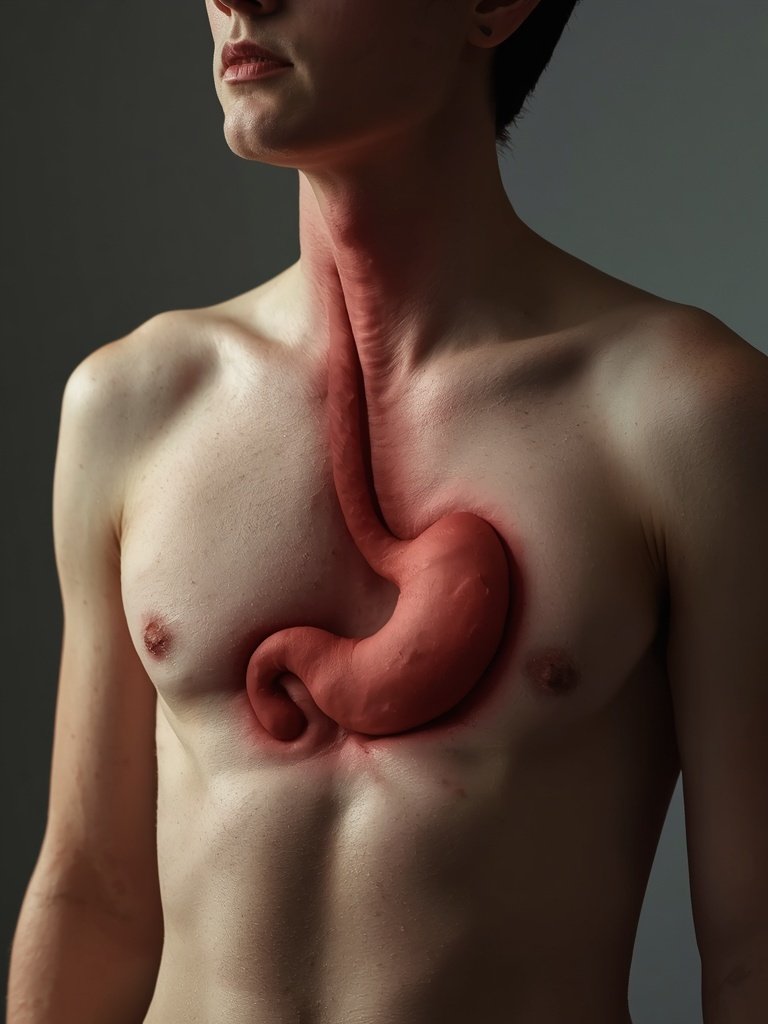
Hiatal Hernia: Symptoms, Diagnostic Methods, and Clinical Dietary Strategies

Hiatal Hernia: Symptoms, Diagnostic Methods, and Clinical Dietary Strategies

A hiatal hernia, colloquially referred to as gastric displacement into the chest cavity, occurs when the proximal portion of the stomach protrudes through the diaphragmatic esophageal hiatus into the mediastinum. The diaphragm serves as the primary respiratory barrier separating the abdominal and thoracic compartments, featuring a small hiatus through which the esophagus normally reaches the gastric cardia. When this muscular opening widens and supporting phrenoesophageal ligaments weaken, the lower esophageal sphincter is compromised, leading to severe gastroesophageal reflux and requiring structured nutritional and medical management.

Arterial Hypotension – Clinical Manifestations, Etiological Determinants, and Nutritional Strategies in Prevention and Management

Arterial Hypotension – Clinical Manifestations, Etiological Determinants, and Nutritional Strategies in Prevention and Management

Circulatory disorders represent a widespread health challenge in modern society, predominantly manifested through conditions such as hypertension, ischemic heart disease, cardiac arrhythmias, and chronic venous insufficiency. However, clinical practice frequently encounters the inverse disturbance: chronically reduced arterial blood pressure, known as hypotension. An evidence-based nutritional protocol, targeted fluid balance, and lifestyle adaptations serve as foundational interventions to mitigate hypotensive symptoms. Understanding the neurovascular regulatory mechanisms facilitates effective prevention of orthostatic episodes and restores optimal functional capacity in affected individuals.

The Therapeutic Role of Probiotics in Digestive Health: Evidence-Based Support for Constipation Relief, Diarrhea Management, Immune Enhancement, and Weight Regulation

The Therapeutic Role of Probiotics in Digestive Health: Evidence-Based Support for Constipation Relief, Diarrhea Management, Immune Enhancement, and Weight Regulation

Against the backdrop of rising antibiotic resistance and the growing prevalence of viral and bacterial infections, probiotics have emerged as a cornerstone of both preventive and therapeutic strategies in modern medicine. Clinically validated strains such as Lactobacillus rhamnosus GG, Bifidobacterium longum, and Streptococcus thermophilus demonstrate significant efficacy in maintaining gut microbiota balance and enhancing overall digestive health. To harness their full therapeutic potential, however, a nuanced understanding of their mechanisms of action, selection criteria for appropriate formulations, and optimal dosing regimens is indispensable. This evidence-based overview explores the latest scientific insights into probiotics’ role in digestive health, highlighting their targeted applications for constipation relief, diarrhea management, immune enhancement, and metabolic regulation.

The Role of Probiotic Supplements in Weight Management, Digestive Disorders, and Immune System Enhancement: Benefits and Potential Adverse Effects of Bacterial Cultures

The Role of Probiotic Supplements in Weight Management, Digestive Disorders, and Immune System Enhancement: Benefits and Potential Adverse Effects of Bacterial Cultures

For millennia, cultures worldwide have harnessed the health benefits of fermented foods containing live lactic acid bacteria. It was not until the pioneering research of Russian Nobel laureate Élie Metchnikoff in the early 20th century that the scientific community established a formal link between the consumption of fermented dairy products—particularly those containing the Lactobacillus acidophilus strain—and the remarkable longevity and robust health observed among rural Bulgarian populations. Contemporary research confirms that gut dysbiosis, an imbalance in microbial composition, can contribute to gastrointestinal disturbances such as chronic constipation or recurrent diarrhea, but also exerts broader systemic effects, including compromised immune function and metabolic dysregulation. This principle was presciently articulated in ancient Ayurvedic texts, emphasizing the pivotal role of a balanced intestinal microbiota in sustaining physiological equilibrium, supporting systemic immunity, mucosal digestion, and optimal energy balance.

How Probiotics May Support Weight Loss: A Guide to Selecting the Most Effective Bacterial Strains

How Probiotics May Support Weight Loss: A Guide to Selecting the Most Effective Bacterial Strains

The health of our digestive system is intricately linked to the balance of microorganisms residing in our intestines. Research indicates that dysbiosis—a disruption in gut microbiota composition—can lead to more than just digestive issues; it may also impair metabolism and contribute to weight gain tendencies. This guide explores how you can strategically enhance the bacterial composition of your gastrointestinal tract to support a healthier body weight and overall metabolic function.

Probiotics for Infants and Children: Evidence-Based Strain Selection and Clinical Applications

Probiotics for Infants and Children: Evidence-Based Strain Selection and Clinical Applications

The gut microbiome of infants and children undergoes critical maturation during the first years of life, directly influencing systemic immunity, metabolic health, and even neurocognitive development. During this sensitive window—particularly within the first 1000 days—strategic probiotic interventions can modulate immune tolerance, reduce allergy risk, and mitigate gastrointestinal dysfunction. This clinical review synthesizes evidence-based guidelines for pediatric probiotic use, emphasizes strain-specific efficacy, and addresses safety considerations alongside natural dietary sources. Key focus areas include optimal timing for intervention, clinically validated strains, and the integration of probiotics into preventive and therapeutic pediatric care.

Do foods genuinely contain natural prebiotics? Mechanisms of action and practical dietary applications in human nutrition

Do foods genuinely contain natural prebiotics? Mechanisms of action and practical dietary applications in human nutrition

From birth, the human gastrointestinal tract hosts a dynamic ecosystem of gut microbiota, which serves as a critical barrier against pathogens. Prebiotics—non-digestible dietary fibers—selectively stimulate the growth of beneficial bacterial strains, including Bifidobacteria and Faecalibacterium prausnitzii. These compounds, naturally occurring in specific plant-based foods, enhance gut health, modulate metabolic pathways, bolster immune function, and even influence mental well-being through the gut-brain axis. Their strategic incorporation into diets holds both preventive and therapeutic potential.

Key Metrics for Crafting a Personalized, Nutrient-Balanced Nutrition Plan

Key Metrics for Crafting a Personalized, Nutrient-Balanced Nutrition Plan

A meticulously tailored nutrition plan is the cornerstone of sustainable health and peak physical performance. However, no one-size-fits-all approach exists—each individual requires a unique adjustment based on biological markers and lifestyle factors. Designing a balanced dietary regimen demands precise calculations of basal metabolic rate (BMR), total daily energy expenditure (TDEE), physical activity levels, body composition, and metabolic health. This clinical guide outlines the critical metrics essential for crafting a personalized, evidence-based nutrition strategy that is both scientifically sound and practically implementable.

Skipping breakfast and late-night dining: How circadian meal disruption fuels metabolic syndrome

Skipping breakfast and late-night dining: How circadian meal disruption fuels metabolic syndrome

Modern fast-paced routines lead millions of individuals to rush through mornings fueled solely by black coffee, shifting primary caloric intake to late evening hours. Groundbreaking research in chrononutrition – the study of metabolic interactions with internal circadian clocks – demonstrates that this pattern severely dysregulates glucose and lipid homeostasis. This monograph explores the pathophysiological underpinnings of metabolic syndrome, hepatic steatosis driven by nocturnal nutrient excess, and circadian-aligned time-restricted feeding protocols.

Cardioprotective role of phenolic compounds: Scientific insights from the European BACCHUS project

Cardioprotective role of phenolic compounds: Scientific insights from the European BACCHUS project

The pan-European BACCHUS research consortium yielded groundbreaking empirical evidence confirming the cardioprotective efficacy of dietary polyphenols and bioactive peptides. Phenolic compounds abundant in green tea, pome fruits, raw cacao, and extra virgin olive oil modulate critical signaling cascades within vascular endothelial cells. This monograph reviews the molecular inhibition of VEGF angiogenic signaling, improvements in arterial elasticity, and dietary applications.

Organ Meats (Offal): Nutritional Breakdown, Health Implications, and Wholesome Culinary Preparation

Organ Meats (Offal): Nutritional Breakdown, Health Implications, and Wholesome Culinary Preparation

Organ meats (offal), once an indispensable pillar of traditional human nutrition, evoke divergent opinions today: praised by clinical dietitians for unrivaled micronutrient density, yet avoided by others over cholesterol or heavy metal concerns. Biochemically, beef, poultry, and pork liver, hearts, and kidneys are nature's most concentrated multivitamins. This article analyzes offal classifications, nutritional profiles, clinical contraindications, and refined culinary preparations.

Guidelines for healthy nutrition in children and adolescents: preventive strategies against excess weight in developmental age groups

Guidelines for healthy nutrition in children and adolescents: preventive strategies against excess weight in developmental age groups

Nutritional habits established during childhood and adolescence fundamentally dictate peak bone mass, cognitive performance, and lifetime risk of obesity and type 2 diabetes. This comprehensive pediatric guide examines the youth food pyramid, essential developmental micronutrients (calcium, iron, vitamin D), and evidence-based family strategies to curtail ultra-processed foods.

Black pepper: A comprehensive examination of its properties and health benefits as an indispensable traditional spice with culinary and therapeutic significance

Black pepper: A comprehensive examination of its properties and health benefits as an indispensable traditional spice with culinary and therapeutic significance

Black pepper (Piper nigrum) is far more than a universal culinary seasoning; it is an evidence-supported phytotherapeutic botanical. Its key alkaloid, piperine, stimulates gastric hydrochloric acid secretion, optimizes digestive motility, accelerates thermogenesis, and protects cellular lipids from oxidative breakdown. This guide examines scientific facts and myths surrounding the therapeutic efficacy of black pepper.

White button mushrooms – nutritional profile, culinary applications, and digestive impact: do they pose challenges for the gastrointestinal system?

White button mushrooms – nutritional profile, culinary applications, and digestive impact: do they pose challenges for the gastrointestinal system?

White button mushrooms (Agaricus bisporus) are the world's most widely cultivated edible fungi, combining rich nutritional attributes with culinary versatility. They provide highly bioavailable proteins, B-complex vitamins, selenium, and bioactive beta-glucans. Due to structural fungal chitin in their cell walls, thorough culinary thermal processing is required to optimize gastrointestinal tolerability.

African Geranium (Pelargonium sidoides DC.) – Medicinal Properties, Pharmacological Mechanisms, and Pediatric Use

African Geranium (Pelargonium sidoides DC.) – Medicinal Properties, Pharmacological Mechanisms, and Pediatric Use

African geranium (Pelargonium sidoides DC.) is a medicinal perennial native to South Africa whose standardized root extract (traditionally known as Umckaloabo or EPs 7630) is backed by extensive randomized controlled clinical trials. Driven by a synergistic matrix of oxygenated coumarins (umckalin), phenolic acids, and oligomeric proanthocyanidins, it exerts a triple therapeutic action in acute respiratory tract infections: antiviral, antibacterial (anti-adhesive), and secretomotoric/immunomodulatory. Discover its clinical applications, dosage forms, and pediatric safety profile.

Gastrointestinal Parasitic Infections (Enterobiasis, Ascariasis, Taeniasis) – Symptoms, Transmission, and Prevention

Gastrointestinal Parasitic Infections (Enterobiasis, Ascariasis, Taeniasis) – Symptoms, Transmission, and Prevention

Gastrointestinal parasitic infections remain a widespread clinical challenge in pediatrics and internal medicine, despite frequently being overlooked in public discourse due to social stigma. Infestations by intestinal nematodes and cestodes often progress insidiously for months, manifesting with non-specific systemic symptoms—ranging from chronic fatigue, iron-deficiency or megaloblastic anemia, and malabsorption to abdominal pain, sleep disturbances, and allergic reactions. Explore the parasitology, clinical symptomatology, and hygiene prevention of the three most prevalent helminth infections: enterobiasis, ascariasis, and taeniasis.

Milk thistle applications: evidence-based guide to using oil, capsules, seeds, and infusions for therapeutic purposes

Milk thistle applications: evidence-based guide to using oil, capsules, seeds, and infusions for therapeutic purposes

This remarkable botanical specimen, whose medicinal legacy dates back to ancient Greek and Roman civilizations, continues to be the subject of rigorous contemporary scientific inquiry. To date, over three hundred clinical and experimental investigations have been completed, unanimously validating its therapeutic efficacy—particularly in supporting hepatic function and facilitating liver regeneration. The late summer and early autumn months, specifically September and October, represent the optimal harvesting period for mature milk thistle seeds, as this is when their concentration of bioactive compounds such as silymarin reaches peak levels.

Cereal Bran (Milling Byproducts) – Manufacturing Process, Nutritional Composition, Health Properties, and Varieties

Cereal Bran (Milling Byproducts) – Manufacturing Process, Nutritional Composition, Health Properties, and Varieties

This frequently overlooked byproduct generated during the transformation of cereals into flour represents a valuable reservoir of essential nutrients required by the human body to sustain optimal physiological function. Beyond the fibrous fraction—a critical component that promotes healthy intestinal motility and supports gut microbiome equilibrium—these industrial residuals contain substantial quantities of micro- and macronutrients, a spectrum of B-complex vitamins, and antioxidant compounds. Systematic incorporation of these residues into dietary patterns may contribute to mitigating the risk of metabolic disorders, including hypercholesterolemia, hypertension, and insulin resistance, while also facilitating weight management through enhanced satiety perception coupled with relatively low caloric density.

Milk thistle (Silybum marianum) – therapeutic benefits for liver health, hair vitality, and weight management. Safety considerations during pregnancy

Milk thistle (Silybum marianum) – therapeutic benefits for liver health, hair vitality, and weight management. Safety considerations during pregnancy

Milk thistle, alternatively referred to as blessed thistle, St. Mary’s thistle, or Marian thistle, is a botanical remedy with well-documented hepatoprotective and metabolic regulatory properties. Its primary bioactive compound, silymarin—a complex of flavonolignans—not only enhances the secretion of digestive enzymes but also exhibits cytoprotective effects on hepatocytes, facilitating systemic detoxification and the neutralization of harmful metabolic byproducts.

Melaleuca alternifolia essential oil – therapeutic characteristics, anti-acne efficacy, and nail-strengthening benefits. A comprehensive guide to its application in home-based skincare and remedial protocols

Melaleuca alternifolia essential oil – therapeutic characteristics, anti-acne efficacy, and nail-strengthening benefits. A comprehensive guide to its application in home-based skincare and remedial protocols

Phytotherapy, as a scientifically validated branch of natural medicine, has experienced significant growth in Poland in recent years. Of particular interest is the essential oil derived from the leaves of the Australian Melaleuca alternifolia tree, whose distinctive bioactive properties—including potent antimicrobial, anti-inflammatory, and tissue-regenerative effects—render it a valuable component in both the prevention and adjunctive treatment of diverse dermatological conditions and nail plate disorders. Its versatility and ease of application have established it as a favored option among individuals seeking evidence-based, plant-derived alternatives to conventional pharmacological formulations.

Does castor oil genuinely deliver benefits for facial skin and the under-eye area? A scientific examination and practical applications

Does castor oil genuinely deliver benefits for facial skin and the under-eye area? A scientific examination and practical applications

For millennia, castor oil—derived from the seeds of Ricinus communis—has served as a cornerstone of traditional dermatological remedies. Its distinctive properties, including anti-inflammatory, deeply hydrating, and epidermis-regenerating effects, have earned it recognition in both Ayurvedic medicine and contemporary skincare practices. Across South Asia, it is widely employed not only to soothe skin irritations but also as an adjunctive therapy to accelerate tissue repair and modulate the body’s immune response.

Soybean seed oil – properties, culinary application, and selection criteria

Soybean seed oil – properties, culinary application, and selection criteria

Soybean seed oil, one of the most widely consumed vegetable oils globally, is extracted from the seeds of the soybean plant (Glycine max). Rich in essential unsaturated fatty acids, phytosterols, and vitamins E and K, soybean oil supports lipid homeostasis and cardiovascular integrity when incorporated into a balanced diet and kept free from excessive heat exposure.

Coconut oil and lipid profiles: An examination of its effects on cholesterol levels and cardiovascular health

Coconut oil and lipid profiles: An examination of its effects on cholesterol levels and cardiovascular health

Over the past several years, coconut oil has experienced a notable surge in popularity, becoming a focal point of discussion within nutritional science and healthy lifestyle communities. This natural fat, once sidelined due to its high saturated fat content, is now undergoing a revival—yet its physiological effects remain a subject of debate among researchers and healthcare professionals. Can it truly be considered a health-promoting dietary component, or does its consumption pose potential risks to cardiovascular function?

Adequate nutrition and targeted physical exercise: The premier clinical strategy to prevent osteoporosis

Adequate nutrition and targeted physical exercise: The premier clinical strategy to prevent osteoporosis

Osteoporosis, clinically dubbed the 'silent bone thief', is a systemic skeletal metabolic disorder characterized by low bone mineral density (BMD) and microarchitectural deterioration of osseous tissue. It progresses asymptomatically for decades until presenting catastrophically as a low-trauma fragility fracture (typically of the femoral neck, vertebral bodies, or distal radius). Proactive lifestyle interventions combining osteogenic nutrition with mechanical loading represent the most robust preventive shield.

Postpartum fitness recovery: Evidence-based approaches for reducing abdominal tissue and restoring core integrity

Postpartum fitness recovery: Evidence-based approaches for reducing abdominal tissue and restoring core integrity

Restoring physical vitality and core strength postpartum requires patience, biological awareness of puerperium physiology, and respect for tissue remodeling timelines. Persistent abdominal protrusion following childbirth is rarely just excess subcutaneous fat; it frequently involves laxity of the abdominal fascia, pelvic floor dysfunction, and diastasis recti abdominis. Clinical recovery demands integrating nourishing nutrition with specialized urogynecological physical therapy.

Restoring hepatic vitality: evidence-based nutritional approaches, herbal remedies, and natural strategies for enhancing liver cell regeneration

Restoring hepatic vitality: evidence-based nutritional approaches, herbal remedies, and natural strategies for enhancing liver cell regeneration

The liver serves as an indispensable hub for maintaining systemic equilibrium, engaging in detoxification processes, metabolic transformations, and the storage of essential nutrients—including fat-soluble vitamins and trace minerals. Its optimal performance may be compromised by factors such as chronic consumption of ultra-processed foods, substance abuse, prolonged pharmaceutical use, or environmental toxin exposure. Are there scientifically validated methods to facilitate the regeneration of this vital organ? Which dietary components and botanical agents demonstrate the most potent hepatoprotective and detoxifying properties?Contemporary clinical nutrition emphasizes that targeted dietary interventions and evidence-based herbal extracts can significantly improve hepatic function and reduce inflammatory pathways. This comprehensive guide explores the scientific mechanisms of liver regeneration, practical nutritional protocols, and proven botanical remedies designed to restore liver health.

Share