Mushrooms – nutritional properties, culinary uses, and effect on digestion: can they burden the digestive system?
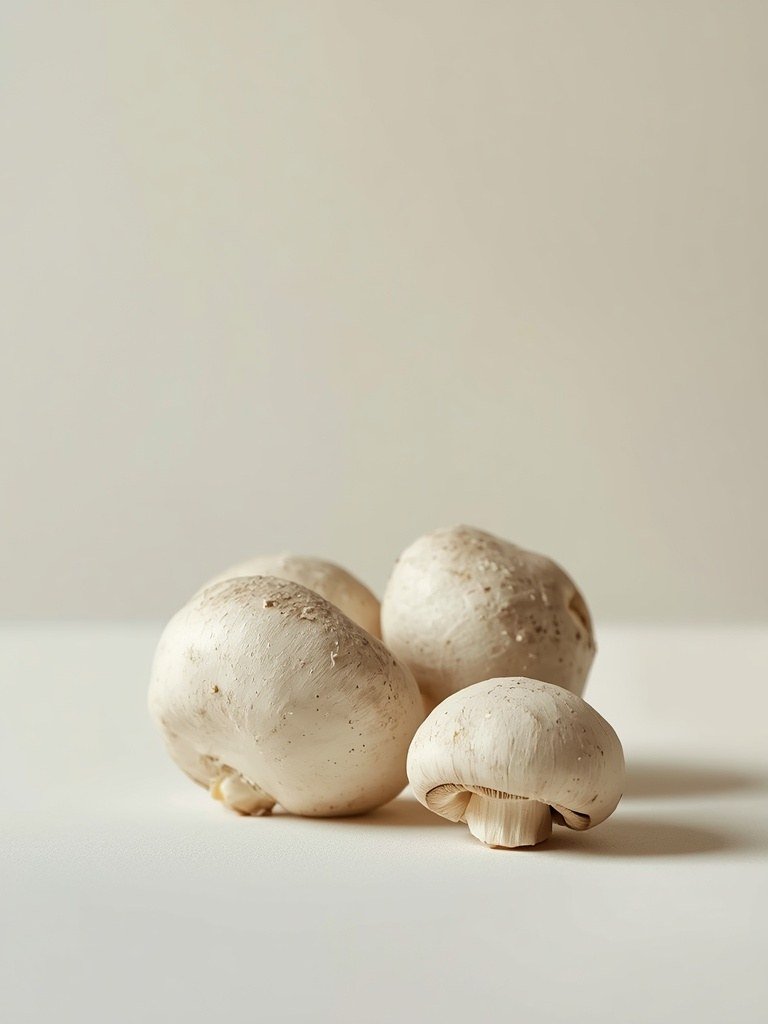
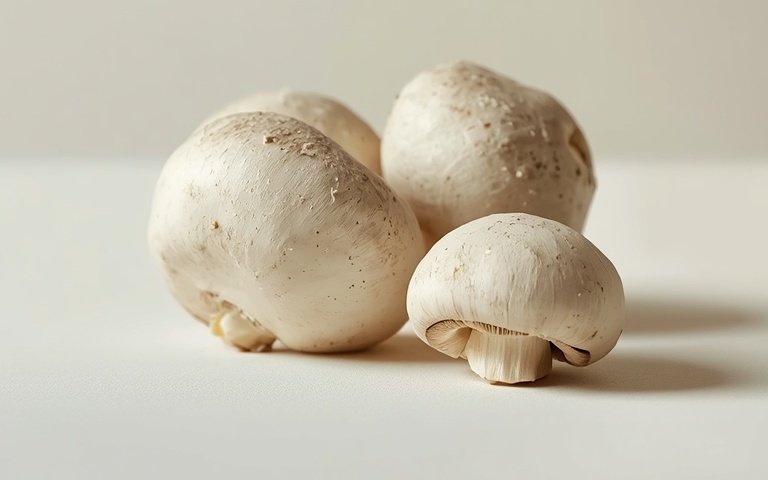
Table of Contents 3
Medical & Editorial Disclaimer (§3 Terms): This article is for informational and educational purposes only, does not constitute medical advice, diagnosis, or treatment, and is used at your own risk. Consult a qualified physician for medical conditions.
The physiological benefits of these mushrooms stem from their rich content of functional metabolites, including powerful antioxidants that protect cellular integrity and beta-glucans that help modulate immune responses. However, because their cell walls are composed of chitin, which resists enzymatic breakdown in the human gut, thorough thermal processing is required to unlock their nutritional potential and ensure they are well-tolerated by the gastrointestinal system.
To maximize the health benefits and digestive ease, it is recommended to cook mushrooms thoroughly through methods such as steaming, braising, or sautéing. Pairing them with digestive-friendly herbs can further enhance comfort during digestion. As a low-calorie, nutrient-rich whole food, they serve as an excellent addition to a balanced diet, providing vital support for energy metabolism and immune health without adding unnecessary heaviness to your daily intake.
White button mushrooms (Agaricus bisporus) are the world's most widely cultivated edible fungi, combining rich nutritional attributes with culinary versatility. They provide highly bioavailable proteins, B-complex vitamins, selenium, and bioactive beta-glucans. Due to structural fungal chitin in their cell walls, thorough culinary thermal processing is required to optimize gastrointestinal tolerability.
Nutritional and Trace Mineral Profile of Cultivated Button Mushrooms
Fresh button mushrooms consist of over 90% water, offering an exceptionally modest caloric density of approximately 22 kcal per 100 grams. Their dry matter provides around 3 g of protein rich in essential amino acids alongside negligible dietary fat (0.3 g/100 g). Mushrooms serve as a standout whole-food source of organic selenium (supplying up to 15% of the RDA per 100 g), copper, potassium, and phosphorus. They are also packed with B vitamins—notably riboflavin (B2), niacin (B3), and pantothenic acid (B5)—crucial for cellular cellular energy pathways.
Bioactive Polysaccharides, Ergothioneine, and Immunomodulatory Effects
Button mushrooms supply unique functional metabolites, including ergothioneine—a potent intracellular antioxidant amino acid that specifically shields mitochondrial structures from oxidative decay. Cell-wall fungal beta-glucans stimulate peripheral macrophage activity and Natural Killer (NK) cell responsiveness, fortifying innate immunity. Furthermore, experimental and clinical studies indicate that mushroom extracts can downregulate aromatase activity, an enzyme mediating estrogen biosynthesis, suggesting potential protective roles in hormone-sensitive breast neoplasia.
Chitin Digestibility, Culinary Preparation, and Digestive Tolerance
The structural cell walls of button mushrooms are composed of chitin—an insoluble nitrogenous polysaccharide that resists human gastric enzymatic breakdown. Consequently, ingesting raw mushrooms in substantial volumes can induce gastrointestinal heaviness and bloating, particularly in children and individuals with sensitive digestion. To maximize digestive comfort and nutrient release, mushrooms should undergo thorough thermal cooking (braising, steaming, or brief sautéing) paired with carminative herbs such as thyme, marjoram, cumin, or savory.
Want to apply these guidelines in your daily diet?
Our smart diet generator creates a tailored meal plan in 3 minutes based on the recommendations in this article.
Tags

Anna Schmidt
• 23.10.2026Diets Premium Expert
Diets Premium team expert. Specializes in nutrition plans, strength sports, and training plans.