Emmer wheat – unique nutritional properties and uses of flour and bran in modern diets


Table of Contents 5
Medical & Editorial Disclaimer (§3 Terms): This article is for informational and educational purposes only, does not constitute medical advice, diagnosis, or treatment, and is used at your own risk. Consult a qualified physician for medical conditions.
Nutritionally, emmer delivers superior concentrations of high-quality plant proteins, essential minerals like magnesium and iron, and potent antioxidant carotenoids such as lutein, which safeguards cellular integrity against oxidative stress. Its distinct molecular architecture features a gentler protein matrix compared to modern industrial wheat, facilitating smoother digestive processes for many individuals seeking alternatives. Furthermore, abundant dietary fiber fractions naturally foster balanced digestion and sustained satiety.
Incorporating emmer derivatives into daily meals offers remarkable versatility, from crafting artisanal sourdough breads and rustic pastries to simmering whole grains into hearty, nutrient-dense main dishes. When sourcing these products, consumers benefit from selecting certified organic, stone-milled flours that preserve delicate lipids and vital micronutrients from industrial heat degradation. Embracing this wholesome grain is a practical, flavorful step toward elevating your everyday nutritional wellness.
This article is professional premium content (PRO) provided in its entirety.
Emmer wheat (Triticum dicoccum), an ancient hulled grain, ranks among the ancestral progenitors of modern cultivated wheat. Revered since Neolithic and biblical eras, it is currently experiencing a prominent revival within nutritional science. Protected by robust outer glumes that safeguard the kernel against external pollutants, emmer delivers superior concentrations of high-quality plant proteins, magnesium, iron, zinc, and potent antioxidant carotenoids like lutein.
Emmer wheat – ancient cereal lineage and historical significance
Alongside einkorn and spelt, emmer forms the ancestral foundation of domesticated cereal agriculture, cultivated in the Fertile Crescent since 9000 BCE. Unlike modern hybridized wheat bred exclusively for commercial yield and industrial elasticity, emmer maintains its wild genetic purity. It boasts an earthy, nutty flavor, a distinct amber hue, and natural agronomic resilience against pests and fungal infections, making it an extraordinary centerpiece for organic farming.
Nutritional characteristics and therapeutic virtues of emmer
Emmer is distinguished by a higher protein concentration (approximately 14–16%) than modern wheat, enriched with essential amino acids. It supplies abundant essential minerals: magnesium, zinc, iron, phosphorus, and B-complex vitamins. Notably, emmer concentrates remarkable levels of lutein—a powerful dietary carotenoid that protects retinal tissues and macular integrity against oxidative degradation. Abundant soluble and insoluble fiber fractions normalize bowel motility and cultivate beneficial intestinal microbiota.
Emmer flour, bran, and groats in culinary preparation
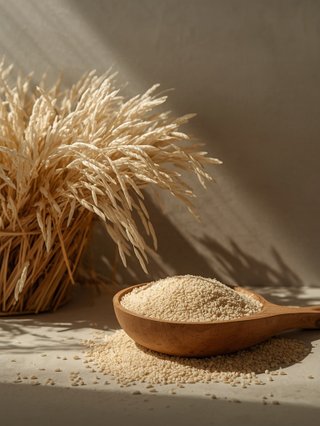
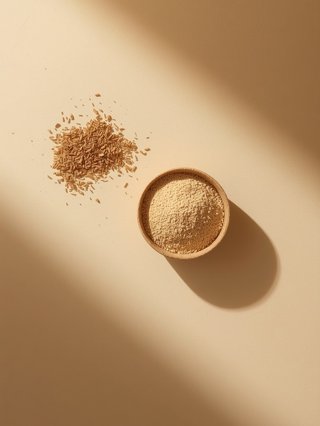
Emmer derivatives bring culinary depth to whole-food gastronomy. Emmer flour produces exceptional sourdough bread featuring a crisp crust, fine crumb, and deeply satisfying nutty notes. It excels in artisan pasta production, pancakes, and rustic pastry doughs. Emmer bran offers an effortless way to augment dietary fiber in yogurts and morning porridge, while whole emmer grains simmered slowly create exquisite 'farrotto' dishes that replace traditional arborio rice with superior nutritional density.
Emmer wheat and gluten – digestibility and physiological tolerance
Emmer is an inherently gluten-containing grain; consequently, individuals diagnosed with celiac disease or severe wheat allergy must avoid it strictly. Nevertheless, the molecular architecture of emmer gluten differs meaningfully from that of modern commercial wheat. It displays a gentler gliadin-to-glutenin ratio, forming a less rigid gluten matrix that is more accessible to gastric proteolysis. Consequently, many individuals with non-celiac wheat sensitivity (NCWS) report superior gastrointestinal tolerance when consuming artisan, long-fermented emmer sourdough breads.
Pricing, sourcing channels, and product quality indicators
Due to moderate agronomic yields and the rigorous mechanical dehulling process required, authentic emmer products carry a modest price premium over commercial wheat flour. Consumers should seek certified organic emmer flour stone-milled at low temperatures. Traditional stone milling protects the nutrient-dense cereal germ and fragile lipids from heat-induced oxidation, ensuring that vitamins, enzymes, and delicate aromatics remain fully preserved for optimal human vitality.
Want to apply these guidelines in your daily diet?
Our smart diet generator creates a tailored meal plan in 3 minutes based on the recommendations in this article.
Tags

Julia Wójcik
• 23.10.2026Diets Premium Expert
Diets Premium team expert. Specializes in nutrition plans, strength sports, and training plans.