Wild rice: properties, prices, and recipes. Which rice is the healthiest?
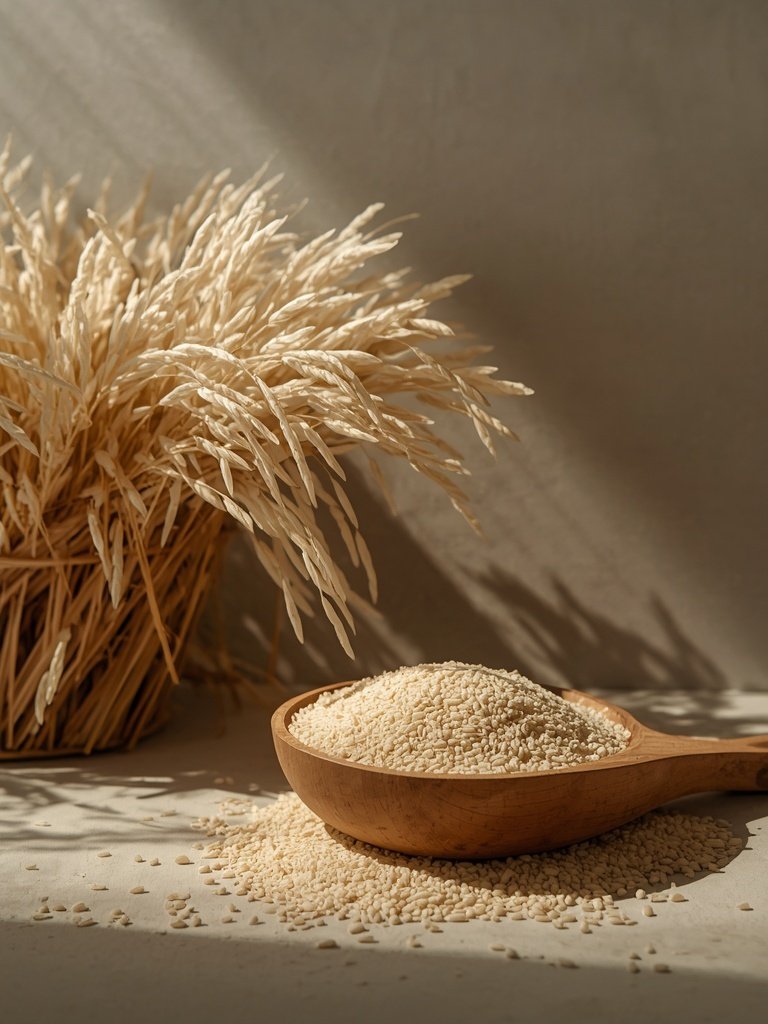
Table of Contents 5
Medical & Editorial Disclaimer (§3 Terms): This article is for informational and educational purposes only, does not constitute medical advice, diagnosis, or treatment, and is used at your own risk. Consult a qualified physician for medical conditions.
The physiological chapters explore how wild rice nourishes the body through an abundance of B-complex vitamins, which are vital for supporting normal energy-yielding metabolism and nervous system function. Additionally, the grain provides essential trace elements like zinc and copper that contribute to immune defense and cellular protection. The discussion also compares different rice varieties, noting that while wild rice excels in fiber content, conventional white rice may be more suitable during temporary gastrointestinal discomfort due to its high digestibility and gentle nature.
Practical guidance focuses on creative culinary applications, such as blending wild rice with classic white rice, fresh herbs, citrus juice, and cold-pressed plant oils to craft flavorful, balanced dishes. Cooking the varieties separately ensures an optimal texture for every component of the meal. Readers are encouraged to approach nutrition with mindfulness, tailoring their food choices to personal wellness goals and consulting qualified professionals for tailored dietary advice.
This article is professional premium content (PRO) provided in its entirety.
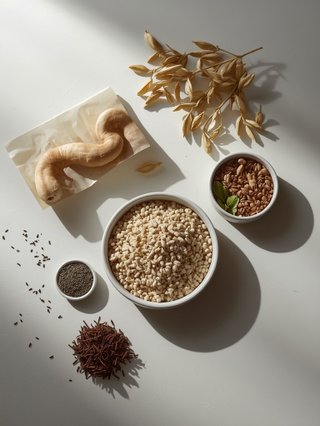
Wild rice certainly stands out among the other varieties... An interesting fact is that it actually does not belong to the same group as other rice... However, it certainly deserves attention, at least because of its content of dietary fiber, vitamins of the B group or its unusual taste.
Wild rice (Zizania aquatica) – botanical profile and nutritional benefits
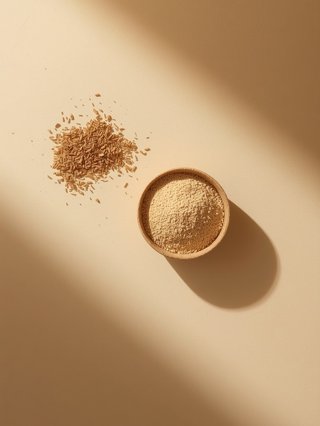
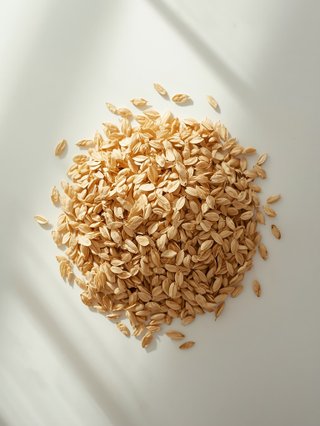
From a taxonomic perspective, wild rice—scientifically designated as *Zizania aquatica* and colloquially referred to as "water oat"—constitutes a distinct species within the grass family (*Poaceae*), bearing no close phylogenetic relation to cultivated rice varieties (*Oryza sativa*). Its native habitat comprises the marshy wetlands of North America, where it has been traditionally harvested by Indigenous communities from naturally occurring stands, thereby justifying its common appellation. Distinguished by a robust, nutty-cereal flavor profile and a unique al dente texture, it serves as a versatile culinary ingredient. Moreover, it is notably rich in essential trace minerals, B-complex vitamins, and plant-based protein, positioning it as a nutritionally dense functional food within balanced dietary frameworks [1,5].
Wild rice: Comprehensive nutritional properties and health benefits
Wild rice represents a valuable source of B-complex vitamins, which play a pivotal role in metabolic regulation, nervous system function, and the maintenance of muscle and cardiac activity [6, 9]. Additionally, this grain is distinguished by its high content of trace elements, including zinc—essential for enzymatic activity, immune defense, and protein synthesis—and copper, which participates in melanin production, supports neuronal function, and is a constituent of numerous enzymes. The presence of magnesium in wild rice facilitates protein biosynthesis, neural conduction, and blood pressure regulation [6, 9]. Its characteristic dark pigmentation stems from a high concentration of anthocyanins—compounds with well-documented potent antioxidant properties that may contribute to reducing the risk of certain cancers [1].
Wild rice pricing: a comparative cost analysis across international markets
The cost of wild rice substantially exceeds that of conventional rice varieties, with market prices ranging from sixty to one hundred Polish złoty per kilogram of the final product. In stark contrast, standard long-grain white rice is available for as little as three to five złoty per kilogram. It is important to note that wild rice sourced from its native habitats in North America commands a significantly higher price than imports from Italy or Thailand—despite sharing a similar color, the latter does not possess the distinctive characteristics of authentic wild rice. Given the substantial price volatility, which can fluctuate by as much as 74% depending on the region of origin, consumers are strongly advised to verify current market rates prior to purchase to avoid overpaying [7, 8].
Which variety of rice offers the greatest health benefits? A comparative nutritional assessment
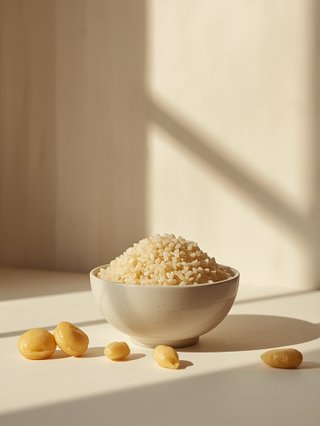
Determining which rice variety is the healthiest is not straightforward, as nutritional optimality depends heavily on individual health conditions and dietary requirements. In cases of acute gastrointestinal distress—such as severe diarrhea—white rice emerges as the most suitable option due to its high digestibility and ability to provide readily available calories while minimizing fiber intake. This variety also helps reduce bowel movement frequency and stool fluidity. Notably, white rice contains more selenium than wild rice. However, for individuals with diabetes, its high glycemic index may trigger significant blood sugar fluctuations, making minimally processed, fiber-rich alternatives like wild rice a preferable choice. It is important to note that the phytic acid present in wild rice can temporarily inhibit the absorption of iron, zinc, and calcium from other foods consumed in the same meal—though this effect is not permanent and can be mitigated through dietary diversification. For those with celiac disease, incorporating a variety of rice types can help compensate for nutritional gaps. Wild rice stands out for its exceptional anthocyanin content (31.3 mg/100 g dry weight), double the protein content of brown rice, the highest fiber concentration among all varieties, and elevated levels of copper and zinc—micronutrients critical for metabolic function. Its low sodium content further enhances its suitability for individuals with sodium sensitivity or hypertension. From a vitamin perspective, wild rice surpasses other varieties as the richest source of thiamine and niacin [1,4].
Wild rice – culinary inspirations and nutritious recipes featuring this distinctive grain
Recipe for a fragrant herbal rice blend (single serving)
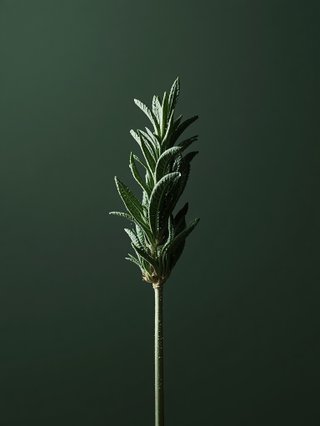
**Ingredients:** • 50 grams of dried wild rice • 50 grams of long-grain white rice • 5 grams of finely chopped chives • 5 grams of freshly minced flat-leaf parsley • 20 milliliters of freshly squeezed lemon juice • 5 milliliters of cold-pressed rapeseed oil
**Seasonings:** • sea salt or Himalayan pink salt to taste • freshly ground black pepper • dried lovage powder
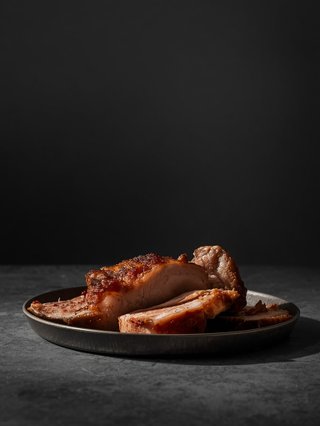
**Preparation method:** Cook the wild rice and white rice separately according to the package instructions until tender yet firm. Once both varieties are prepared, gently combine them in a mixing bowl. Incorporate the chopped herbs, then drizzle with a pre-made dressing consisting of rapeseed oil, lemon juice, salt, pepper, and lovage. This versatile dish may be served chilled as a standalone salad or paired with meat or fish as part of a balanced lunch.
Recipe for a Mediterranean-style wild rice salad (two servings)
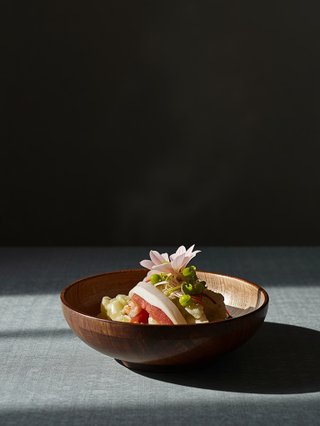
**Ingredients:** • 100 grams of cooked wild rice • 60 grams of thinly sliced red onion • 115 grams of ripe beefsteak tomato, diced • 5 whole walnuts, lightly toasted in a dry skillet • 50 grams of feta cheese, cut into small cubes • 200 grams of drained canned chickpeas • 15 milliliters of extra-virgin olive oil • 10 milliliters of freshly squeezed lemon juice • 2.5 milliliters of unfiltered apple cider vinegar • 2.5 grams of dried herbs de Provence
**Preparation instructions:** In a wide serving bowl, thoroughly combine all prepared components: the finely diced onion, cooled rice, crisp walnuts, cubed feta, and drained chickpeas. Dress the mixture with a vinaigrette made by whisking together olive oil, lemon juice, apple cider vinegar, and herbs de Provence. For optimal flavor development, serve the salad well-chilled to accentuate its refreshing profile.
Want to apply these guidelines in your daily diet?
Our smart diet generator creates a tailored meal plan in 3 minutes based on the recommendations in this article.

mgr Mateusz Pawlak
• 23.10.2026Diets Premium Expert
Diets Premium team expert. Specializes in nutrition plans, strength sports, and training plans.