Intestinal parasitic diseases (pinworm, roundworm, tapeworm) – symptoms, routes of infection, and prevention
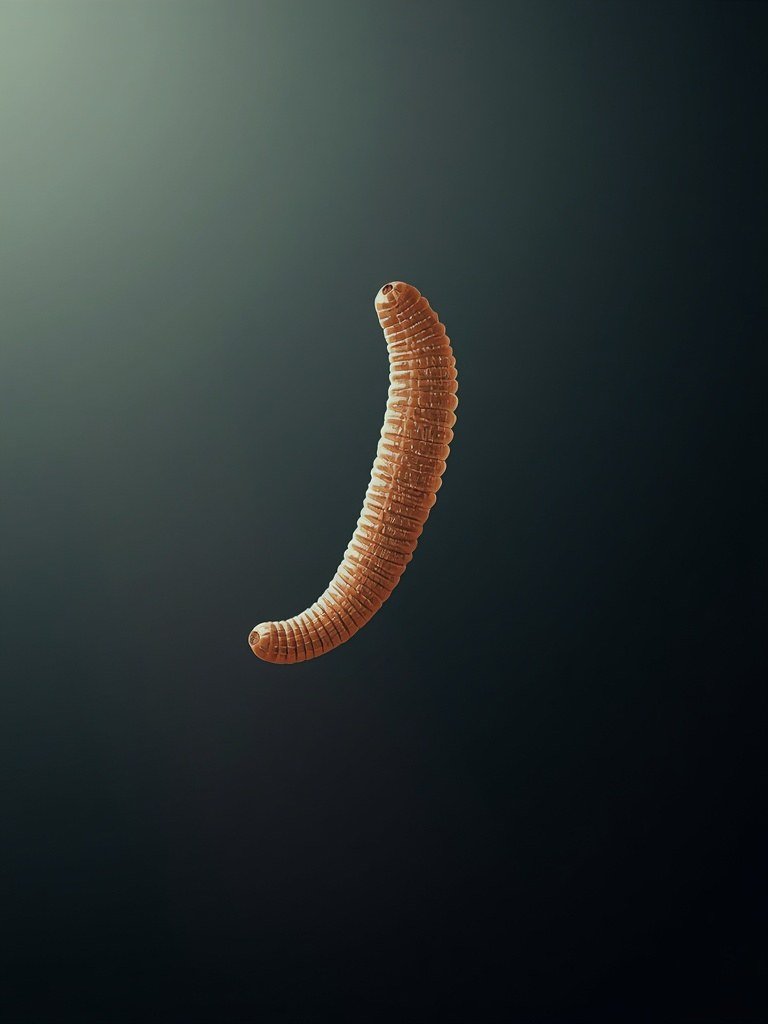
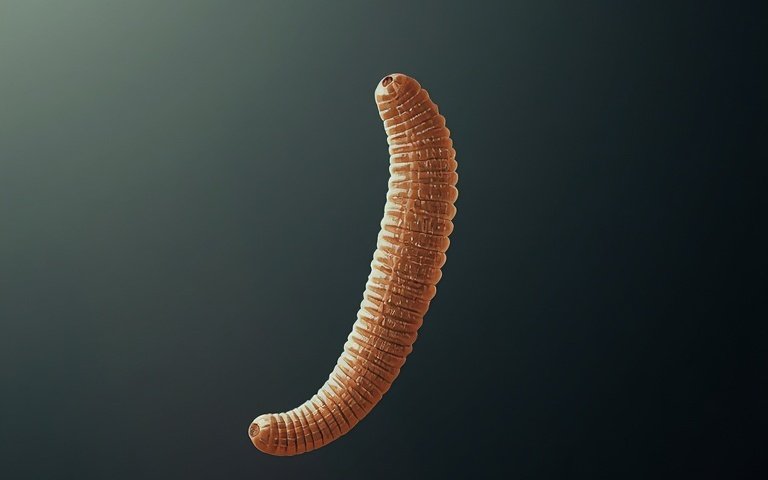
Table of Contents 3
Medical & Editorial Disclaimer (§3 Terms): This article is for informational and educational purposes only, does not constitute medical advice, diagnosis, or treatment, and is used at your own risk. Consult a qualified physician for medical conditions.
Across its chapters, the article examines the biological life cycles and clinical profiles of the most common human helminth infections. Enterobiasis is driven by a small thread-like nematode inhabiting the cecum, appendix, and ascending colon, spreading readily via the fecal-oral route among children and household contacts in temperate regions. Ascariasis involves a larger soil-transmitted roundworm acquired by ingesting microscopic eggs on unwashed produce or contaminated soil, leading to larval migration before adult worms settle in the small intestine. Meanwhile, taeniasis and related flatworm infections stem from ribbon-like cestodes equipped with specialized attachment organs, typically contracted by consuming raw or undercooked meat such as beef tartare.
Translating this parasitological knowledge into daily nutrition and lifestyle habits provides practical protection for the entire household. Thoroughly washing raw fruits and vegetables, practicing consistent hand hygiene, and ensuring that beef and other animal products are properly cooked serve as foundational safeguards against foodborne and soil-transmitted parasites. Whenever persistent gastrointestinal symptoms, unexplained nutritional deficiencies, or restful sleep disruptions arise, seeking professional medical evaluation ensures accurate laboratory diagnosis and appropriate clinical management.
This article is professional premium content (PRO) provided in its entirety.
Gastrointestinal parasitic infections remain a widespread clinical challenge in pediatrics and internal medicine, despite frequently being overlooked in public discourse due to social stigma. Infestations by intestinal nematodes and cestodes often progress insidiously for months, manifesting with non-specific systemic symptoms—ranging from chronic fatigue, iron-deficiency or megaloblastic anemia, and malabsorption to abdominal pain, sleep disturbances, and allergic reactions. Explore the parasitology, clinical symptomatology, and hygiene prevention of the three most prevalent helminth infections: enterobiasis, ascariasis, and taeniasis.
Enterobiasis (Pinworm Infection) – Transmission and Clinical Symptoms
Enterobiasis (pinworm infection) is the most prevalent helminthic infection in temperate climates, caused by the human pinworm (Enterobius vermicularis)—a small, thread-like nematode that exclusively inhabits the lumen of the human cecum, appendix, and ascending colon. Adult females measure 8 to 12 mm in length, whereas males reach only 2 to 5 mm. Prevalence peaks among children aged 3 to 15 years and their household contacts or caregivers. Transmission occurs via the fecal-oral route through ingestion or inhalation of microscopic infective eggs carried under fingernails, on unwashed hands, bed linens, towels, toys, and household dust, making autoinfection and family reinfection exceedingly common.
The hallmark clinical presentation stems directly from the parasite's nocturnal reproductive behavior: at night, gravid females migrate out through the anal canal onto the perianal skin to deposit up to 10,000 sticky, irritating eggs. Key clinical manifestations include:
- Intense nocturnal perianal and perineal pruritus (itching), precipitating restless sleep, insomnia, and secondary bacterial excoriations from scratching.
- Neurobehavioral and gastrointestinal symptoms in children: irritability, hyperactivity or daytime fatigue, impaired concentration, nocturnal bruxism (teeth grinding), loss of appetite, and mild periumbilical discomfort.
- Ectopic migration in young females: occasional migration into the vulvovaginal tract causing vulvovaginitis. Eradication requires simultaneous anthelmintic therapy (e.g., pyrantel pamoate, mebendazole, or albendazole) for all household members alongside strict morning bathing and hot-water laundering of bedding.
Ascariasis – Larval Pulmonary Migration and Intestinal Roundworm Infection
Ascariasis is caused by the giant intestinal roundworm (Ascaris lumbricoides)—a large, pinkish-white soil-transmitted nematode whose adult stage parasitizes the human small intestine. Adult females measure 20 to 40 cm in length, while males reach 15 to 20 cm. Infection is acquired via the fecal-oral route by ingesting embryonated eggs present on unwashed raw vegetables or fruits (especially crops grown in soil fertilized with untreated manure) or from contaminated soil and water.
Unlike pinworms, Ascaris lumbricoides undergoes a complex hepatopulmonary larval migration phase: after hatching in the duodenum, larvae penetrate the intestinal mucosa, enter the portal venous and lymphatic circulation, and travel via the liver and right heart into the pulmonary alveoli. This pulmonary stage triggers eosinophilic pneumonitis (Löffler's syndrome), characterized by dry paroxysmal cough, wheezing, dyspnea, low-grade fever, and urticaria. Subsequently, larvae ascend the bronchial tree to the pharynx, are swallowed, and mature in the jejunum. The resulting intestinal phase causes colicky abdominal pain, nausea, malabsorption of protein and vitamin A, and—in heavy worm burdens—mechanical bowel or biliary tract obstruction.
Taeniasis, Diphyllobothriasis, and Echinococcosis – Tapeworm Species and Food Safety
Taeniasis and related cestode infections are caused by parasitic flatworms of the class Cestoda, whose ribbon-like bodies comprise an attachment organ (scolex with suckers or hooks), a proliferative neck, and a segmented chain of proglottids. The four most clinically significant tapeworm species affecting humans exhibit striking differences in size, transmission, and pathology:
- Beef tapeworm (Taenia saginata, 4 to 10 m long): Acquired by consuming raw or undercooked beef (e.g., steak tartare) harboring viable cysticercus larvae; causes abdominal discomfort, weight loss, and active passage of motile proglottids.
- Pork tapeworm (Taenia solium, 2 to 4 m long): Transmitted via undercooked pork containing cysticerci; crucially, accidental fecal-oral ingestion of T. solium eggs causes human cysticercosis (neurocysticercosis), where larval cysts encyst in the brain, skeletal muscle, and eyes.
- Broad fish tapeworm (Diphyllobothrium latum, reaching up to 15–20 m): The longest human tapeworm, contracted by eating raw, marinated, or cold-smoked freshwater or anadromous fish (such as pike, perch, or salmon); it avidly sequesters dietary cobalamin in the ileum, precipitating vitamin B12 deficiency and megaloblastic anemia.
- Hydatid tapeworms (Echinococcus granulosus and E. multilocularis, only 3 to 7 mm long): Tiny cestodes of canines and foxes whose eggs—ingested via unwashed wild forest berries or contact with infected animals—cause echinococcosis, forming slow-growing, space-occupying hydatid cysts in the liver, lungs, and brain that mimic invasive malignancy.
Effective prevention hinges on veterinary meat inspection, thorough cooking of meat and fish to internal temperatures above 65–70°C (or deep-freezing at -20°C for at least 7 days), and meticulous washing of fresh produce and wild berries.
Want to apply these guidelines in your daily diet?
Our smart diet generator creates a tailored meal plan in 3 minutes based on the recommendations in this article.

mgr Mateusz Pawlak
• 25.11.2026Diets Premium Expert
Diets Premium team expert. Specializes in nutrition plans, strength sports, and training plans.