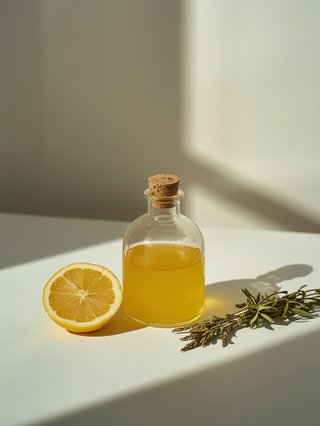
Diuretic Plants: Medicinal Properties of Natural Diuretics


Table of Contents 4
Medical & Editorial Disclaimer (§3 Terms): This article is for informational and educational purposes only, does not constitute medical advice, diagnosis, or treatment, and is used at your own risk. Consult a qualified physician for medical conditions.
Unlike pharmaceutical options, traditional botanical aquaretics—including stinging nettle, horsetail, dandelion, and birch—promote fluid clearance through distinct physiological pathways. They enhance renal blood flow and foster a mechanical flushing effect that helps clear the urinary tract. Crucially, many of these plants contain inherent mineral compounds, such as potassium, which naturally replenish lost electrolytes and prevent the depletion often associated with fluid management, while plant flavonoids help stabilize vascular integrity.
To ensure safe and practical application, using diuretic botanical infusions strictly requires adequate daily fluid intake to prevent renal stress and dehydration. Individuals with severe cardiovascular or end-stage kidney conditions should always seek professional medical guidance before starting phytotherapeutic regimens. When integrated thoughtfully alongside proper hydration, these powerful herbs serve as an effective, evidence-based approach to promoting fluid balance and overall metabolic harmony.
Diuretic herbs (botanical aquaretics and saluretics) represent an essential cornerstone of clinical phytotherapy for the urinary, cardiovascular, and metabolic systems. They enhance glomerular filtration, facilitate excretion of metabolic waste and interstitial fluid retention, and help maintain critical electrolyte equilibrium.
Mechanism of Action of Natural Diuretic Plants
Phytotherapy distinguishes between saluretic agents (which force sodium and chloride elimination) and true aquaretics (which elevate urinary water clearance without depleting essential electrolytes).
- Renal hemodynamics: Botanical flavonoids and volatile terpenes induce mild renal vasodilation, augmenting renal plasma flow and glomerular filtration rate (GFR).
- Mechanical urinary flushing: Increased urine flow mechanically washes away adhering uropathogens (such as uropathogenic E. coli) and impedes urinary supersaturation and calculogenesis.
- Spasmolytic and antiphlogistic actions: Phytocompounds relax ureteral and bladder smooth muscle, soothing dysuria and mucosal pelvic irritation.
This physiological aquaretic action ensures high tolerability in supportive urinary tract therapies.
Overview of the Most Effective Diuretic Herbs (Nettle, Horsetail, Dandelion, Birch)
European clinical phytotherapy relies on a core group of thoroughly researched botanical diuretic monographs.
- Stinging nettle leaf (Urtica dioica): Packed with caffeic acid derivatives, flavonoids, and minerals. Enhances urinary output, supports benign prostatic hyperplasia management, and detoxifies urea.
- Horsetail herb (Equisetum arvense): Rich in bioavailable soluble silica and equisetonin. Delivers dual benefits of vascular stabilization and gentle non-irritating diuresis.
- Dandelion leaf and root (Taraxacum officinale): A premier aquaretic boasting exceptionally high potassium levels, thereby intrinsically preventing hypokalemia during fluid reduction regimens.
- Silver birch leaf (Betula pendula): Loaded with hyperoside, quercetin, and betulinic derivatives; historically prized for flushing therapies in nephrolithiasis and hyperuricemia.
These botanical species can be brewed individually or combined into potent herbal infusions.
Electrolyte Balance and Potassium Preservation in Phytotherapy
The foremost clinical risk associated with pharmaceutical diuretics (such as loop and thiazide diuretics) is the dangerous depletion of essential electrolytes, notably potassium and magnesium, predisposing patients to cardiac arrhythmias and muscle cramps.
- Intrinsic potassium replenishment: Botanicals like Taraxacum officinale deliver high endogenous potassium concentrations (exceeding 4% dry weight), balancing urinary losses.
- Management of fluid retention: In mild dependent edema, botanical aquaretics stimulate lymphatic return without acutely triggering the renin-angiotensin-aldosterone system (RAAS).
- Uricosuric support in gout: Several diuretic herbs facilitate renal uric acid clearance, curbing serum hyperuricemia and preventing gout flare-ups.
Herbal aquaretics maintain whole-body mineral equilibrium while gently relieving fluid congestion.
Indications, Contraindications, and Safe Use of Diuretic Infusions
Conducting safe and efficacious botanical diuretic therapies requires clinical mindfulness regarding cardiorenal status.
- The golden hydration rule: Effective aquaretic therapy strictly demands adequate fluid intake of 2.0 to 2.5 liters daily. Attempting to flush the urinary tract without abundant water intake risks renal irritation and systemic dehydration.
- Absolute contraindications: Severe peripheral edema originating from advanced congestive heart failure or end-stage renal disease (where fluid intake must be clinically restricted).
- Cycle duration: Diuretic phytotherapies are best implemented in cyclical periods of 2 to 4 weeks, followed by rest intervals to prevent renal adaptation.
When integrated responsibly, diuretic botanicals provide an invaluable, natural aid for systemic fluid regulation.
Want to apply these guidelines in your daily diet?
Our smart diet generator creates a tailored meal plan in 3 minutes based on the recommendations in this article.

mgr Tim Klein
• 25.11.2026Diets Premium Expert
Diets Premium team expert. Specializes in nutrition plans, strength sports, and training plans.