Common marigold – medicinal properties and traditional preparations: honey (syrup), infusions, tinctures, and wines from medicinal marigold
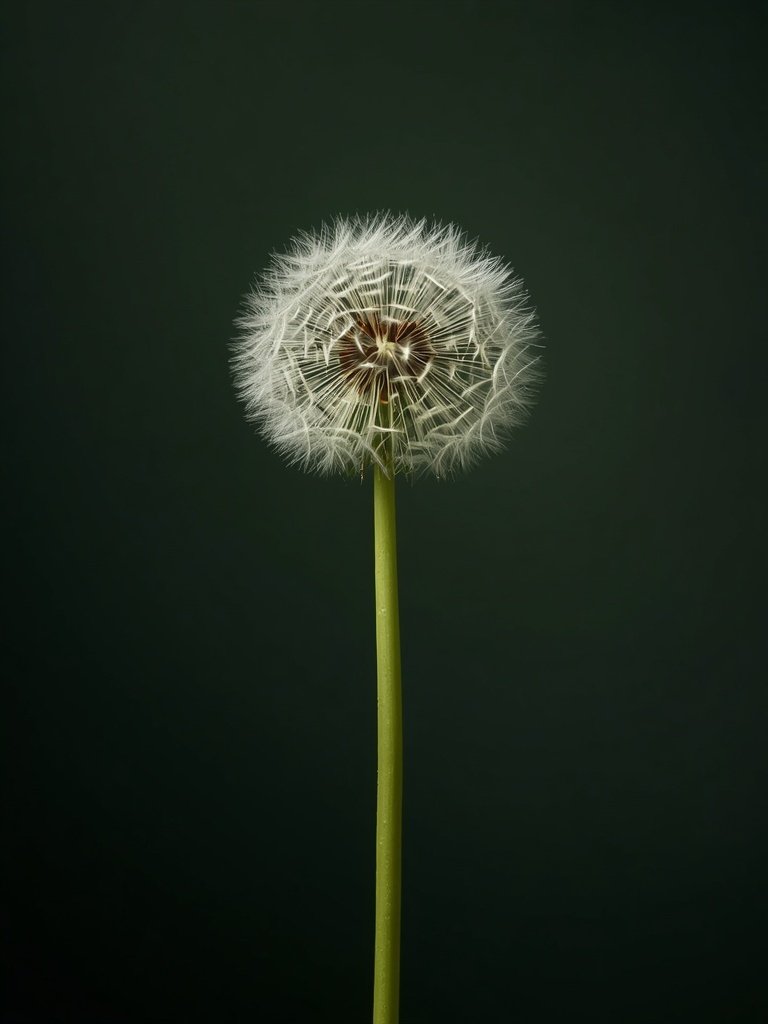
Table of Contents 5
Medical & Editorial Disclaimer (§3 Terms): This article is for informational and educational purposes only, does not constitute medical advice, diagnosis, or treatment, and is used at your own risk. Consult a qualified physician for medical conditions.
The health-promoting efficacy of dandelion is distinctly rooted in the specific phytochemical profile of its individual anatomical components. The golden inflorescences are abundantly packed with carotenoids like lutein, protective botanical mucilages, and polyphenolic flavonoids, which offer soothing demulcent properties for respiratory comfort. Conversely, the sturdy taproots are rich in bitter sesquiterpene lactones, prebiotics like inulin, and phytosterols that vigorously stimulate bile secretion, enhance digestive clarity, and support hepatic clearance. Hydroethanolic extraction and gentle decoctions allow these diverse fat- and water-soluble compounds to be effectively captured for daily vitality.
Integrating dandelion preparations into everyday lifestyle routines offers a practical, nature-based approach to metabolic and digestive balance. Artisanal flower syrup serves as a comforting home remedy for throat irritation, while root decoctions consumed prior to meals gently encourage optimal liver function and enzyme production. Leaf infusions act as a mild diuretic, assisting the body in natural fluid regulation without depleting essential minerals. While these herbal formulations are intended to support overall health rather than treat clinical conditions, they remain a foundational element of traditional botanical wellness.
Common dandelion (Taraxacum officinale) holds a venerable position in European folk medicine and domestic phytotherapy. Historically, herbalists harvested its golden capitula, bitter roots, and vibrant spring leaves to craft restorative seasonal formulations for respiratory complaints, hepatic stasis, and metabolic cleansing. This comprehensive practical guide provides verified traditional recipes for dandelion flower syrup ("dandelion honey"), therapeutic decoctions, flower tinctures, and artisanal botanical wine.
Therapeutic Properties of Dandelion Inflorescences and Roots
The pharmacological efficacy of dandelion varies meaningfully across anatomical plant tissues:
- Dandelion Inflorescences (Flowers): Rich in carotenoids (lutein), protective mucilages, and polyphenolic flavonoids, delivering gentle antitussive, demulcent, and immune-supporting benefits during respiratory catarrh;
- Dandelion Taproots: Packed with bitter sesquiterpene lactones, up to 40% inulin, and phytosterols that vigorously stimulate bile production, enhance hepatic detoxification, and modulate postprandial glucose uptake;
- Dandelion Foliage (Leaves): Exerts potent aquaretic and saluretic actions, relieving fluid retention safely due to abundant native potassium content.
Dandelion Honey (Flower Syrup): Recipe and Medicinal Applications
Traditional "dandelion honey" is an artisanal herbal syrup prized across central Europe for relieving persistent coughs, pharyngitis, and bronchial irritation.
Authentic Formula:
- 400–500 fully opened flower heads (gathered around midday in clean meadows away from traffic)
- 1 liter fresh water
- 1 kg raw sugar or cane sugar
- Juice and zest of 2 organic lemons
Method: Spread blossoms on white paper for 30 minutes to allow insects to depart (avoid washing to retain medicinal pollen). Trim away bitter green involucres. Simmer yellow petals and sliced lemons in 1 liter of water for 15 minutes. Allow to steep for 24 hours. Strain through fine cheesecloth, whisk in sugar, and gently reduce over low heat for 1.5 to 2 hours until amber and honey-thick. Seal in sterilized jars.
Dandelion Infusions and Teas: Digestive and Immunological Uses
Dandelion infusions constitute an effective everyday method for stimulating digestive secretions, accelerating hepatic clearance, and reducing edema.
Decoction 1: Root Decoction for Hepatobiliary Function
Simmer 1 tablespoon of dried cut dandelion root in 250 ml of water for 5–7 minutes, steep covered for 10 minutes, and strain. Ingest 1/2 cup 20 minutes prior to meals two to three times daily.
Infusion 2: Leaf and Blossom Tea for Diuresis
Steep 1 tablespoon of dried dandelion leaves and blossoms in 250 ml of boiling water for 15 minutes. Consume between meals to promote physiological renal filtration.
Therapeutic Dandelion Tincture: Extraction and Administration
Hydroethanolic maceration effectively extracts hydrophobic phytochemicals, including triterpenoids, phytosterols, and bitter lactones.
Formulation:
- 50 g fresh dandelion blossoms and 50 g freshly scrubbed, finely minced dandelion roots
- 500 ml of pure ethanol (40–50% ABV)
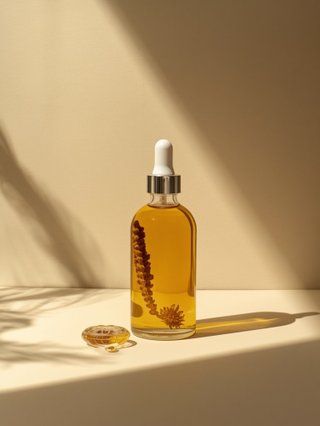
Preparation: Pack botanical materials into an amber glass jar, pour alcohol over the mixture ensuring total submersion, and seal hermetically. Macerate for 14–21 days in a cool, dark pantry, agitating daily. Filter through cheesecloth into amber dropper bottles.
Dosage: Take 20 to 30 drops diluted in a small splash of water twice daily prior to main meals to relieve functional dyspepsia and sluggish digestion.
Traditional Artisanal Dandelion Flower Wine
Dandelion wine is a historic botanical vintage celebrated across British and American folk traditions, immortalized in classic literature by Ray Bradbury.
Ingredients:
- 4 liters fresh yellow dandelion petals (carefully separated from bitter green involucres)
- 4 liters spring water
- 1 kg raw wildflower honey and 500 g cane sugar
- Juice and thinly pared zest of 2 organic oranges and 2 lemons
- Selected wine yeast and yeast nutrient
Procedure: Scald the petals with boiling water and steep for 48 hours. Strain through fine muslin, dissolve the honey, sugar, and citrus juices into the warm liquor. Cool to room temperature (22°C), pitch the prepared wine yeast, and transfer into a glass demijohn fitted with an airlock. Allow fermentation for 3 to 4 weeks. Siphon off the yeast lees and age in sealed bottles for at least 6 months to develop its delicate amber hue and floral honey aroma.
Want to apply these guidelines in your daily diet?
Our smart diet generator creates a tailored meal plan in 3 minutes based on the recommendations in this article.

Mia Hoffmann
• 25.11.2026Diets Premium Expert
Diets Premium team expert. Specializes in nutrition plans, strength sports, and training plans.