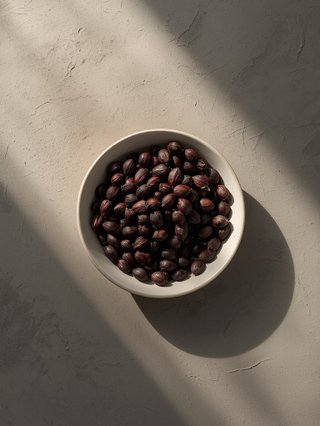
Licorice: medicinal properties, uses, drinks from the root – can it be used during pregnancy?


Table of Contents 4
Medical & Editorial Disclaimer (§3 Terms): This article is for informational and educational purposes only, does not constitute medical advice, diagnosis, or treatment, and is used at your own risk. Consult a qualified physician for medical conditions.
The physiological analysis highlights glycyrrhizin, a naturally sweet triterpenoid saponin, alongside prenylated flavonoids such as liquiritin, isoliquiritigenin, and glabridin. Together, these compounds may help support protective mucin synthesis in the gastrointestinal lining, offer antioxidant and soothing antispasmodic properties, and assist respiratory clearance by reducing bronchial mucus viscosity. Conversely, the article details how glycyrrhetinic acid, the active metabolite of glycyrrhizin, inhibits a crucial renal enzyme responsible for inactivating cortisol. This inhibition triggers apparent mineralocorticoid excess, clinically known as pseudohyperaldosteronism, which can precipitate sodium and fluid retention, severe potassium depletion, cardiac arrhythmias, and elevated blood pressure.
From a practical standpoint, consumers should treat licorice root infusions and extracts as pharmacologically active substances rather than simple everyday refreshments. Glycyrrhizin-containing products are strictly contraindicated during pregnancy, as evidence indicates they can compromise the placental barrier and increase the risk of preterm labor as well as neuroendocrine and cognitive challenges in offspring. Furthermore, individuals managing hypertension or taking loop and thiazide diuretics, digoxin, oral anticoagulants, or antihypertensive medications should avoid licorice root and consult a qualified healthcare professional before introducing herbal supplements into their routine.
The term "licorice" originates from the Greek words "glykys" (meaning "sweet") and "rhiza" (denoting "root"). Owing to its rich composition of bioactive compounds with well-documented health benefits, licorice root has been a prized botanical resource in traditional medicine across cultures for centuries, serving both preventive and therapeutic roles in a wide spectrum of ailments.
Phytochemical profile of licorice root: glycyrrhizin and bioactive flavonoids
The dried rhizome of licorice (Glycyrrhiza glabra) represents a cornerstone of classical phytotherapy. Its primary bioactive constituent is glycyrrhizin (glycyrrhizic acid)—a triterpenoid saponin approximately 50 times sweeter than sucrose.
Complementing glycyrrhizin are potent prenylated flavonoids (liquiritin, isoliquiritigenin, and glabridin) conferring distinct antimicrobial defense against Helicobacter pylori, smooth-muscle antispasmodic relief, and broad antioxidant capacity.
Therapeutic mechanisms: gastric mucosal protection and respiratory clearance
Licorice exerts versatile pharmacological actions across organ systems:
- Gastroduodenal Cytoprotection: Enhances protective mucin synthesis, prolongs epithelial cell lifespan, and accelerates peptic ulcer and erosive gastritis resolution.
- Respiratory Secretolytic and Expectorant Efficacy: Saponins reduce bronchial mucus viscosity and stimulate ciliary clearance, relieving dry, non-productive cough.
- Anti-inflammatory and Antiviral Properties: Suppresses cyclooxygenase-2 (COX-2) activity and limits viral transcription cycles.
Pseudohyperaldosteronism and severe hypertension risks
Glycyrrhetinic acid, the active metabolite of glycyrrhizin, potently inhibits renal 11-beta-hydroxysteroid dehydrogenase type 2 (11-beta-HSD2). Under normal physiology, 11-beta-HSD2 converts active cortisol into inactive cortisone.
Inhibition allows excessive cortisol to inappropriately saturate mineralocorticoid receptors, precipitating apparent mineralocorticoid excess (pseudohyperaldosteronism): renal sodium and water retention, severe hypokalemia, cardiac arrhythmias, and acute hypertension. Continuous therapy must not exceed 4–6 weeks, and hypertensive patients should utilize deglycyrrhizinated licorice (DGL).
Absolute contraindications: pregnancy, lactation, and pharmacology interactions
Glycyrrhizin-containing licorice is strictly contraindicated throughout pregnancy. Clinical cohorts demonstrate that glycyrrhizin compromises the placental barrier, precipitating preterm labor, fetal neuroendocrine disruption, and cognitive deficits (lower IQ, behavioral dysregulation) in offspring.
Furthermore, licorice dangerously potentiates loop and thiazide diuretics (aggravating hypokalemia), amplifies digoxin toxicity, and disrupts oral anticoagulants and antihypertensive drugs.
Want to apply these guidelines in your daily diet?
Our smart diet generator creates a tailored meal plan in 3 minutes based on the recommendations in this article.
Tags

Anna Schmidt
• 25.11.2026Diets Premium Expert
Diets Premium team expert. Specializes in nutrition plans, strength sports, and training plans.